Brain Tumors: Types, Treatments, and Brain Health
A brain tumor is an abnormal growth of cells within the brain or surrounding tissues. Tumors that start in the brain are called primary, while those that spread from cancers elsewhere in the body are metastatic or secondary. Both kinds can disrupt brain function, even when they are not cancerous.
Types
Primary tumors
- Meningioma: arises from the membranes covering the brain, usually benign and the most common primary brain tumor in adults
- Glioma: arises from glial cells, and includes astrocytoma, oligodendroglioma and glioblastoma, the most aggressive and common malignant tumor in adults
- Pituitary adenoma: usually benign tumors affecting hormone production
- Schwannoma: tumors of nerve sheath, such as acoustic neuroma
- Medulloblastoma and ependymoma: more common in children
- Primary CNS lymphoma
Metastatic tumors
Cancers from lung, breast, melanoma, kidney and colon commonly spread to the brain, and metastases are more frequent than primary tumors in adults.
Symptoms
Symptoms depend on location, size and growth rate:
- Headaches, often worse in the morning or when lying down
- Seizures, sometimes the first sign
- Weakness, numbness or difficulty walking
- Changes in vision, hearing or speech
- Personality, mood or cognitive changes
- Nausea and vomiting
- Drowsiness
Most headaches are not caused by brain tumors. See a doctor for new, persistent or progressive neurological symptoms.
Diagnosis
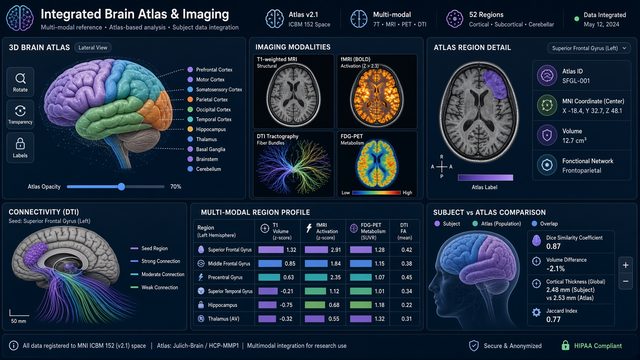
- MRI with contrast is the primary imaging tool
- CT scan, for emergencies
- Biopsy or surgical removal with pathology, including molecular testing (for example, IDH mutation, MGMT methylation and 1p/19q codeletion)
- Additional imaging, such as PET or functional MRI for surgical planning
The World Health Organization classification now integrates molecular features, which affect prognosis and treatment.
Treatment
Surgery
The goal is the maximal safe removal of tumor while preserving function. Techniques include awake craniotomy with brain mapping, intraoperative MRI and fluorescence-guided surgery.
Radiation therapy
Options include conventional radiation, stereotactic radiosurgery (such as Gamma Knife) for small tumors and metastases, and proton therapy.
Chemotherapy and targeted therapy
Temozolomide is standard for glioblastoma and some gliomas. Targeted drugs aimed at specific mutations are available for certain tumors, such as vorasidenib for IDH-mutant gliomas. Tumor treating fields, a device delivering low-intensity electric fields, is used in glioblastoma. Immunotherapy is used for brain metastases from melanoma and lung cancer.
Supportive care
Corticosteroids reduce swelling, and anti-seizure medications are used when seizures occur. Rehabilitation, palliative care and psychological support are integral.
Cognitive and emotional effects
Tumors and treatments can affect memory, attention, speed of thinking, mood and fatigue. Neuropsychological testing and cognitive rehabilitation can help, as can exercise and sleep. Depression and anxiety are common and treatable.
Care at specialized centers
Treatment is best delivered by a multidisciplinary team including neurosurgeons, neuro-oncologists, radiation oncologists, neuropathologists and rehabilitation specialists. Comprehensive cancer centers and academic medical centers often have brain tumor programs, and many are listed in our directory. Clinical trials may offer access to new treatments.
Living with a brain tumor
- Ask for a second opinion when appropriate
- Keep a list of questions and bring someone to appointments
- Seek support from organizations such as the American Brain Tumor Association and National Brain Tumor Society
- Involve caregivers, and consider counseling
- Discuss driving, work and legal planning with the team
Outlook
Prognosis depends on tumor type, grade, molecular features, age and overall health. Many benign tumors are curable, while aggressive tumors remain difficult to treat despite advances. Research is active, offering hope through targeted therapies and immunotherapies.
Further reading from authoritative sources
This article is educational and does not replace advice from a licensed clinician. See the medical disclaimer. Looking for specialist care? Browse the neurology clinic directory.