The Science of Resilience: How Brains Bounce Back
Most people will experience loss, illness, disaster or other serious hardship at some point in their lives. Many of them adapt and eventually recover well. Researchers call this capacity resilience, and they are learning how it works in the brain and how it can be strengthened.
What resilience is, and is not
Resilience does not mean being unaffected by hardship. Resilient people may still feel intense distress, grief or fear. What distinguishes them is that they maintain or regain functioning over time. Resilience also does not mean "toughing it out" alone; seeking help is itself a resilient behavior.
Studies of people exposed to trauma show that most follow one of several trajectories. Many show a brief period of distress and then recover. Others experience more lasting difficulties, and some show delayed symptoms. This variety is why researchers avoid assuming that everyone should respond in the same way.
What happens in the brain
Regulation between prefrontal cortex and amygdala
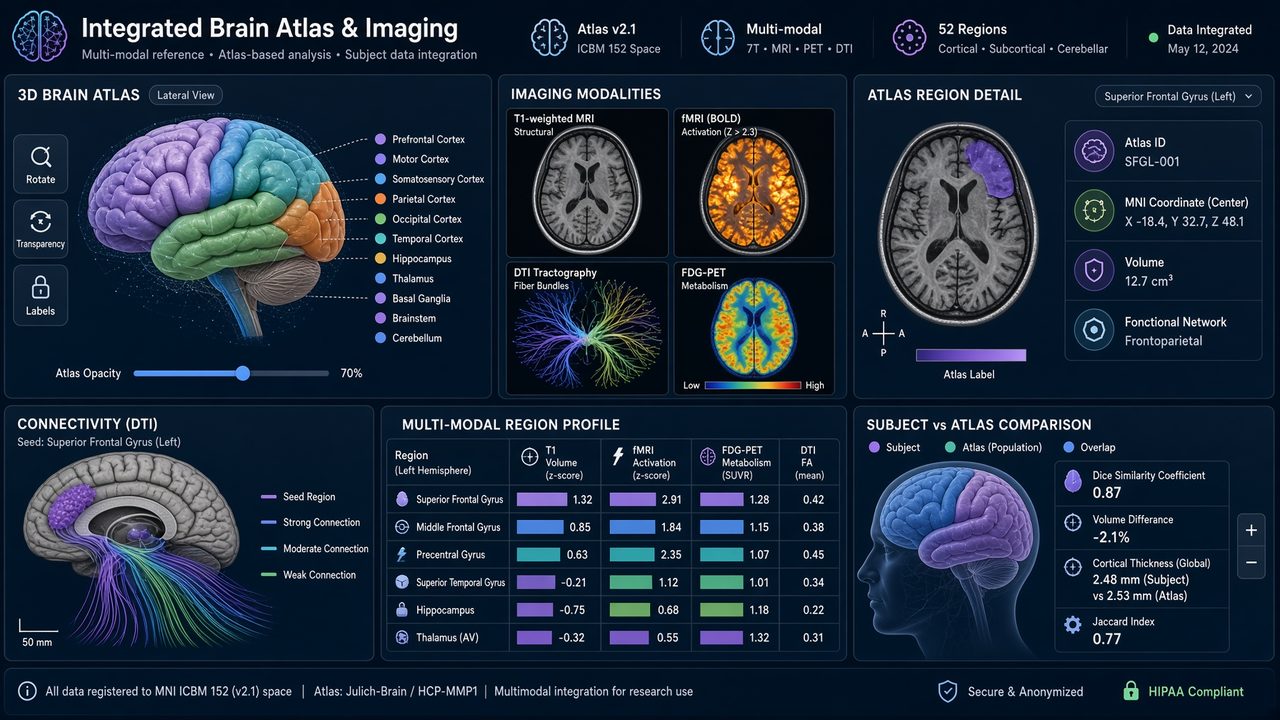
Resilient individuals tend to show stronger regulation of the amygdala by prefrontal regions. This allows them to appraise threats more flexibly and to recover more quickly after emotional arousal.
Stress hormone systems
Resilience is associated with an efficient stress response that mobilizes quickly and shuts down effectively. Hormones and neuropeptides such as neuropeptide Y, which helps dampen fear responses, have been studied as protective factors, including in military and special-forces training research.
Reward and learning systems
Resilience involves maintaining the ability to experience reward and to learn from setbacks, which keeps people motivated and engaged in coping.
Plasticity
Because the brain stays plastic, experiences that build skills and supportive relationships can strengthen resilience-related circuits at any age.

Protective factors
Decades of research identify consistent factors that help people cope:
- Supportive relationships. Having even one stable, caring relationship in childhood is a powerful protective factor, and social support buffers stress throughout life.
- A sense of control or agency. Believing that your actions matter helps. Controllable stress is generally less harmful than uncontrollable stress.
- Flexible thinking. The ability to reappraise situations and consider alternatives.
- Physical health. Regular exercise, sleep and healthy habits.
- Meaning and purpose. Cultural, spiritual or personal sources of meaning help people make sense of adversity.
- Access to resources. Safety, stable housing, financial security and healthcare make recovery much more feasible. Resilience is not only an individual quality; communities and policies matter.
Building resilience
Evidence supports several approaches that can help:
1. Invest in relationships. Maintain connections and ask for help. 2. Practice stress "inoculation." Gradually facing manageable challenges builds confidence. 3. Learn emotion regulation skills, such as breathing, mindfulness and cognitive reappraisal. 4. Keep routines, especially sleep, activity and meals, during hard times. 5. Set small goals that restore a feeling of progress. 6. Seek professional support for trauma or persistent symptoms.
Resilience in children
Programs that build social-emotional skills, strengthen parent-child relationships and reduce adversity show benefits for children's coping. Early, consistent caregiving is especially valuable.
Limits
Some situations are overwhelming, and distress afterward is normal and not a failure. Persistent symptoms such as nightmares, avoidance, depression or thoughts of self-harm call for professional care. In the United States, you can call or text 988 at any time.
Further reading from authoritative sources
- National Institute of Mental Health (NIMH)
- National Center for Complementary and Integrative Health (NCCIH)
This article is educational and does not replace advice from a licensed clinician. See the medical disclaimer. Looking for specialist care? Browse the neurology clinic directory.