Concussion Management: What the Brain Needs to Heal
A concussion is a mild traumatic brain injury caused by a bump, blow or jolt to the head or body that makes the brain move rapidly inside the skull. It disrupts brain function temporarily, without usually showing damage on standard CT or MRI scans. With appropriate care, most people recover fully.
Recognizing a concussion
You do not need to lose consciousness to have a concussion; in fact, most people do not. Signs and symptoms may include:
- Headache or pressure in the head
- Dizziness, balance problems or feeling "foggy"
- Nausea or vomiting
- Sensitivity to light or noise
- Confusion, slowed thinking, or trouble remembering the event
- Blurred vision
- Fatigue or sleep changes
- Irritability, sadness or anxiety
Symptoms may appear right away or develop over hours to days.
What to do immediately
1. Remove the person from play or activity. Anyone suspected of having a concussion should not return the same day. 2. Watch for red flags. Seek emergency care for repeated vomiting, a worsening headache, seizures, weakness or numbness, slurred speech, increasing confusion or drowsiness, unequal pupils, or inability to wake up. 3. Get evaluated by a healthcare professional trained in concussion management.
The recovery process
First day or two
A short period of relative physical and cognitive rest is reasonable. This means limiting activities that provoke or worsen symptoms, including intense exercise, heavy schoolwork and extended screen use, while allowing normal daily activity as tolerated.
Then a gradual return
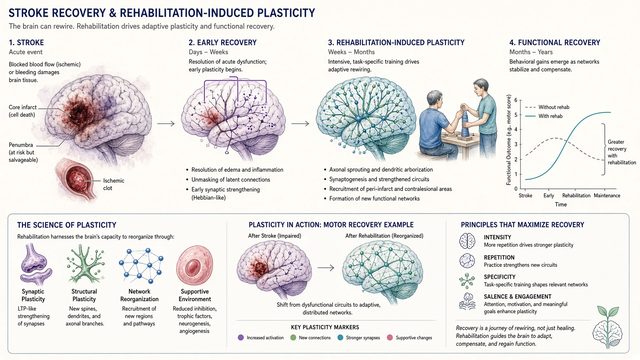
Current consensus guidelines encourage a stepwise return to light activity within the first few days, as symptoms allow. Gentle walking and other light aerobic exercise that does not significantly worsen symptoms may actually speed recovery. Complete inactivity for long periods has been linked with slower recovery in some studies.
Return to learning or work
Students may need temporary accommodations, such as shorter days, extra time or reduced workload. Adults may need modified duties. Returning to full responsibilities should be gradual.
Return to sport
Athletes follow a graduated program, moving from rest to light aerobic exercise, then sport-specific drills, non-contact practice, full-contact practice and finally game play. Each step should take at least 24 hours, and if symptoms return, the athlete goes back a step. Athletes should be symptom-free and back to full school or work activity before full contact.
How long does it take?
Most adults recover within about two to four weeks, while children and teenagers may take longer. A smaller group experiences symptoms for more than a month, sometimes called persistent post-concussive symptoms.
Why repeat injuries matter
Returning to play too early risks a second concussion before the brain has healed, which can prolong recovery and, rarely, cause dangerous brain swelling in younger athletes. Repeated head impacts over time are also a concern for long-term brain health.
When recovery is slow
Persistent symptoms deserve specialized care. Treatments may include:
- Vestibular therapy for dizziness and balance problems
- Vision therapy for eye-tracking issues
- Graded aerobic exercise supervised by a clinician
- Cognitive behavioral therapy for sleep, anxiety and mood
- Treatment for headaches, including migraine-type headaches
- Cognitive rehabilitation
Sleep, hydration, nutrition and stress management support recovery. Avoid alcohol and recreational drugs while healing.
Medications and supplements
Over-the-counter pain relievers may be used as directed, though frequent use can cause rebound headaches. Ask a clinician about safe options, especially if you take blood thinners. No supplement has been proven to speed concussion recovery.
Prevention
Use proper protective equipment, learn safe techniques in sports, wear seat belts and helmets, and reduce fall risks. Helmets lower the risk of severe head injury but do not eliminate concussion risk.
When to seek help
If you or your child has symptoms lasting longer than a few weeks, symptoms that are worsening, or any red flag signs, see a clinician. Our directory lists rehabilitation and neurology programs that treat concussion.
Further reading from authoritative sources
This article is educational and does not replace advice from a licensed clinician. See the medical disclaimer. Looking for specialist care? Browse the neurology clinic directory.