Non-Pharmacological Approaches to Brain Health
Medications are vital for many conditions, but a large part of brain health depends on how we live. Research shows that lifestyle choices and non-drug therapies can reduce risk, support recovery and improve everyday thinking.
What the evidence says
The Lancet Commission on dementia prevention estimated in 2024 that about 45 percent of dementia cases worldwide might be prevented or delayed by addressing 14 modifiable risk factors across life, including less education, hearing loss, high cholesterol, depression, traumatic brain injury, physical inactivity, diabetes, smoking, hypertension, obesity, excessive alcohol, social isolation, air pollution and vision loss. The FINGER trial in Finland, led by Miia Kivipelto, found that a multidomain intervention combining diet, exercise, cognitive training and vascular risk monitoring improved or maintained cognitive function in at-risk older adults compared with general advice. Later trials, such as the U.S. POINTER study in 2025, reported similar benefits for structured lifestyle programs.
Pillars
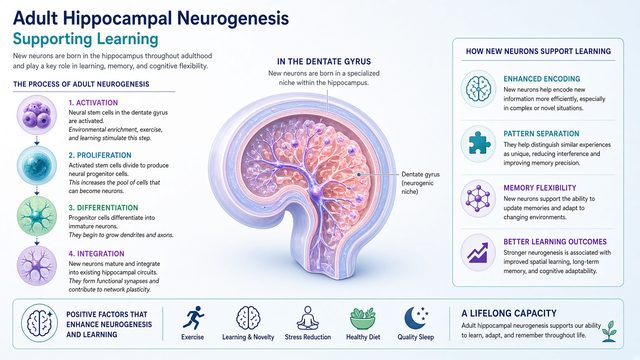
- Physical activity: aerobic exercise improves blood flow, mood and memory, and may increase hippocampal volume. Aim for at least 150 minutes of moderate activity weekly, plus strength training, as recommended by the World Health Organization.
- Sleep: seven to nine hours for most adults, regular timing, and treatment of sleep apnea
- Nutrition: patterns such as the Mediterranean and MIND diets, rich in vegetables, berries, whole grains, fish, nuts and olive oil, are associated with lower risk of decline in observational studies, with trials still developing.
- Cardiovascular health: controlling blood pressure, cholesterol and blood sugar, not smoking, and limiting alcohol
- Cognitive engagement: learning, reading, music, languages and challenging hobbies
- Social connection: regular contact and meaningful activity
- Stress management and mood: mindfulness, therapy, relaxation and treating depression
- Sensory health: hearing aids and eye care
- Protecting the head: helmets, seat belts and fall prevention
- Environmental factors: reduce exposure to air pollution and noise
Therapies beyond medication
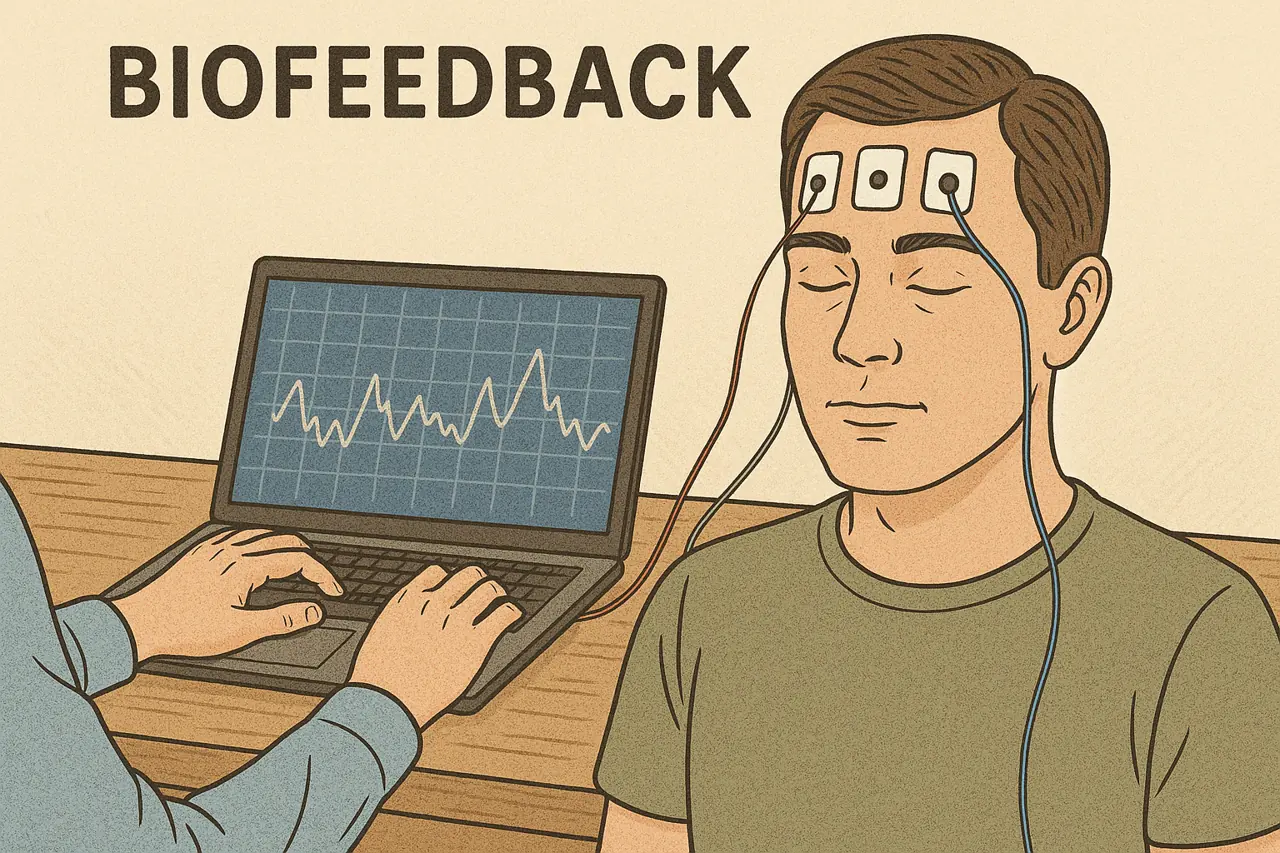
Cognitive behavioral therapy, rehabilitation therapies, music and art therapies, biofeedback, mind-body practices, bright light therapy and neuromodulation are among non-drug options used for various conditions. Their evidence varies.
Building a plan
- Start small: pick one habit to begin, such as daily walking
- Make it enjoyable and social
- Track progress with an app or journal
- Combine habits: walk with a friend, then cook a healthy meal together
- Check with your doctor before major changes, particularly if you have health conditions
- Revisit goals regularly, and adjust
- Be wary of miracle claims, including supplements marketed for memory
Limits
Lifestyle cannot prevent all brain disease, and no one is to blame for illness. Genes, age and chance matter. These approaches improve odds and quality of life, and they are worthwhile at any age.
Special groups
People with disabilities, chronic illness or limited resources may need adapted programs. Chair exercise, community meal programs, telehealth, and free classes at libraries and senior centers make healthy habits more accessible, and health systems and communities have a role in reducing barriers.
Putting evidence into practice
Choose changes you can keep, and aim for consistency over perfection. Even small improvements, such as ten extra minutes of walking daily or one more night of good sleep, add up across years.
Takeaway
What you do every day shapes your brain. Combine healthy habits with good medical care for the best protection.
Further reading from authoritative sources
This article is educational and does not replace advice from a licensed clinician. See the medical disclaimer. Looking for specialist care? Browse the neurology clinic directory.