Stroke: Recognizing Signs and Supporting Recovery
A stroke occurs when blood flow to part of the brain is blocked or a blood vessel bursts, depriving brain cells of oxygen. It is a leading cause of death and long-term disability. Rapid treatment can dramatically improve outcomes, which makes recognizing the signs one of the most valuable pieces of health knowledge.
Types of stroke
Ischemic stroke
The most common type, accounting for roughly 85 to 87 percent of strokes, is caused by a clot that blocks an artery supplying the brain. Clots can form in the brain's arteries or travel from the heart or neck arteries.
Hemorrhagic stroke
Bleeding occurs when a weakened blood vessel ruptures, either within the brain tissue (intracerebral hemorrhage) or around it (subarachnoid hemorrhage, often caused by a burst aneurysm). A sudden, severe "thunderclap" headache is a warning sign.
Transient ischemic attack (TIA)
A TIA, sometimes called a mini-stroke, produces stroke symptoms that resolve within minutes to hours. It is a medical emergency, because it signals a high risk of a full stroke in the following days.
Recognizing a stroke: BE-FAST
- B – Balance: sudden loss of balance or coordination
- E – Eyes: sudden vision loss or double vision
- F – Face: one side of the face droops when smiling
- A – Arm: weakness or numbness in one arm or leg
- S – Speech: slurred or strange speech, or difficulty understanding
- T – Time: call emergency services immediately and note when symptoms began
Other signs include sudden confusion, a severe headache with no known cause, and sudden numbness on one side of the body. Do not wait to see if symptoms pass, and do not drive yourself to the hospital.
Emergency treatment
Clot-busting medication
For eligible ischemic stroke patients, intravenous thrombolytic drugs can dissolve the clot, and the benefit is greatest when given as early as possible, generally within about 4.5 hours of when symptoms started.
Mechanical thrombectomy
For strokes caused by blockage of a large artery, doctors can thread a catheter to the clot and remove it. In selected patients, thrombectomy can be effective up to many hours, and sometimes up to 24 hours, after symptoms began, guided by brain imaging.
Hemorrhagic stroke care
Treatment focuses on controlling blood pressure, reversing blood thinners if needed, and sometimes surgery or procedures to stop bleeding or repair an aneurysm.
Hospitals designated as stroke centers have teams and protocols for rapid evaluation. Emergency medical services can take you to an appropriate facility.
Risk factors
- High blood pressure, the most important modifiable risk factor
- Atrial fibrillation and other heart conditions
- Diabetes
- High cholesterol
- Smoking
- Obesity and physical inactivity
- Sleep apnea
- Excessive alcohol use
- Age, family history and prior stroke or TIA
Prevention after a stroke
Preventing another stroke is a priority. It often includes blood pressure control, antiplatelet or anticoagulant medication, cholesterol-lowering medicine, diabetes management, treating atrial fibrillation, stopping smoking, healthy diet and regular exercise.
Recovery and rehabilitation
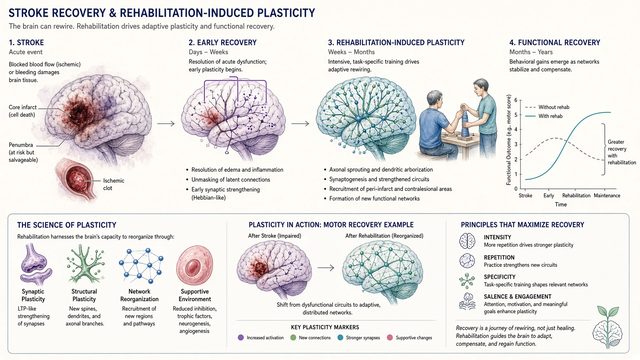
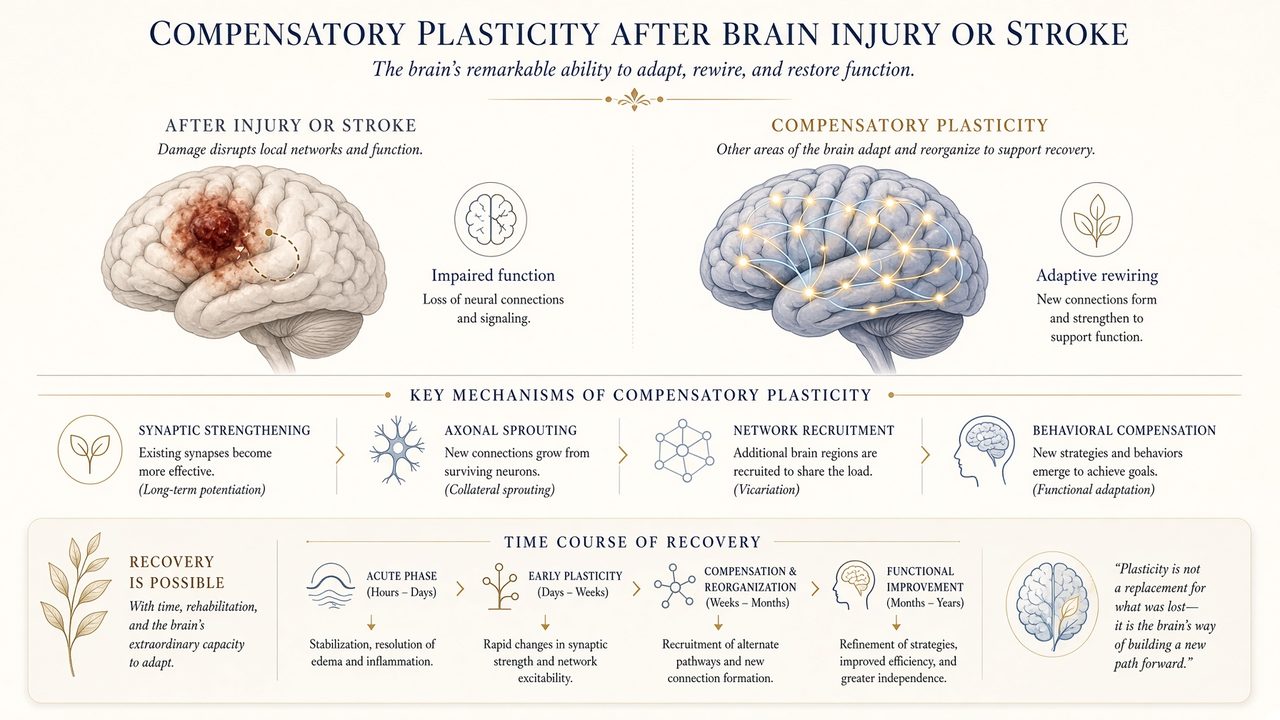
The brain is most plastic in the first weeks and months after a stroke, and intensive rehabilitation during this window is associated with better recovery, although improvement can continue for years.
- Physical therapy for strength, balance and walking
- Occupational therapy for daily activities
- Speech-language therapy for aphasia and swallowing problems
- Cognitive rehabilitation for memory and attention
- Psychological support, since depression and anxiety are common after stroke
Family support and caregiver training are important.
Life after stroke
Many survivors regain a great deal of function, though some live with lasting changes. Support groups and organizations like the American Stroke Association offer resources. Ask your care team about driving, returning to work and managing fatigue.
The takeaway
Learn BE-FAST, share it with family and friends, and call emergency services right away if you suspect a stroke. Quick action can save brain tissue, function and lives.
Further reading from authoritative sources
This article is educational and does not replace advice from a licensed clinician. See the medical disclaimer. Looking for specialist care? Browse the neurology clinic directory.