How Sleep Loss Affects Mood and Mental Health
After a bad night, the world looks gloomier and small annoyances feel larger. Research confirms that sleep and mood are tightly linked, and chronic sleep problems are among the strongest risk factors for mental health conditions.
What sleep loss does to the brain
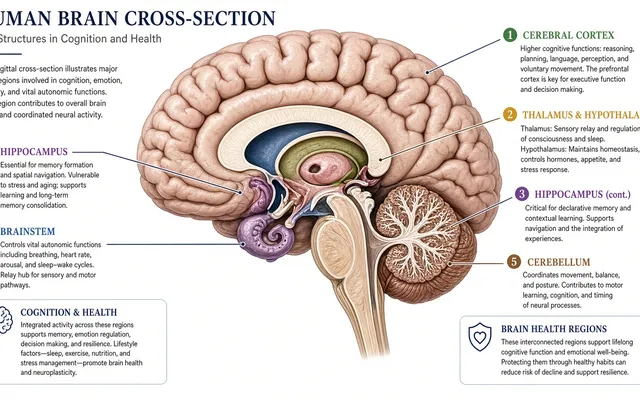
- Amygdala: a study by Matthew Walker and Seung-Schik Yoo found that after one night without sleep, the amygdala was about 60 percent more reactive to negative images, with weaker connectivity to the medial prefrontal cortex that normally keeps it in check.
- Prefrontal cortex: reduced activity affects attention, impulse control and decision making.
- Reward systems: sleep-deprived people show heightened responses to pleasurable stimuli and risk-taking.
- REM sleep: thought to help process emotional memories and reduce their emotional charge. Disruptions may interfere with this recalibration.
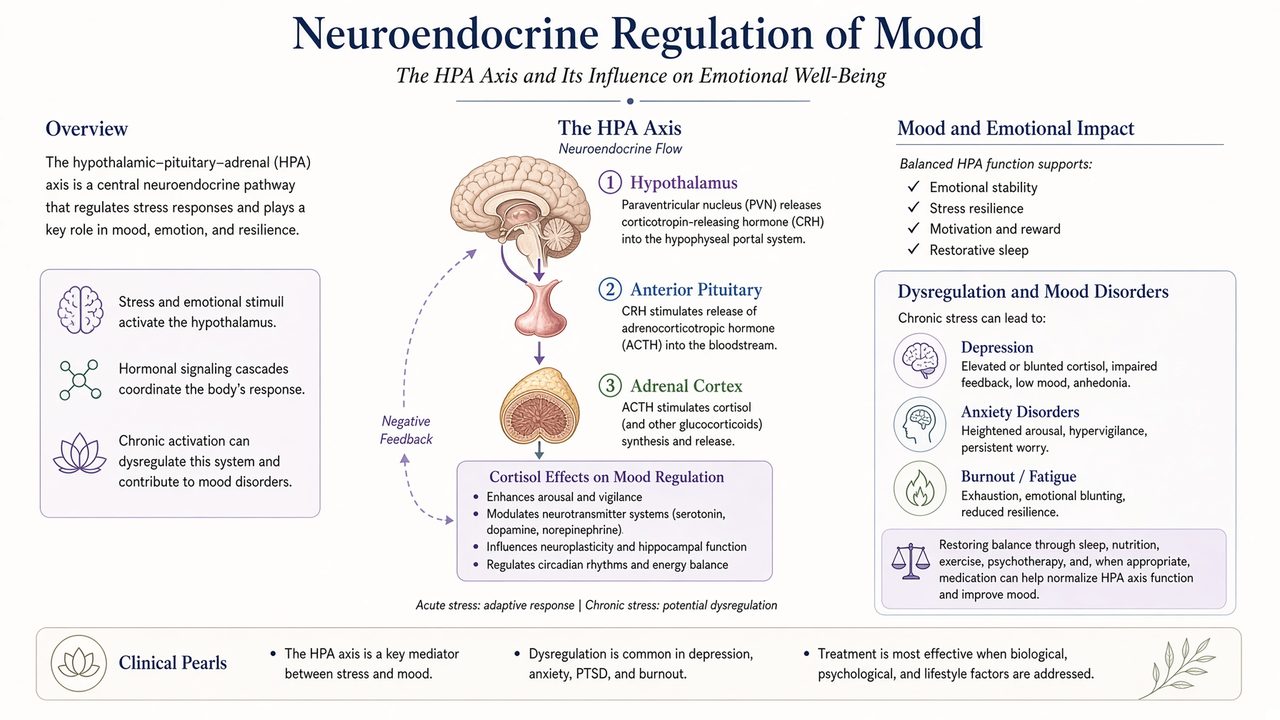
- Stress hormones and inflammation: sleep loss raises cortisol and inflammatory markers.
- Neurotransmitters: sleep affects serotonin, dopamine and other systems that regulate mood.
Effects on mood and behavior
After insufficient sleep, people report more irritability, anxiety, sadness and stress, less positive emotion and less empathy. Experiments restricting sleep to about four to five hours for a week reduce positive mood within days. Sleep deprivation also impairs the ability to read others' emotions and increases impulsivity.

Sleep and mental health conditions
- Depression: insomnia often precedes depression and predicts its onset. Treating insomnia in people with depression improves depressive outcomes in trials.
- Anxiety: sleep loss increases anticipatory anxiety, and anxiety disrupts sleep.
- Bipolar disorder: sleep loss can trigger mania, and regular sleep schedules are a central part of treatment.
- PTSD: nightmares and hyperarousal are core symptoms.
- ADHD and psychosis: sleep disturbances worsen symptoms.
- Suicide risk: insomnia is associated with increased suicidal thoughts, and clinicians treat it as a warning sign.
Interesting twist
A brief period of sleep deprivation, especially in the second half of the night, can transiently improve mood in some people with depression, and is studied as a rapid antidepressant effect. It is not a safe self-treatment, because relapse is common after sleep, and sleep loss can harm.
Protecting sleep
- Keep a consistent schedule, including weekends.
- Aim for seven to nine hours for most adults. Teens need eight to ten.
- Morning light, and dim lights in the evening.
- Limit caffeine after midday and alcohol near bedtime.
- Create a cool, dark, quiet bedroom, and use the bed only for sleep.
- Wind down: reduce screens and stimulating activities before bed.
- Exercise regularly, but not intensely right before bed.
- Manage worry with a notepad or scheduled worry time.
- CBT for insomnia (CBT-I): the first-line treatment, effective for chronic insomnia and helpful for depression and anxiety.
- Evaluate sleep disorders such as sleep apnea and restless legs, which are common and treatable.
When to seek help
If sleep problems last more than a few weeks, or you notice persistent low mood, anxiety or thoughts of self-harm, talk with a healthcare professional.
Takeaway
Good sleep is a foundation for emotional health. Protecting it is one of the most effective steps for mood and mental resilience.
Further reading from authoritative sources
- National Institute of Mental Health (NIMH)
- National Center for Complementary and Integrative Health (NCCIH)
This article is educational and does not replace advice from a licensed clinician. See the medical disclaimer. Looking for specialist care? Browse the neurology clinic directory.