Substance Use Disorders and Brain Recovery
Substance use disorders are chronic, treatable conditions in which a person continues to use alcohol or drugs despite harm. Substances act on the brain's reward and control systems, and the brain changes with use, and with recovery.
How addiction develops
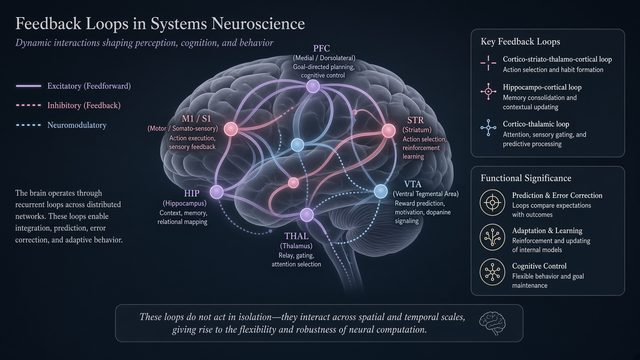
Nearly all addictive substances increase dopamine in the nucleus accumbens, the brain's reward pathway, signaling that an experience is important. With repeated use, the brain adapts, and tolerance builds. Nora Volkow, George Koob and colleagues describe three stages: binge and intoxication, withdrawal and negative affect, and preoccupation and anticipation. Over time, cues linked to use trigger craving, the prefrontal cortex's control over decisions weakens, and stress systems become overactive, so people use to relieve distress rather than to feel pleasure.
Risk factors
Genetics account for about half of vulnerability. Others include early use, trauma, mental health conditions, family history, peer influences, availability and stress. Adolescents are more vulnerable because the brain's control systems are still developing.
What happens in recovery
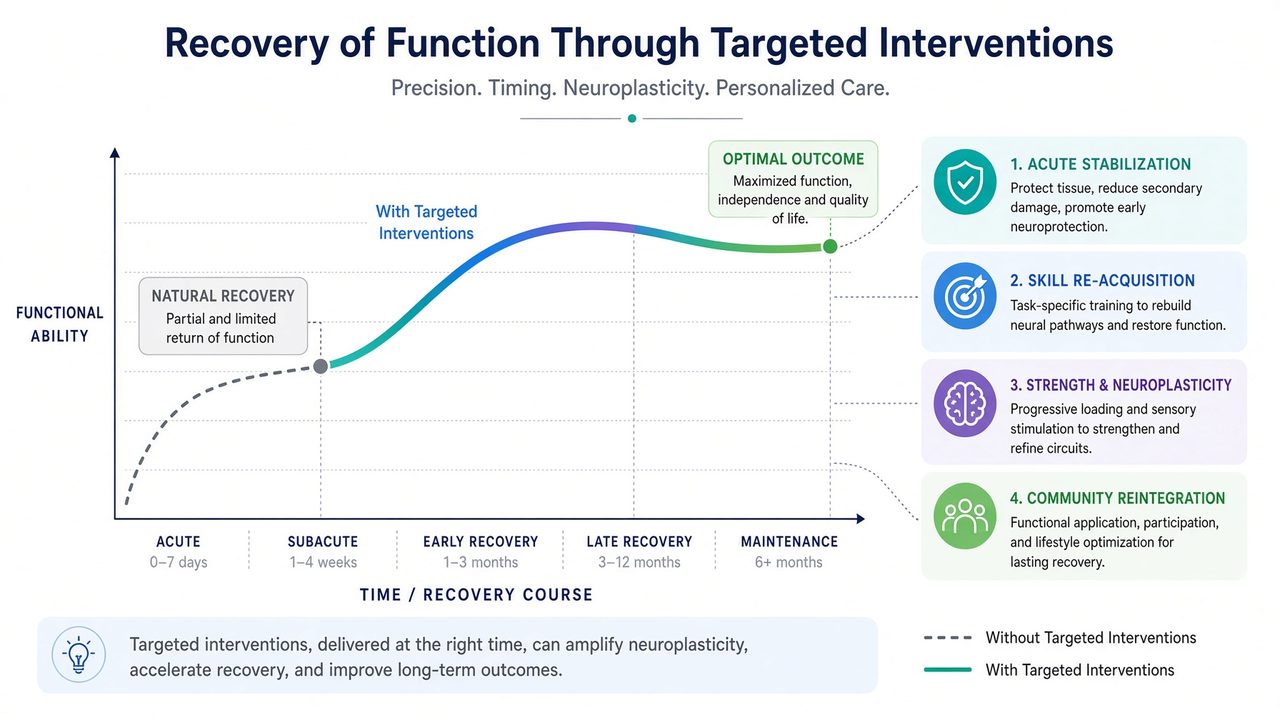
Imaging studies show recovery of dopamine function and gray matter with sustained abstinence over months to years, as in studies by Nora Volkow and colleagues of methamphetamine users. Cognitive function, such as attention and memory, often improves gradually. Recovery is not always smooth, and lapses are common, which signal a need to adjust treatment, not failure.
Treatment
- Medication: buprenorphine, methadone and naltrexone for opioid use disorder, and naltrexone, acamprosate and disulfiram for alcohol use disorder. Nicotine replacement, varenicline and bupropion for smoking. There are no approved medications for stimulant use disorder, though contingency management is effective.
- Behavioral therapies: cognitive behavioral therapy, motivational interviewing, contingency management and community reinforcement
- Mutual help groups: Alcoholics Anonymous, Narcotics Anonymous and SMART Recovery
- Treatment for co-occurring mental illness
- Residential and intensive outpatient programs where needed
- Recovery support: peer coaches, housing, employment support, sober communities
- Emerging approaches: transcranial magnetic stimulation for cravings, and research on psychedelic-assisted therapy
Supporting recovery
- Sleep, exercise and nutrition help repair brain function and mood.
- Stress management: mindfulness, therapy and healthy outlets
- Avoid triggers, and plan for high-risk situations
- Build connection: supportive relationships protect against relapse.
- Be patient: recovery is a process and each day of progress counts.
How families can help
Learn about addiction, avoid shaming, set boundaries, encourage treatment, consider family therapy and support groups such as Al-Anon, and carry naloxone if opioids are involved.
Getting help
In the United States, call the Substance Abuse and Mental Health Services Administration helpline at 1-800-662-4357. In an emergency or overdose, call emergency services.
Adolescents and young adults
Because the prefrontal cortex continues maturing into the mid-twenties, early substance use can interfere with learning and impulse control, and delaying first use lowers the risk of later addiction. Parents can stay involved, talk openly, keep medications locked and seek screening through pediatricians.
Stigma
Language matters. Describing someone as a person with a substance use disorder, instead of using labels like addict, reduces shame and encourages people to seek care. Compassion improves engagement in treatment.
Takeaway
Addiction is a medical condition, and the brain can heal. Treatment works, and recovery is real.
Further reading from authoritative sources
This article is educational and does not replace advice from a licensed clinician. See the medical disclaimer. Looking for specialist care? Browse the neurology clinic directory.