Building Trust in Brain Health Research
Research can only help if people believe in it and take part. Trust in brain health research has been shaped by past abuses, by hype, by failed replications and by questions about money and data. Building it takes sustained effort.
Why trust matters
Clinical trials need diverse volunteers, and many people hesitate because of past mistreatment, fear, or doubt about benefits. Misinformation can undermine confidence in findings. In the history of research, events such as the Tuskegee syphilis study left a legacy of mistrust, especially among Black communities. Trust also affects whether people follow health advice and support research funding.
What builds trust
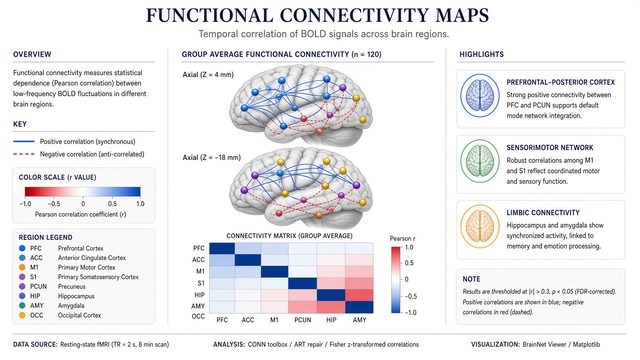
- Rigor and replication: The replication crisis in psychology and neuroimaging showed that small studies and flexible analyses can produce false findings. In 2016, a study by Anders Eklund and colleagues suggested that some statistical methods used in functional magnetic resonance imaging could produce inflated false positive rates. Solutions include larger samples, preregistration of hypotheses, registered reports, data sharing and independent replication.
- Transparency: Register trials, publish negative results, disclose funding and conflicts of interest, and share methods and code. The Alzheimer's field has also faced scrutiny over image manipulation in some influential papers, which shows why integrity checks and post-publication review matter.
- Honest communication: Avoid overstating results in press releases, and describe limits.
- Community partnership: involve patients, caregivers and community members in setting priorities, designing studies and interpreting results, through advisory boards and participatory research.
- Fair benefits: Share results with participants in plain language, make treatments available after trials where possible, and ensure that research benefits the communities who take part.
- Data stewardship: Protect privacy, use clear consent, give participants control, and explain how data will be used. Open science efforts, such as the Human Connectome Project and UK Biobank, share data under governance rules.
- Inclusion: recruit diverse participants and research teams.
- Respect and accountability: respond to concerns, and correct errors and misconduct promptly. Retractions, openly handled, can strengthen credibility.
- Independence: guard against undue commercial influence.
- Training and culture: reward quality over quantity of publications.

What participants and the public can do
Ask questions about studies, check that research is reviewed by an ethics board and registered, support patient-driven research initiatives, and share your experience with researchers.
Learning from other fields
Open science practices in genetics, physics and clinical trials show that large shared datasets, public registries and clear reporting standards raise confidence and speed discovery. Many journals now require data availability statements and use checklists for reporting, such as CONSORT for trials and ARRIVE for animal studies. Funders can reward replication and null results, and universities can value mentoring, data sharing and public engagement in hiring and promotion decisions. Patient organizations, such as those for Parkinson's disease and Alzheimer's disease, have shown that when people with lived experience help set the research agenda, studies become more relevant, recruit better and are more trusted.
Signs of a trustworthy study
- The question and methods were registered in advance.
- The sample is described clearly, including who was left out.
- Funding and conflicts are disclosed.
- Results, including those that did not work, are reported.
- Participants are told what was found.
Takeaway
Trust grows when researchers are open about what they know, what they do not know, and who benefits. Participants are partners in discovery.
Further reading from authoritative sources
- National Institute of Neurological Disorders and Stroke (NINDS)
- National Institute of Mental Health (NIMH)
This article is educational and does not replace advice from a licensed clinician. See the medical disclaimer. Looking for specialist care? Browse the neurology clinic directory.