The Neuroscience of Pain Management
Pain is not simply a signal of tissue damage. It is an experience constructed by the brain, influenced by sensation, emotion, attention, memory and context. This understanding opens many paths for treatment.
How pain works
Nociceptors in tissues detect harmful stimuli and send signals through the spinal cord to the brainstem, thalamus and cortex. The brain processes sensory aspects, in the somatosensory cortex, and emotional aspects, in the anterior cingulate and insula. Descending pathways from the brainstem and cortex can amplify or dampen incoming signals, for example by releasing endogenous opioids. Placebo analgesia and stress-induced analgesia show the brain's capacity to modulate pain, as shown by work of Tor Wager, Fabrizio Benedetti and others.
When pain becomes chronic
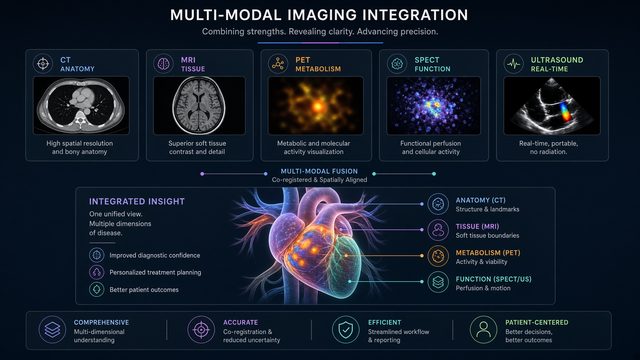
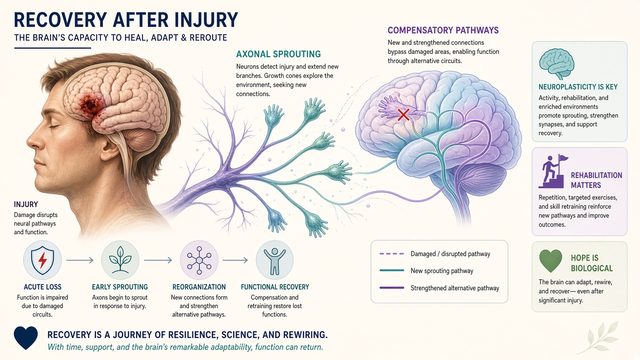
Chronic pain, lasting more than three months, affects around 20 percent of adults. In many people, the nervous system becomes sensitized: spinal and brain circuits amplify signals, a process called central sensitization, and the brain's pain-related networks reorganize. Imaging studies by Vania Apkarian and colleagues found that chronic back pain was associated with changes in prefrontal and limbic regions and altered connectivity, which predicted transition from acute to chronic pain. Fear, catastrophizing, depression, poor sleep and inactivity can maintain pain. Conditions like fibromyalgia, neuropathic pain, and complex regional pain syndrome involve altered central processing.

Evidence-based approaches
- Education about pain: explaining how pain works, called pain neuroscience education, reduces fear and improves function.
- Exercise and physical therapy: graded activity, strengthening, stretching, yoga and tai chi have evidence for back pain, osteoarthritis and fibromyalgia.
- Cognitive behavioral therapy and acceptance and commitment therapy: reduce pain interference and distress, with strong evidence.
- Mindfulness-based stress reduction: modest benefits for chronic pain, with studies by Fadel Zeidan showing reduced pain intensity and unpleasantness through brain mechanisms distinct from placebo.
- Medications: nonsteroidal anti-inflammatory drugs and acetaminophen for some conditions, and serotonin-norepinephrine reuptake inhibitors, tricyclic antidepressants and gabapentinoids for neuropathic pain. Opioids have limited long-term benefit for chronic noncancer pain and carry risks, so guidelines advise caution and restraint.
- Interventional procedures: nerve blocks, injections, radiofrequency ablation, and spinal cord stimulation for selected patients
- Neuromodulation: transcranial magnetic stimulation, transcutaneous electrical nerve stimulation, and others, with variable evidence
- Sleep and mood treatment
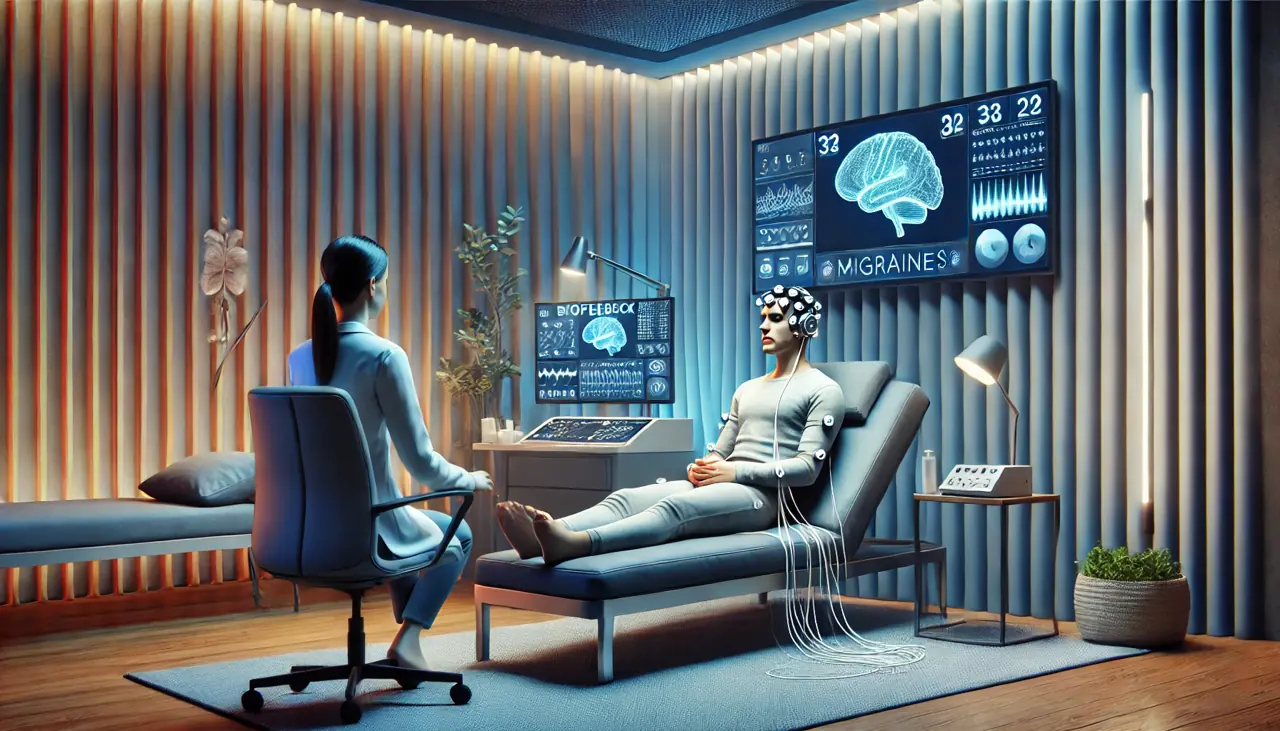
- Biofeedback and relaxation training
- Multidisciplinary pain programs: combining medical, physical and psychological care, which can improve function and reduce opioid use
- Complementary approaches: acupuncture and massage can help some people
Practical tips
- Pace activity: avoid cycles of overdoing and then crashing
- Keep moving, even in small amounts
- Prioritize sleep
- Practice relaxation, breathing and mindfulness
- Stay connected with friends and enjoyable activities
- Set functional goals, not just pain scores
- Work with a team and communicate openly
When to seek care
See a doctor for new or worsening pain, pain after injury, or pain with fever, weakness, numbness, loss of bladder or bowel control, or unexplained weight loss. Chronic pain also deserves a thorough evaluation.
Takeaway
Pain lives in the brain as well as the body, and so does relief. A multimodal plan gives the best chance of reducing suffering.
Further reading from authoritative sources
This article is educational and does not replace advice from a licensed clinician. See the medical disclaimer. Looking for specialist care? Browse the neurology clinic directory.