Tinnitus and the Brain: The Sound That Won't Stop
Tinnitus is the perception of ringing, buzzing, hissing or other sounds without an external source. About 10 to 15 percent of adults experience it, and for a minority it is severe and distressing.
Causes and risk factors
- Hearing loss: noise exposure, aging and ear disease are the most common triggers.
- Earwax, ear infections and other ear problems
- Medications: high doses of aspirin, some antibiotics, diuretics and chemotherapy agents can cause tinnitus.
- Head and neck injury
- Temporomandibular joint problems
- Vascular conditions: pulsatile tinnitus that beats in time with the heart needs evaluation.
- Stress, anxiety and sleep problems can worsen it.
- Acoustic neuroma and other tumors, uncommonly.
The brain's role
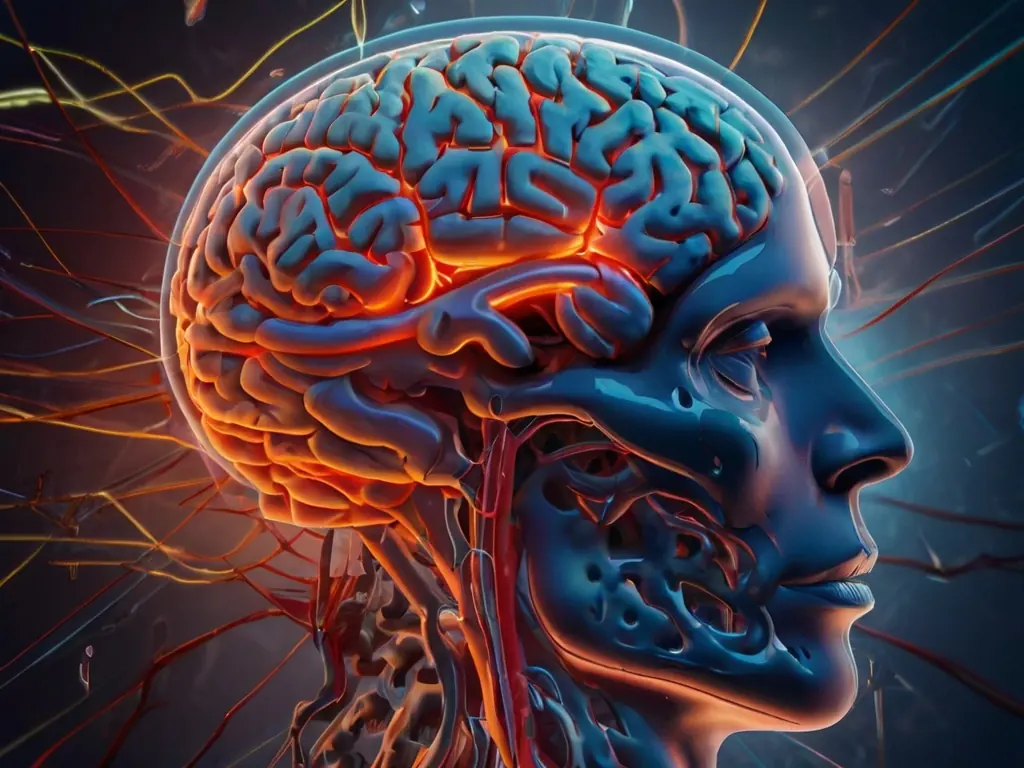
When the cochlea is damaged, the brain receives less input in certain frequencies. The central auditory system may compensate by turning up its gain or increasing spontaneous neural activity, producing a phantom sound. Imaging and electrophysiology studies show changes in auditory cortex and thalamus, and in networks involving attention and emotion, such as the limbic system, which influence how bothersome the sound is. Research by Josef Rauschecker and others proposes that the limbic system's failure to filter out the phantom sound contributes to chronic tinnitus. Tinnitus often fluctuates with stress and attention, and the associated distress is related to anxiety, depression and sleep disturbance.

Evaluation
See a doctor, particularly if tinnitus is one-sided, pulsatile, sudden, accompanied by hearing loss or dizziness, or follows head trauma. Evaluation includes ear examination and an audiogram, and sometimes imaging.
Treatment
There is no cure for most chronic tinnitus, but many approaches reduce distress.
- Hearing aids: for those with hearing loss, amplifying external sound often reduces tinnitus awareness.
- Cognitive behavioral therapy: the best-supported treatment, reducing distress and improving quality of life, as shown in reviews by the Cochrane Collaboration and trials by Gerhard Andersson and others, including internet-delivered programs.
- Sound therapy and masking: background sound, such as fans, nature sounds, or devices, makes tinnitus less noticeable, especially at night.
- Tinnitus retraining therapy: counseling combined with sound therapy, with mixed evidence.
- Mindfulness and relaxation
- Addressing sleep, anxiety and depression
- Medication: no drug is approved for tinnitus, and treatment targets associated conditions.
- Neuromodulation: bimodal stimulation devices combining sound with tongue stimulation, and repetitive transcranial magnetic stimulation, are under study, with limited evidence.
- Avoid unproven supplements, such as ginkgo, which have not been shown to work.
Prevention
Protect hearing from loud noise by wearing earplugs or earmuffs, keeping headphone volume moderate, limiting exposure time, and having hearing checked regularly.
Coping tips
- Avoid total silence, and use soft background sound
- Limit caffeine and alcohol if they worsen it
- Reduce stress and prioritize sleep
- Join support groups, such as those offered by the American Tinnitus Association
- Do not give up: many people habituate over time, with the sound becoming less intrusive
Takeaway
Tinnitus involves both the ear and the brain, and the brain can learn to tune it out. Seek help for distress or sudden changes.
Further reading from authoritative sources
This article is educational and does not replace advice from a licensed clinician. See the medical disclaimer. Looking for specialist care? Browse the neurology clinic directory.