What Brain Organoids Can and Can't Tell Us
Brain organoids have generated excitement and some exaggeration. Headlines about mini-brains that "think" or "see" can misrepresent what these tissues are. A careful look at what organoids can and cannot show helps interpret the science.
What organoids can tell us
Early development
Organoids recapitulate stages of fetal brain development, including proliferation of progenitor cells, neuronal differentiation and early layer formation. They show how genes and signals guide these steps, such as the effects of gene mutations linked to neurodevelopmental disorders.
Cell-autonomous disease mechanisms
When organoids from patients with a genetic condition differ from those of healthy controls, researchers can study how the mutation alters cell behavior. Rett syndrome, tuberous sclerosis, Down syndrome and others have been modeled.
Human-specific biology
Because they are human, organoids can capture aspects absent in rodents, such as a larger population of outer radial glia that expands the cortex.
Infection and toxins
They show how viruses like Zika infect neural progenitors, and how drugs or environmental agents affect developing neural tissue.
Drug responses
Patient-derived organoids may help predict responses in individuals, a concept under investigation for personalized medicine, particularly in brain tumors.
Electrical activity
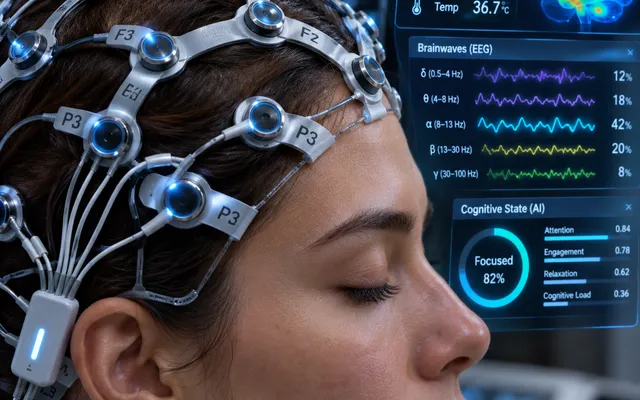
Organoids develop spontaneous network activity, and studies have shown patterns resembling those in preterm infant EEG, offering a way to study early network development.
What they cannot tell us
Adult brain function
Organoids resemble first and second trimester fetal brain. They cannot model the mature circuits underlying memory, language, attention or complex behavior.
Cognition and consciousness
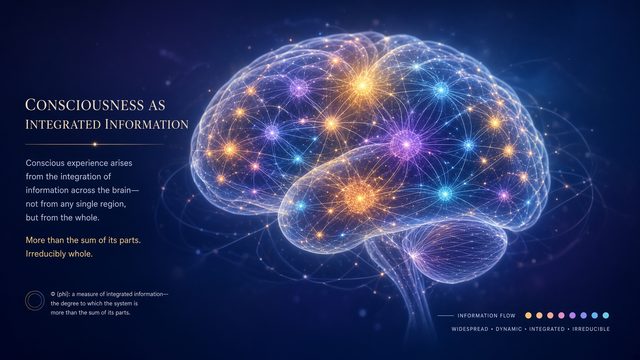
Organoids have no sensory input, body, or behavior, and lack the large-scale organization associated with consciousness. Neural activity in a dish is not evidence of thought.
Aging diseases
Because organoids are immature, they model late-onset diseases such as Alzheimer's and Parkinson's only partly. Reprogramming from adult cells also erases some aging signatures, though methods are being developed to induce aging features.
Systemic and environmental interactions
Organoids lack blood vessels, a blood-brain barrier, immune cells and the influence of the body, hormones and the microbiome, all key to disease.
Behavioral phenotypes
You cannot measure mood, learning or symptoms in an organoid. Psychiatric disorders involve complex circuits and experiences that organoids cannot capture.
Precise architecture
Organoids vary in shape and layering, so reproducibility is a challenge. Sizes and cell proportions vary between batches and cell lines.
How scientists validate them
- Comparison with fetal tissue using gene expression and single-cell data
- Multiple cell lines from different people to check consistency
- Gene editing to create isogenic controls differing only in one mutation
- Replication across laboratories
- Transplantation and in vivo studies to test function in context
- Combining models, such as organoids, animals, imaging and human genetics
Interpreting headlines
- "Mini-brain" implies more complexity than exists.
- Findings in a dish require confirmation in people.
- Statements that organoids "learn" or "play games" typically refer to limited responses to stimuli, not intelligence.
- Look for peer-reviewed publication and caveats about limitations.
The ethical frontier
Even if present organoids are not conscious, scientists have called for monitoring as complexity increases, including careful oversight of experiments that connect organoids to sensors or animals. Public engagement will be important.
Bottom line
Organoids are valuable tools for studying early human brain development and genetic disease. They complement other methods, and understanding their limits is essential to interpret the findings.
Further reading from authoritative sources
- National Institute of Neurological Disorders and Stroke (NINDS)
- National Institute of Mental Health (NIMH)
This article is educational and does not replace advice from a licensed clinician. See the medical disclaimer. Looking for specialist care? Browse the neurology clinic directory.