The Ethics of Cognitive Enhancement
Cognitive enhancement refers to improving mental abilities in people without a disorder, using drugs, brain stimulation, genetic approaches, or devices. As technologies advance, ethical debate has intensified.
What counts as enhancement
People already enhance cognition through education, caffeine, sleep, exercise and tools like computers. The debate focuses on more novel means: stimulant medicines such as methylphenidate and amphetamine, modafinil, nootropic supplements, transcranial stimulation, neurofeedback, and prospective brain implants and gene editing. The line between treatment and enhancement is blurry. Evidence suggests that prescription stimulants provide small benefits for healthy people, with variable effects that depend on baseline ability, and that modafinil may improve some tasks in sleep-deprived people, while claims of dramatic benefits are not supported.
Arguments in favor
- Autonomy: competent adults should be free to use their own brains as they wish, unless they harm others, as argued by John Harris and Nick Bostrom.
- Benefits: better focus and memory could improve productivity, learning and quality of life, and might help with society's problems.
- Continuity with existing practices: coffee, education and training are accepted forms.
- Prohibitions are ineffective and may drive use underground.
- Equality of access: enhancements could benefit people with lower cognitive ability.

Arguments against and concerns
- Safety and unknown long-term effects: risks include dependence, heart effects, anxiety, sleep disruption and unknown consequences for developing brains. Off-label use without medical supervision is risky.
- Fairness and inequality: if enhancement is costly, advantages may compound, creating a cognitive divide. Others argue that it may be like other differences in resources, such as tutoring.
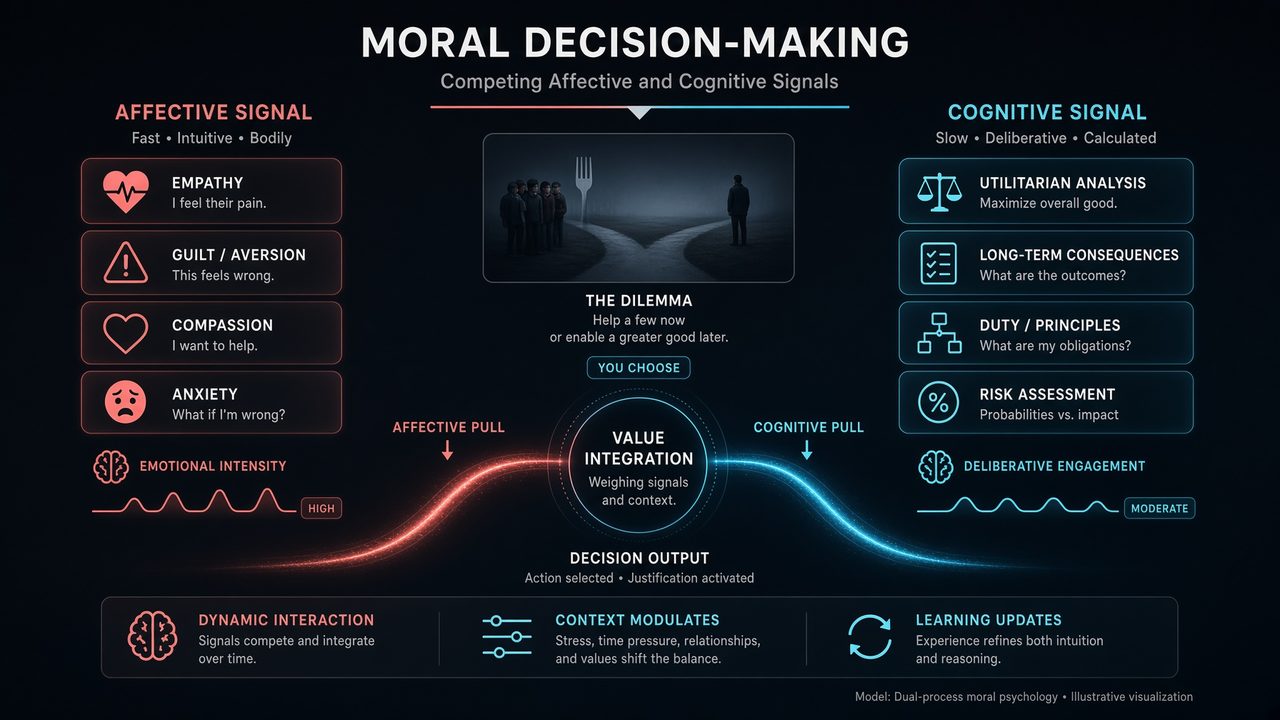
- Coercion and pressure: workers or students may feel compelled to use enhancers to compete, even if they do not wish to, which raises issues for schools, workplaces and the military.
- Authenticity and effort: critics, such as Michael Sandel and the President's Council on Bioethics, ask whether achievements through pharmacological shortcuts are less meaningful, or erode appreciation of giftedness. Others respond that tools are part of human achievement.
- Cheating: in competitions or exams, enhancement may violate rules.
- Medicalization: treating ordinary variation as disorder, or overprescribing
- Diversion of medications from patients who need them
- Children and adolescents: consent and developing brains
- Altered identity or personality
Regulation and policy
Rules vary: prescription drugs are regulated, while supplements face little oversight. Universities and employers set policies on exams and workplace use. Professional bodies, such as the American Academy of Neurology, issued a position in 2009 that adults may have reasons to use enhancers, but that safety and coercion require attention. The Nuffield Council on Bioethics and others have recommended research on safety, public dialogue and monitoring.
Questions to consider
- Is the intervention safe, reversible and effective?
- Is use voluntary and informed?
- Does it create unfair pressure or advantage?
- Who gets access?
- What is gained or lost in how we value effort and humanity?
Alternatives
Evidence-based means such as sleep, exercise, nutrition, learning strategies, mindfulness and social support improve cognition with minimal risk.
Takeaway
Cognitive enhancement raises real questions about freedom, fairness and meaning. Careful research and public debate should guide the path forward.
Further reading from authoritative sources
- National Institute of Neurological Disorders and Stroke (NINDS)
- National Institute of Mental Health (NIMH)
This article is educational and does not replace advice from a licensed clinician. See the medical disclaimer. Looking for specialist care? Browse the neurology clinic directory.