Interference: Why New Memories Can Disrupt Old Ones
Have you ever called a new colleague by the name of an old one, or confused your new phone password with the previous one? These slips illustrate interference, one of the most common causes of forgetting, in which memories compete.
Two kinds
- Proactive interference: old memories interfere with learning or recalling new ones. For example, your old address comes to mind when you try to recall your new one.
- Retroactive interference: new learning interferes with recall of older material. After learning Spanish vocabulary, you may find it harder to recall French words.
Classic work by John McGeoch and later by Benton Underwood showed that much forgetting in the laboratory arises not from time passing, but from the accumulation of competing material. Underwood found that people who had learned many previous lists of words forgot the latest list faster than those learning their first list.
Why similarity matters
Interference is greatest when memories share cues but have different content. The fan effect describes how the more facts you have associated with a concept, the slower you are to retrieve any particular one. Similar passwords, parking spots, lectures covering related content, and names of similar-sounding people are prime culprits.

Brain mechanisms
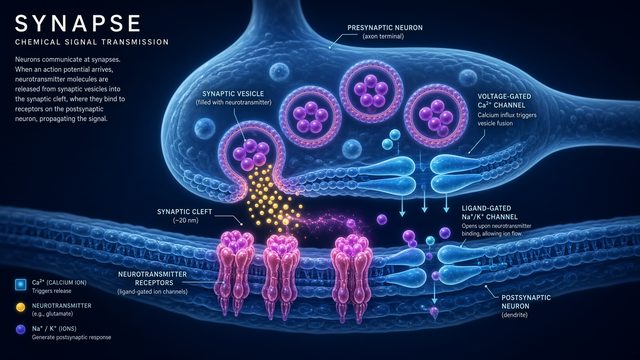
- Pattern separation: the dentate gyrus of the hippocampus transforms similar inputs into distinct neural codes, reducing overlap. Adult-born neurons in the dentate gyrus are thought to help with this, as shown in rodent studies, and aging and stress reduce this function, leading to more confusion between similar memories.
- Pattern completion: CA3 completes partial cues into full memories, which can retrieve the wrong memory when cues are shared.
- Prefrontal control: the prefrontal cortex helps select the relevant memory and inhibit competitors, as in Michael Anderson's studies of retrieval-induced forgetting.
- Competition in cortex: fMRI studies show that when two memories compete, the anterior cingulate and prefrontal cortex are more active and the reactivation of competing memories can be seen in sensory cortex.
- Reconsolidation: when a memory is reactivated, it becomes labile and can be altered by new information.
Interference and sleep
Sleep protects new memories from interference, partly by offering a period without new input and partly through consolidation. Studies have shown that learning followed by sleep leads to less retroactive interference than learning followed by an equal period of wakefulness. Learning something just before sleep can minimize interference.
Interference in aging and disease
Older adults are more susceptible to interference, as hippocampal pattern separation declines and frontal control weakens. Difficulty discriminating similar items, such as mistaking a similar lure for something seen before, is an early marker in mild cognitive impairment, and tasks that test it are used in research. Depression, stress and sleep loss also amplify interference.
How to reduce interference
- Space related topics apart, and avoid studying very similar content back-to-back, for example, two similar languages or two lookalike legal doctrines, one right after the other.
- Use distinctive cues, vivid images and unique associations for each item.
- Learn in different contexts, which provides cues to help separate memories, but also review in a consistent context before important tests.
- Sleep after learning, especially after studying complex material.
- Use retrieval practice to strengthen the correct memory so it wins the competition.
- Organize information in meaningful structures, which reduces the fan effect.
- Contrast similar items directly, noting how they differ.
- Use external aids for repetitive details like passwords, with a password manager.
- Take breaks during intense study sessions.
- For changed habits, make the change visible with reminders, for instance a sign on a new parking location.
Positive interference
Not all interference is harmful. Related knowledge can also facilitate learning, a phenomenon called positive transfer. Prior knowledge about a topic helps new learning, and similar skills can be learned faster.
Takeaway
Forgetting is often a competition problem. Reducing overlap, using distinctive cues and protecting sleep can help the right memory win.
Further reading from authoritative sources
- National Institute of Neurological Disorders and Stroke (NINDS)
- National Center for Complementary and Integrative Health (NCCIH)
This article is educational and does not replace advice from a licensed clinician. See the medical disclaimer. Looking for specialist care? Browse the neurology clinic directory.