Lifelong Learning and Brain Health: What the Evidence Says
People often hear that learning new skills keeps the brain young. The truth is nuanced but encouraging: mentally and socially engaging activities are associated with better cognitive outcomes, though no activity guarantees protection against dementia.
What the studies show
- Education: More years of formal education are consistently associated with lower dementia risk and better cognition in later life. Education may build reserve, though it could also reflect other advantages such as income and healthier environments.
- Complex work and leisure: People with intellectually demanding jobs, and those who read, play games, play music, or take part in social and creative activities, tend to show slower decline in observational studies. The Rush Memory and Aging Project found that frequent cognitive activity was linked with a lower risk of Alzheimer's disease.
- Late-life learning: In the Synapse Project, older adults who spent about 15 hours a week learning a demanding skill such as digital photography or quilting for three months showed improved episodic memory compared with those who did social or low-demand activities.
- Bilingualism and music training: both are associated with later onset of dementia symptoms in some studies.
- Caveats: Observational studies cannot prove causation, since healthier people may also be more likely to pursue activities. Randomized trials of cognitive training show benefits on trained tasks, with limited transfer to daily life.
How learning may help the brain
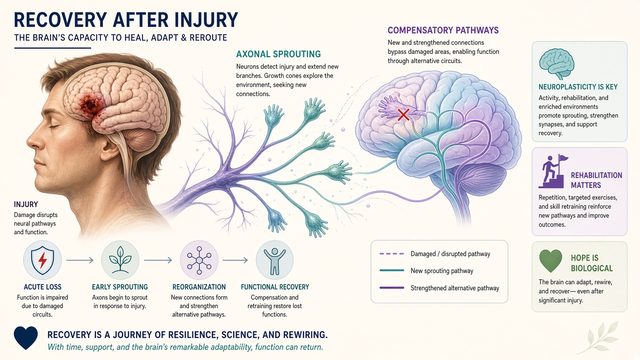
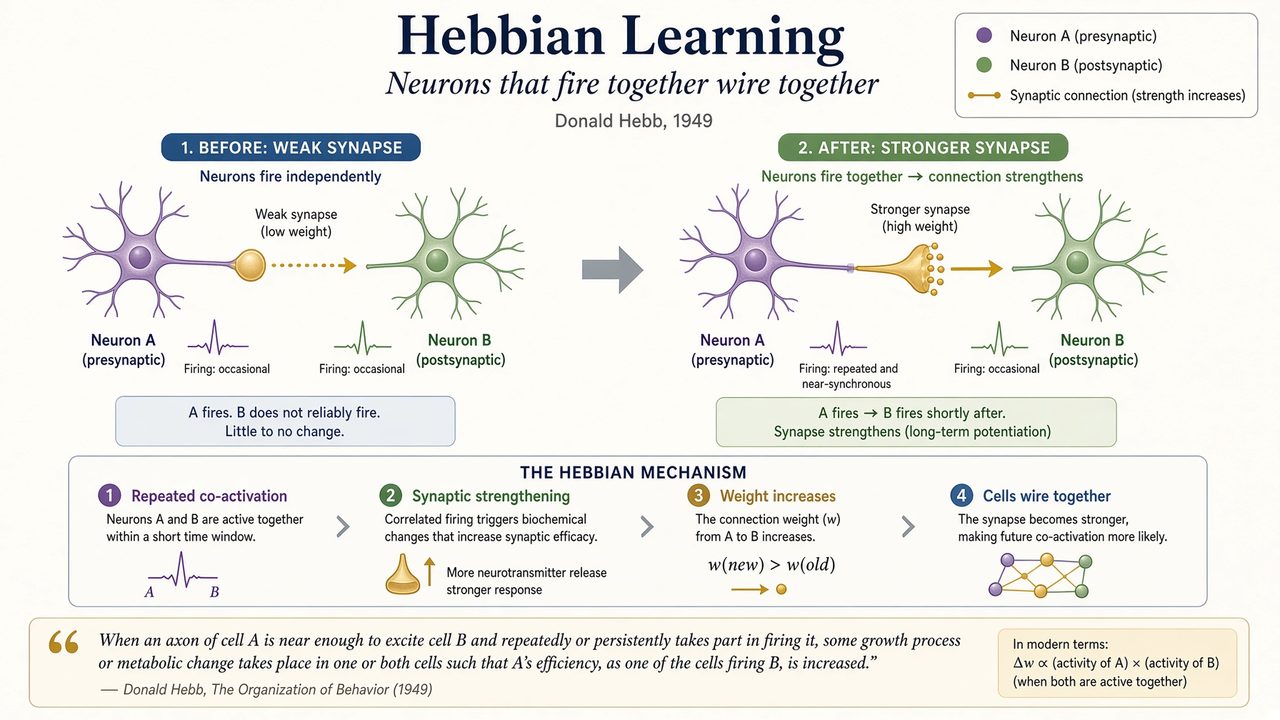
- Plasticity: learning strengthens synapses and in some cases changes structure, as imaging studies of people learning to juggle or navigate have shown.
- Cognitive reserve: efficient networks and compensatory strategies allow the brain to cope with damage for longer before symptoms appear.
- Brain-derived neurotrophic factor, released with physical and mental activity, supports neuron health.
- Social and emotional benefits: group learning combats isolation, which is a known risk factor for dementia.
- Purpose and mood: having goals protects wellbeing.

What makes learning effective for the brain
- Novelty: doing something new rather than repeating what you already know
- Challenge: tasks that stretch you but remain achievable
- Sustained effort over weeks and months
- Active engagement rather than passive consumption
- Social interaction: classes, clubs, volunteering and teaching others
- Variety: mixing physical, creative, intellectual and social pursuits
Ideas for lifelong learners
- Study a language or an instrument.
- Take a class at a community college or local library.
- Learn a craft, a sport or dance, which combine cognition and movement.
- Read widely and discuss with a group.
- Try volunteering in a role that teaches new skills.
- Learn to use new technology.
- Travel with an aim to learn about places and cultures.
- Teach or mentor others.
Realistic expectations
- Learning will not stop Alzheimer's disease, but may help the brain tolerate pathology.
- Commercial "brain training" apps show gains in the trained games, with limited evidence for broad benefits.
- Learning works best as part of a lifestyle that includes regular aerobic exercise, healthy diet, blood pressure and glucose control, good sleep, hearing correction when needed, and avoiding smoking and heavy drinking. The Lancet Commission on dementia identified a dozen or more modifiable risk factors that together might account for around 40 percent of dementia cases worldwide.
Starting later in life
It is never too late. Older adults can still learn new skills, though they may learn more slowly, and benefit from spaced practice, clear structure and encouraging environments. Self-compassion matters, since errors are part of learning.
When to seek help
If memory or thinking problems interfere with daily life, or if family members notice changes, a medical evaluation is appropriate. Many causes are treatable.
Takeaway
Keep learning because it enriches life and builds a more resilient brain. Pick activities you enjoy, challenge yourself, and combine them with healthy habits.
Further reading from authoritative sources
- National Institute of Neurological Disorders and Stroke (NINDS)
- National Center for Complementary and Integrative Health (NCCIH)
This article is educational and does not replace advice from a licensed clinician. See the medical disclaimer. Looking for specialist care? Browse the neurology clinic directory.