Frontal Lobe Functions: From Planning to Personality
The frontal lobes, behind the forehead, make up about a third of the cerebral cortex and are the brain's most recently developed region. They enable planning, decision-making, self-control, language production and voluntary movement, and are often tied to what we think of as personality.
Major regions
- Primary motor cortex and premotor areas: movement control
- Broca's area: speech production
- Dorsolateral prefrontal cortex: working memory, planning, reasoning, cognitive flexibility
- Ventromedial and orbitofrontal cortex: emotion regulation, value-based decisions, social behavior
- Anterior cingulate cortex: conflict monitoring and motivation
- Frontopolar cortex: managing multiple goals
Executive functions
- Planning and organizing
- Working memory: holding information in mind
- Inhibition: resisting impulses and distractions
- Cognitive flexibility: switching between tasks or rules
- Decision-making and judgment
- Self-monitoring: noticing and correcting errors
- Emotional regulation
- Social cognition: understanding norms

Phineas Gage
In 1848, railroad worker Phineas Gage survived an iron rod passing through his left frontal lobe. Reports said he became impulsive and irreverent, though later accounts suggest he recovered much function and the original descriptions were exaggerated. His case still helped establish the link between frontal damage and personality change.
Development
The prefrontal cortex matures last, into the mid-twenties, which helps explain adolescent risk-taking. Synaptic pruning and myelination refine its circuits. In aging, frontal regions often show early decline, making multitasking and processing speed harder.
Disorders
- Frontotemporal dementia: behavioral changes, apathy, disinhibition, or language problems
- Stroke and traumatic brain injury: frontal lobes are vulnerable to impact
- ADHD: differences in prefrontal and frontostriatal circuits
- Depression and schizophrenia: altered prefrontal function
- Addiction: impaired inhibitory control
- Frontal lobe epilepsy: often brief, bizarre seizures during sleep
- Dysexecutive syndrome: difficulty with planning, initiation and judgment
- Abulia: loss of motivation
Assessment and management
Neuropsychologists test executive function using tasks such as the Wisconsin Card Sorting Test and Trail Making Test. Treatment depends on the cause and may include cognitive rehabilitation, medication, and behavioral strategies such as checklists, routines and external reminders.
Strengthening frontal function
- Exercise, especially aerobic, which improves executive function
- Sleep, since sleep loss impairs prefrontal performance
- Mindfulness practice
- Challenging activities, such as learning an instrument or language
- Managing stress, which weakens prefrontal control
- Limit alcohol and protect your head
Why it matters in daily life
Frontal lobe skills are what let you manage a household, hold a job and keep relationships steady. When they falter, families often notice first: missed bills, poor judgment, or uncharacteristic behavior. Early evaluation matters, since conditions such as frontotemporal dementia are frequently mistaken for depression or midlife stress. Caregivers benefit from structured routines, clear instructions and professional support.
Questions researchers are asking
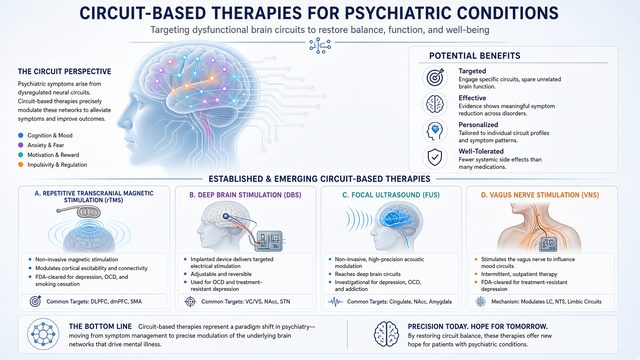
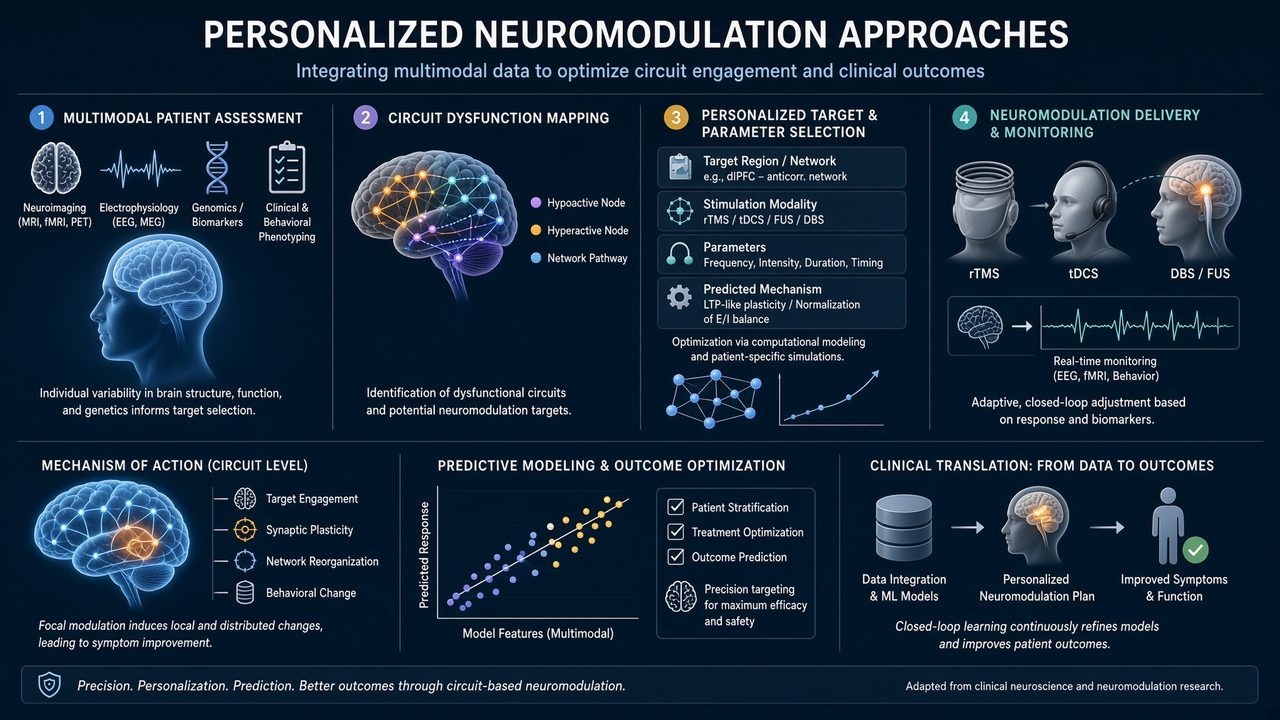
Researchers are exploring how brain stimulation, targeted cognitive training and exercise might strengthen prefrontal networks, and how genetic and imaging markers could detect frontotemporal disease earlier. Studies of adolescent development are also examining how supportive environments help prefrontal circuits mature, with implications for education and mental health.
Takeaway
The frontal lobes give us the capacity to plan, choose and reflect. Caring for them supports independence throughout life.
Further reading from authoritative sources
This article is educational and does not replace advice from a licensed clinician. See the medical disclaimer. Looking for specialist care? Browse the neurology clinic directory.