Neuroplasticity 101: How the Brain Rewires Itself
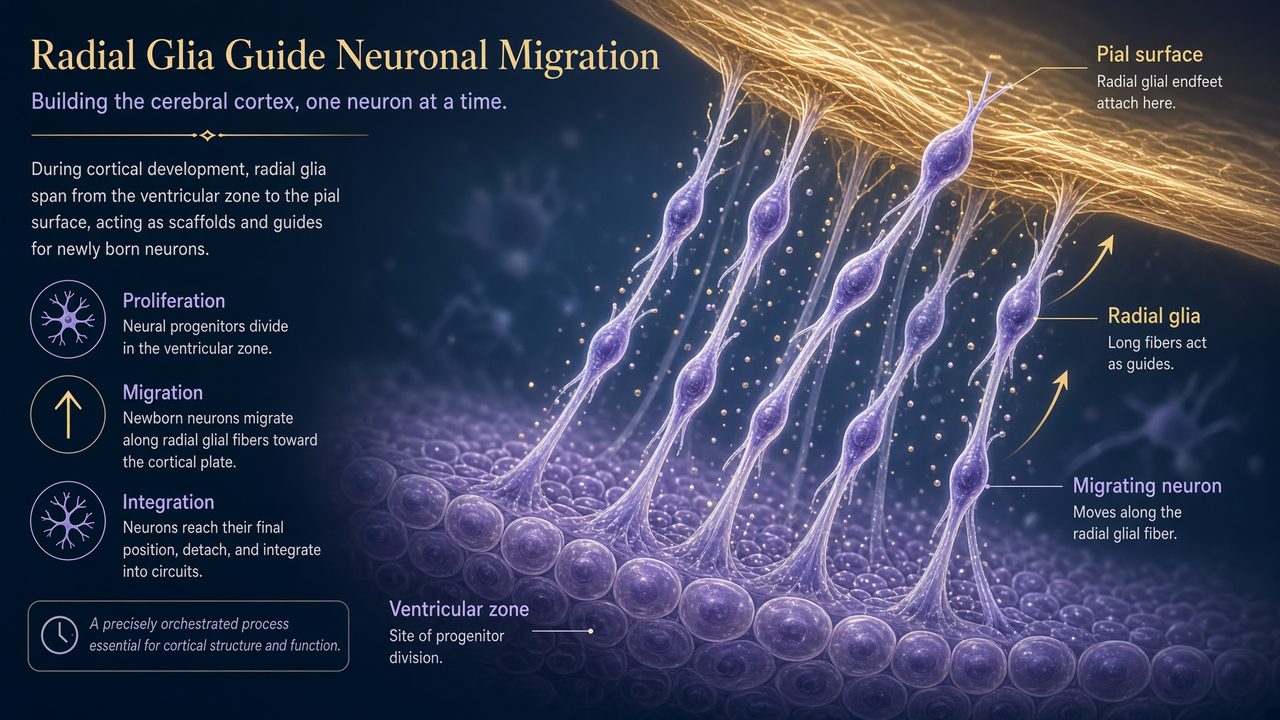
For much of the twentieth century, scientists believed the adult brain was essentially fixed. We now know that the nervous system changes throughout life. This ability to reorganize connections in response to experience, learning or injury is called neuroplasticity.
Two main kinds of change
Synaptic plasticity
The most basic form involves changes in the strength of connections between neurons. When two neurons are repeatedly active together, the synapse between them often becomes more efficient. This idea, associated with psychologist Donald Hebb, is often summarized as "cells that fire together wire together." Cellular processes known as long-term potentiation and long-term depression strengthen and weaken synapses and are thought to underlie learning.
Structural plasticity
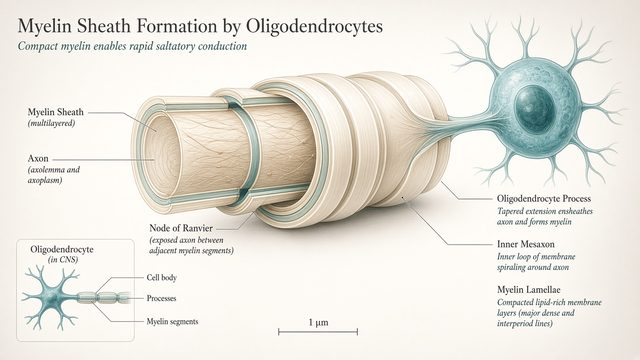
Over longer periods, the brain can grow new dendritic spines, prune connections that are rarely used, and change how white-matter pathways are insulated. Imaging studies show structural differences in people with extensive training, such as musicians, and in people who learn a new complex skill for several weeks or months.
Critical periods and lifelong learning
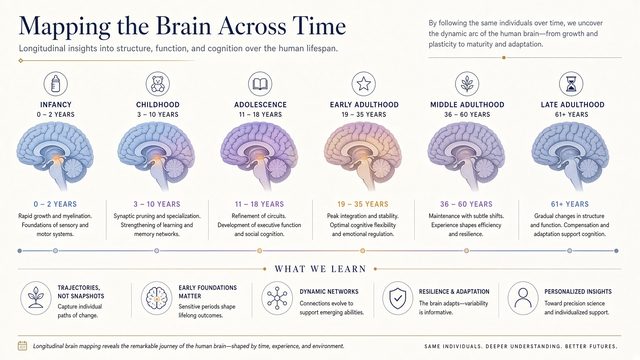
Plasticity is especially high in early life. Certain systems, including vision and language, have critical periods when specific experiences are needed for normal development. A child whose eye is not used during these years, for example, may develop poor vision in that eye unless the problem is corrected early.
Plasticity does not vanish in adulthood, but it is more tightly regulated. Adults can still learn languages, instruments and skills, though it often takes more deliberate effort. Researchers are exploring ways to reopen heightened plasticity, which may eventually help rehabilitation.
Plasticity after injury
After a stroke, neighboring brain regions can take over some lost functions, and undamaged pathways can strengthen. Rehabilitation therapies capitalize on this by encouraging intensive, repeated and task-specific practice. Examples include constraint-induced movement therapy and speech therapy for aphasia. Recovery is usually fastest in the first weeks to months but can continue for much longer with continued training.
When plasticity works against you
Maladaptive plasticity occurs when the brain reorganizes in ways that cause problems:
- Chronic pain can develop when pain pathways become more sensitive over time.
- Phantom limb sensations may involve reorganization of the sensory map after amputation.
- Tinnitus is thought by many researchers to involve altered activity in auditory pathways.
- Addiction involves lasting changes in reward circuits.
Understanding this has led to treatments aimed at retraining the brain, such as graded exposure, cognitive behavioral therapy and certain rehabilitation techniques.
What promotes healthy plasticity
Research points to a handful of influences:
- Challenging, novel practice. Learning that is slightly beyond your current level, with feedback, drives the most change.
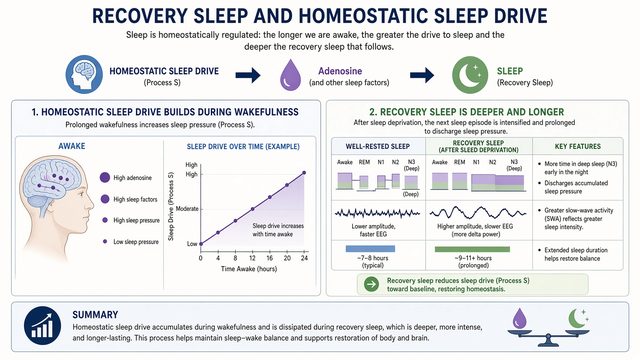
- Sleep. Sleep supports consolidation of new connections.
- Aerobic exercise. It increases growth factors such as BDNF in animal studies and is associated with better learning in people.
- Social and intellectual engagement. Rich environments are linked with better cognitive outcomes.
- Managing stress. Prolonged high stress can impair plasticity in memory-related regions.
Myths to avoid
You do not use only ten percent of your brain, and no single app or supplement can reliably "rewire" it. Commercial brain-training games often improve performance on the trained tasks but show limited transfer to everyday skills. The best-supported way to change the brain remains practicing the actual skill you want to improve, consistently, over time.
Further reading from authoritative sources
This article is educational and does not replace advice from a licensed clinician. See the medical disclaimer. Looking for specialist care? Browse the neurology clinic directory.