Parenting and the Developing Brain
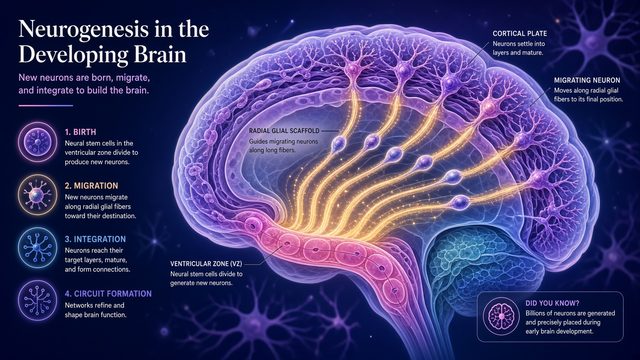
The first years of life involve staggering brain growth, with more than a million new neural connections forming each second in early childhood. The experiences children have, especially with caregivers, shape how those connections form.
Serve and return
The Center on the Developing Child at Harvard describes serve and return interactions: a child babbles, gestures or cries, and the adult responds with eye contact, words or touch. These back-and-forth exchanges build neural circuits for communication, social skills and emotional regulation. Language exposure matters: studies by Betty Hart and Todd Risley, and more recent work by Meredith Rowe and others, show that the quality of interaction, particularly conversational turn-taking, matters more than the simple number of words.
Stress and the developing brain
- Positive stress: brief, manageable challenges with supportive adults, such as a first day of school, build coping skills.
- Tolerable stress: serious but temporary events, buffered by caring adults, such as a family illness.
- Toxic stress: strong, frequent or prolonged adversity without adequate support, such as abuse, neglect or household violence, can disrupt development of the amygdala, hippocampus and prefrontal cortex, and the stress response system, and is linked to later health and learning problems. The Adverse Childhood Experiences (ACE) study shows a graded relationship between adversity and adult health outcomes.
- Buffering: at least one stable, committed relationship with a supportive adult is a key protective factor.

Brain development highlights
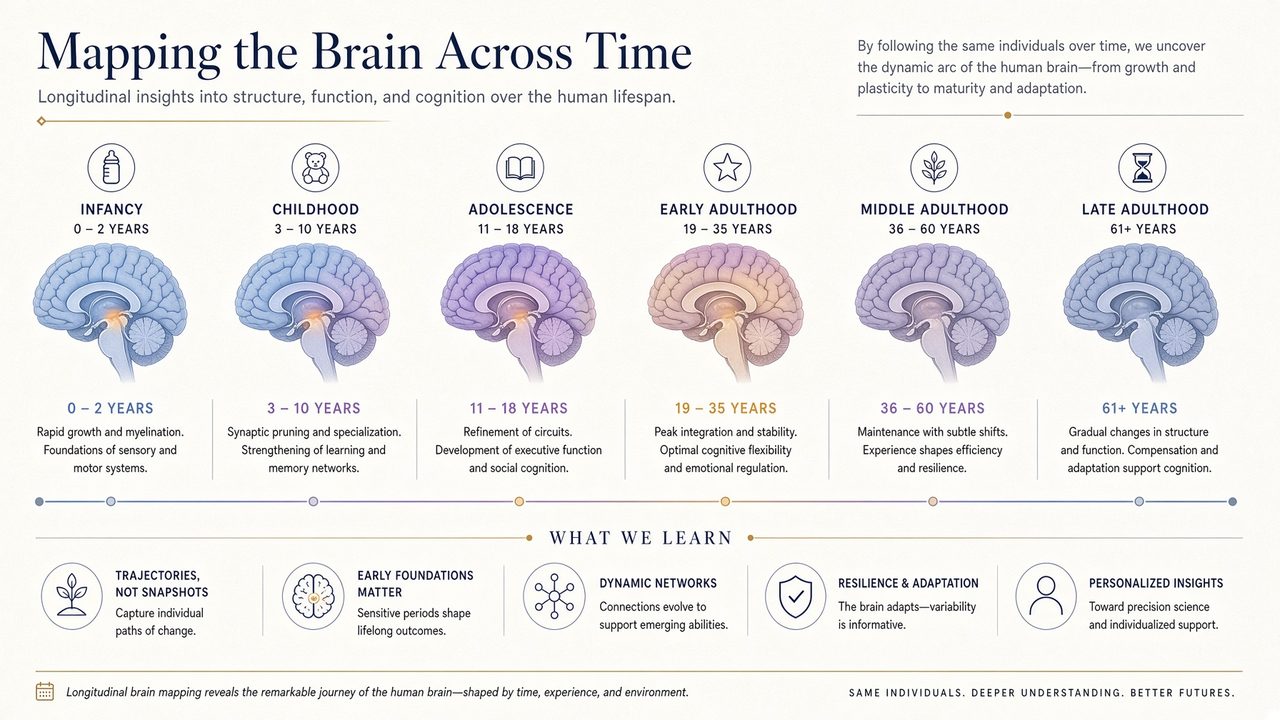
- Sensitive periods: windows for vision, language and emotional development, when experience has an especially strong effect. Brain plasticity continues throughout life but is highest early.
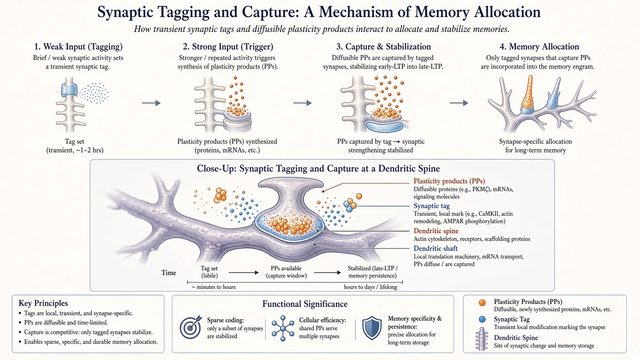
- Pruning: the brain strengthens connections that are used and prunes those that are not.
- Prefrontal cortex: matures slowly into the mid-20s, so children and teens need external support for self-control.
- Executive function: working memory, flexible thinking and self-control are built through practice and supportive interactions.
What parents can do
- Respond sensitively, knowing that you cannot hold a baby too much.
- Talk, read and sing daily, even to babies.
- Play together, following the child's lead.
- Establish routines for meals, sleep and transitions, which provide predictability.
- Use warm, firm discipline: authoritative parenting, characterized by warmth and clear expectations, is associated with better outcomes than harsh or permissive styles. Harsh physical punishment is linked to worse behavior and mental health outcomes, according to meta-analyses and the American Academy of Pediatrics.
- Name and validate emotions, and coach problem solving.
- Protect sleep: children need age-appropriate sleep for learning and mood.
- Limit and co-view screens, and prioritize interactive activities for young children.
- Support physical activity and nutrition.
- Model self-regulation, since children learn by watching.
- Take care of yourself: parental stress, depression and anxiety affect children, and treating parents helps kids. Ask for help from partners, family, community and professionals.
- Seek help early for developmental concerns, as early intervention is effective.
No perfect parents
Donald Winnicott's idea of the "good enough" parent holds that perfection is unnecessary and that mistakes followed by repair teach resilience. Research suggests that parents attuned to their children's signals only a fraction of the time still raise securely attached children.
Takeaway
Brains are built through relationships. Consistent, loving interactions are among the most important investments in a child's development.
Further reading from authoritative sources
- National Institute of Mental Health (NIMH)
- National Center for Complementary and Integrative Health (NCCIH)
This article is educational and does not replace advice from a licensed clinician. See the medical disclaimer. Looking for specialist care? Browse the neurology clinic directory.