Pituitary Gland: The Brain's Hormonal Command Center
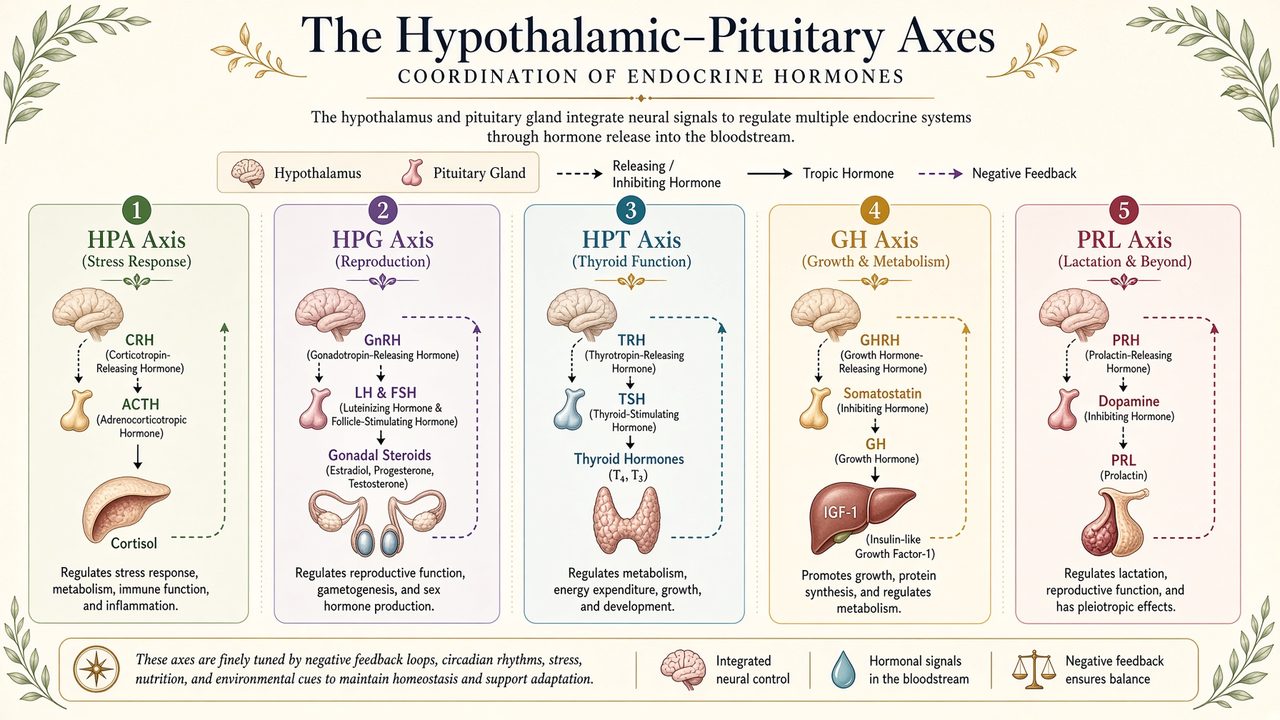
About the size of a pea, the pituitary gland sits in a small bony hollow at the base of the skull, connected to the hypothalamus by a thin stalk. It releases hormones that regulate growth, metabolism, reproduction, stress and water balance, which is why it was once called the "master gland." Today we know it takes direction from the hypothalamus.
Two lobes, two jobs
Anterior pituitary
This lobe makes and releases hormones in response to releasing hormones from the hypothalamus:
- Growth hormone (GH) drives growth in childhood and supports metabolism and body composition in adults.
- Thyroid-stimulating hormone (TSH) tells the thyroid to produce thyroid hormones.
- Adrenocorticotropic hormone (ACTH) stimulates the adrenal glands to release cortisol.
- Luteinizing hormone (LH) and follicle-stimulating hormone (FSH) control ovaries and testes.
- Prolactin promotes milk production.
Posterior pituitary
This lobe stores and releases two hormones made in the hypothalamus: oxytocin, involved in childbirth, lactation and bonding, and vasopressin (antidiuretic hormone), which helps kidneys conserve water.
Feedback loops
Most pituitary hormones are controlled by negative feedback. When thyroid hormone levels rise, for example, the hypothalamus and pituitary reduce TSH output. This keeps hormone levels within a narrow range. Disruption at any point of the hypothalamus-pituitary-target gland chain can cause disease.

Common disorders
- Pituitary adenomas are mostly benign tumors. Some secrete excess hormone, and large ones can press on the optic chiasm, causing loss of peripheral vision.
- Prolactinoma is the most common functioning tumor, causing irregular periods, infertility and milk discharge, and is usually treated with medication such as cabergoline.
- Acromegaly results from excess growth hormone in adults, causing enlarged hands, feet and facial features.
- Cushing's disease results from ACTH-secreting tumors, causing weight gain, high blood pressure and bruising.
- Hypopituitarism is underproduction of one or more hormones, from tumors, surgery, radiation, head injury or bleeding (pituitary apoplexy).
- Diabetes insipidus involves too little vasopressin, causing extreme thirst and large volumes of dilute urine.
- Growth hormone deficiency in children causes short stature.
Symptoms that warrant evaluation
Persistent headaches with vision changes, unexplained fatigue, loss of periods, sexual dysfunction, unexplained weight changes, excessive thirst and urination, or changes in hand and foot size should be discussed with a clinician.
Diagnosis and treatment
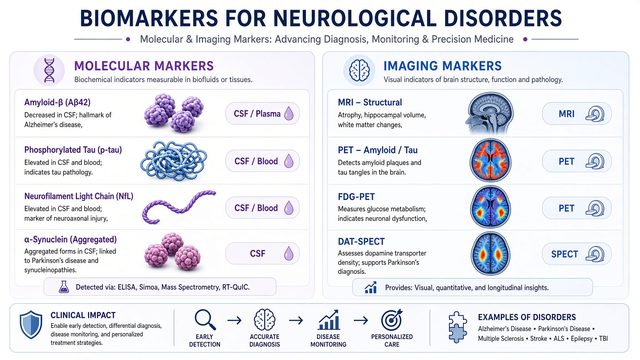
Endocrinologists test hormone levels, sometimes with stimulation or suppression tests, and MRI images the gland. Treatment may include medication, transsphenoidal surgery through the nose, radiation, or hormone replacement. Many tumors respond well to treatment, and specialized pituitary centers offer coordinated care between endocrinology, neurosurgery and ophthalmology.
Brain connections
Because the pituitary is wired to the hypothalamus, mood, sleep, stress and appetite influence its output, and hormone imbalances can affect mood, memory and energy in return.
Living with a pituitary condition
Most pituitary tumors are slow growing and treatable, and many people return to normal life. Long-term follow-up usually includes periodic hormone testing and MRI. People who need lifelong hormone replacement are advised to carry medical identification and to follow "sick day" guidance on steroid dosing from their endocrinologist. Support organizations offer information and peer connection for patients and families.
Takeaway
The pituitary is small but pivotal. Knowing its role helps in recognizing the hormonal basis of symptoms that might otherwise seem unrelated.
Further reading from authoritative sources
This article is educational and does not replace advice from a licensed clinician. See the medical disclaimer. Looking for specialist care? Browse the neurology clinic directory.