The Fornix: A Highway Through the Limbic System
The fornix is a small, arching bundle of nerve fibers, about the width of a pencil, that carries signals out of the hippocampus. Its name comes from the Latin for arch. Though modest in size, it is a critical highway in the brain's memory circuitry.
Anatomy
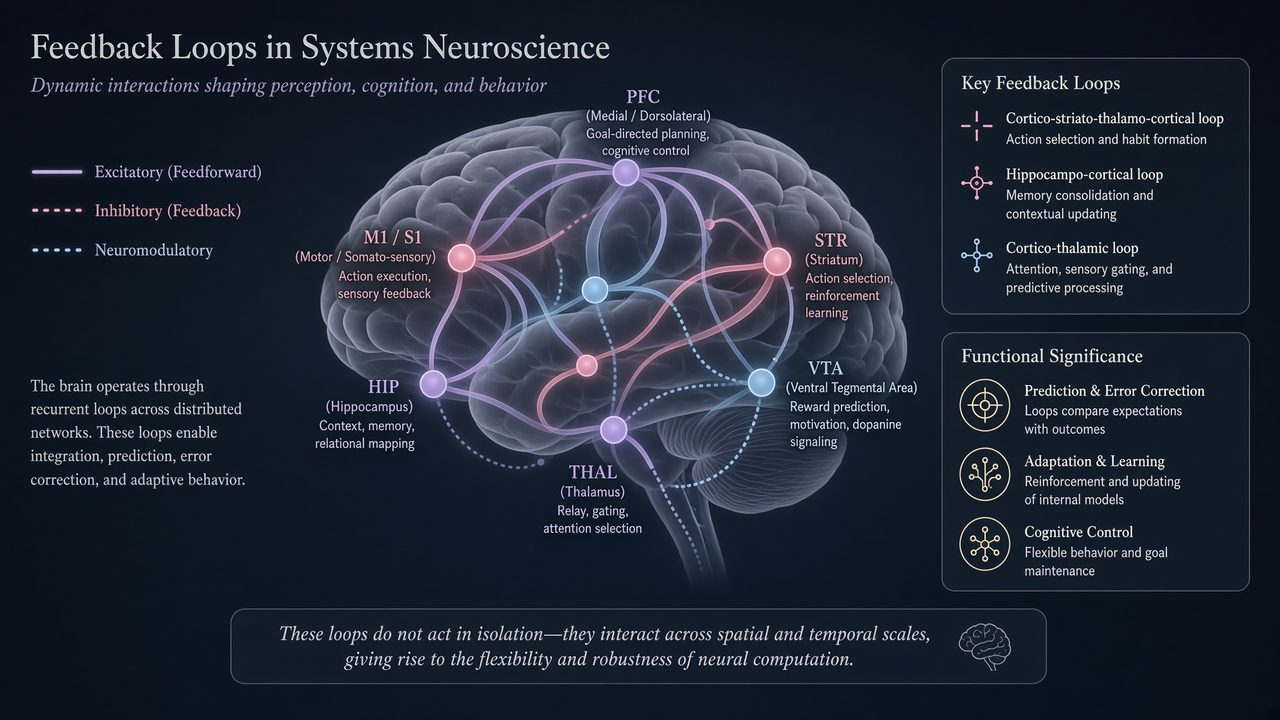
The fornix contains about 1.2 million fibers. It begins as the fimbria along the hippocampus and continues as the crura, which curve upward and join to form the body beneath the corpus callosum. It then splits into the columns, which arch down in front of the thalamus toward the mammillary bodies in the hypothalamus. Some fibers go to the anterior thalamic nuclei, septal nuclei and nucleus accumbens. It forms part of the Papez circuit, a loop linking hippocampus, mammillary bodies, thalamus, cingulate cortex and back to the hippocampus.
What it does
The fornix carries information that supports episodic memory, the recollection of specific events. It also carries signals related to spatial navigation, and brings cholinergic input from the septal area back to the hippocampus, which supports learning.

Damage
- Surgical injury, for example while removing colloid cysts or tumors in the third ventricle, can cause memory impairment. Memory loss is greater with bilateral damage.
- Stroke, especially affecting small vessels in the region
- Traumatic brain injury, where the fornix can be injured by shear forces
- Multiple sclerosis and other white matter diseases
- Wernicke-Korsakoff syndrome, involving mammillary bodies and associated pathways
- Epilepsy surgery that disconnects the hippocampus
Patients with fornix damage often show difficulty forming new episodic memories, with relatively preserved intelligence and other cognitive abilities.
Imaging
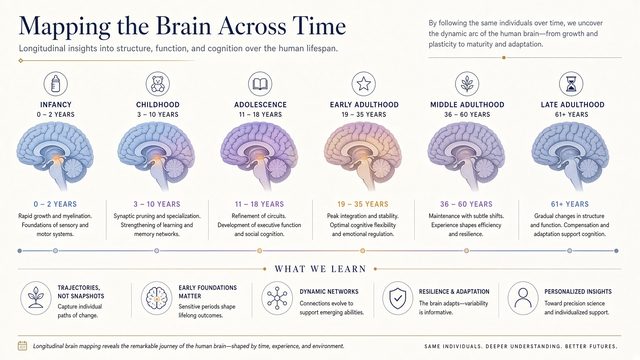
Diffusion tensor imaging can estimate fornix integrity. Studies found that lower fornix integrity relates to worse memory performance in healthy aging, and decreased fornix volume or integrity has been found early in mild cognitive impairment and Alzheimer's disease, sometimes predicting later conversion. These measurements are used in research rather than as standard clinical tests.
Deep brain stimulation
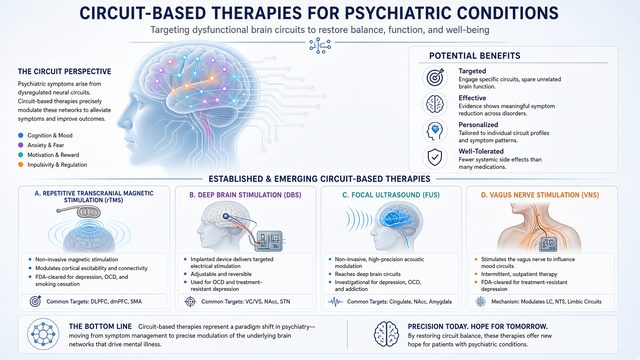
Because the fornix drives hippocampal activity, researchers have stimulated it in attempts to improve memory. The ADvance trial of fornix deep brain stimulation in mild Alzheimer's disease reported that the approach was safe, and some participants, particularly those aged 65 and older, showed signs of slower decline, though the overall primary outcome was not clearly positive. It remains experimental, and further studies are exploring who might benefit. Stimulation has also been studied in obesity, depression and epilepsy.
Memory networks
The fornix works alongside the cingulum bundle, uncinate fasciculus and other pathways. Memory arises from distributed networks, so loss of one tract may be partially compensated, but its small size makes it vulnerable to focal damage.
Protecting memory circuits
- Control blood pressure, diabetes and cholesterol to protect small vessels.
- Wear helmets in activities with head injury risk.
- Avoid heavy alcohol use and ensure adequate thiamine.
- Stay physically active, which supports white matter integrity.
- Get treatment for sleep apnea and depression.
Takeaway
The fornix shows that the connections between regions matter as much as the regions themselves. A small bundle can have outsized effects on memory when it is damaged.
Further reading from authoritative sources
This article is educational and does not replace advice from a licensed clinician. See the medical disclaimer. Looking for specialist care? Browse the neurology clinic directory.