How Psychotherapy Changes Neural Circuits
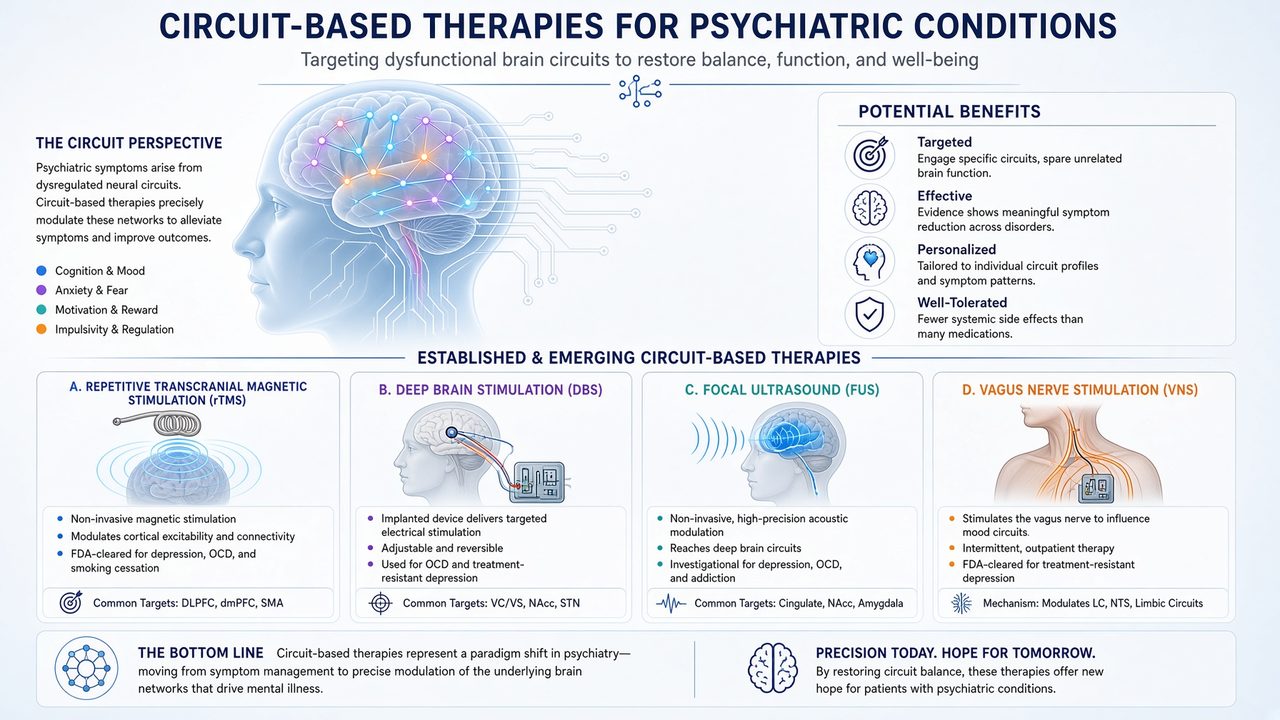
Talking therapy produces real effects on the brain. Because therapy is a form of learning in a supportive relationship, it uses the same plasticity mechanisms that underlie any lasting change in thought and behavior.
Therapy as learning
Eric Kandel argued in a landmark paper that psychotherapy produces learning that leads to changes in gene expression and synaptic connections, as in other forms of learning. Mechanisms include:
- Extinction and new learning: exposure-based therapies create new safety memories mediated by prefrontal-amygdala circuits.
- Memory reconsolidation: when memories are reactivated in a safe context, they may be updated with new emotional meaning, a mechanism proposed to underlie some therapeutic change, though human evidence is still developing.
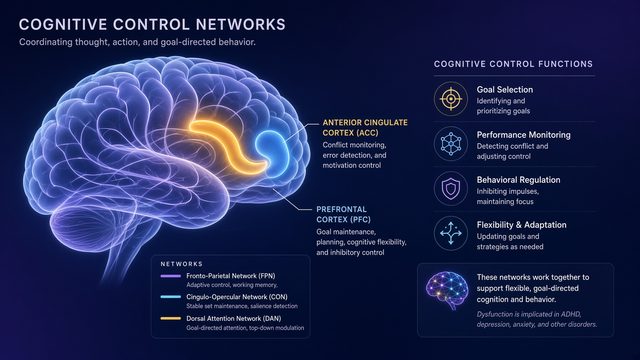
- Cognitive regulation: repeated practice of reappraisal strengthens prefrontal control over emotional circuits.
- Habit change: behavioral techniques reshape reward and habit circuits.
- Attention and self-awareness: mindfulness-based approaches influence the default mode network, insula and prefrontal regions.
Evidence across therapies
- CBT and exposure therapy: reduced amygdala reactivity, increased prefrontal engagement, and normalized activity in anxiety and OCD.
- Interpersonal therapy: studies suggest changes in regions linked to social processing and emotion, though research is limited.
- Psychodynamic therapy: small studies show changes in frontolimbic activity and connectivity in depression and borderline personality disorder.
- Mindfulness-based cognitive therapy: associated with changes in prefrontal and insular activity, and reduced rumination.
- Trauma-focused therapies: treatment responders show increased hippocampal volume and prefrontal activity, with decreased amygdala reactivity in studies of PTSD, as in research on EMDR and prolonged exposure.
- Structural changes: some studies find increased gray matter in regions such as the hippocampus and prefrontal cortex after therapy, though sample sizes are small and replication is needed.
- Predicting response: imaging features such as baseline amygdala or insula activity may predict who benefits from particular therapies, but are not ready for clinical use.

The relationship matters
Across therapies, the therapeutic alliance, the quality of collaboration, trust and agreement on goals, is one of the strongest predictors of outcome. A safe relationship may engage social buffering mechanisms, including oxytocin and vagal regulation, and make learning new emotional responses possible. Studies of brain-to-brain synchrony between therapists and clients, using physiological and neural measures, are early but intriguing.
Therapy and medication
Psychotherapy and medication can be complementary. Therapy may boost plasticity in a more durable way for skills and coping, while medication can reduce symptoms enough to allow people to engage. Combined approaches are common for moderate to severe depression, OCD and PTSD.
Getting the most from therapy
- Choose a therapist with appropriate training and experience, and evidence-based methods for your problem.
- Discuss goals and how progress will be measured.
- Give feedback about what is and is not working.
- Practice between sessions.
- Support the learning process: sleep, exercise and limiting alcohol aid consolidation.
- Be patient and consistent.
- If it is not working after a reasonable trial, discuss changing approach or therapist.
Takeaway
Psychotherapy is a biological intervention as well as a psychological one. Through learning, relationships and practice, it reshapes the circuits that regulate emotion and behavior.
Further reading from authoritative sources
- National Institute of Mental Health (NIMH)
- National Center for Complementary and Integrative Health (NCCIH)
This article is educational and does not replace advice from a licensed clinician. See the medical disclaimer. Looking for specialist care? Browse the neurology clinic directory.