Biofeedback Apps and Wearables: Do They Deliver?
Smartwatches, rings, chest straps and phone apps now offer breathing guides, heart rate variability scores and stress readings. They bring biofeedback into daily life, and the key question is whether they help.
What they measure
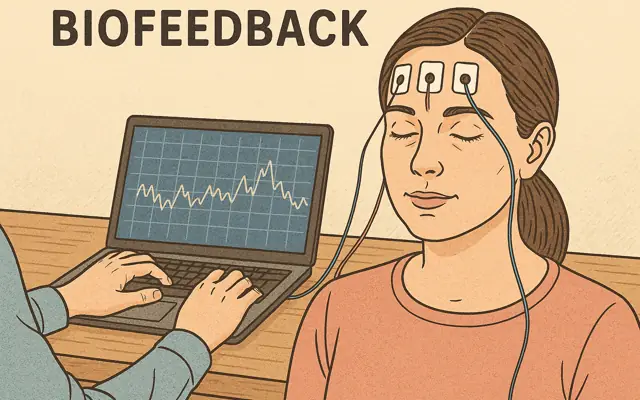
- Heart rate and heart rate variability: the variation in time between heartbeats, measured with optical sensors or chest straps. Chest straps with electrocardiography tend to be more accurate than wrist optical sensors, especially during movement.
- Breathing: estimated from heart signals, motion or dedicated belts.
- Skin conductance and temperature: reflect arousal in some devices.
- Sleep and activity: estimated from motion and heart rate.
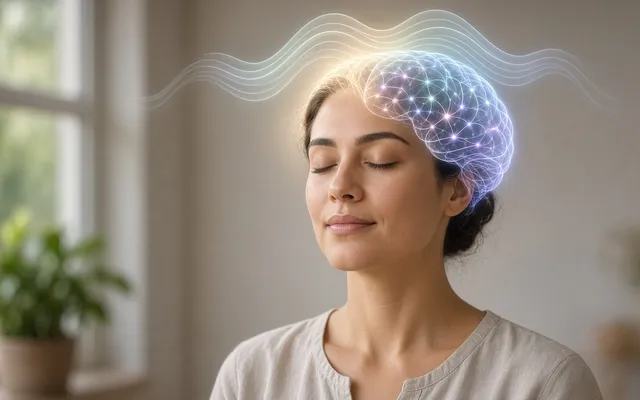
- Brain activity: headbands with a few EEG sensors for meditation or sleep.
What apps do
Apps typically guide slow paced breathing at about six breaths per minute while showing your heart rate rising and falling in sync, a pattern called resonance breathing. They give stress or recovery scores, haptic prompts to pause, and trend graphs. Some integrate meditation, sleep sounds or coaching.
Evidence
Research on clinical heart rate variability biofeedback finds reductions in anxiety, stress and depressive symptoms, and some benefits for blood pressure and performance, though study quality varies. A meta-analysis by Lehrer and colleagues reported moderate effects on stress and anxiety. Evidence for consumer apps specifically is thinner. Some randomized trials of mobile biofeedback and breathing apps show improved stress and sleep measures, and others show little advantage over simple relaxation. The proprietary scores that many wearables report, such as stress or readiness, are often not validated against clinical measures.
Limitations
- Accuracy: wrist sensors can be affected by motion, skin tone, tattoos, fit and cold hands.
- Score interpretation: scores differ between brands and may be misleading.
- Anxiety about numbers: some people become preoccupied with metrics, which can increase stress.
- Engagement: many people stop using apps within weeks.
- Privacy: health data may be shared with third parties, so read privacy settings.
- Not a diagnosis: wearables can flag irregular rhythms, but are not a substitute for medical evaluation.
Using them well
- Practice daily, even for 5 to 10 minutes, since skill builds with repetition.
- Pair with technique: breathe slowly and comfortably, and relax your shoulders.
- Track how you feel, not just the number.
- Use consistent conditions such as resting in the morning when comparing readings.
- Take breaks from tracking if it becomes stressful.
- Consult a clinician for persistent anxiety, sleep problems, palpitations or chest pain.
Who may benefit
People with everyday stress, mild sleep difficulty, or an interest in performance and recovery may find these tools helpful as a starting point. People with panic disorder, heart rhythm conditions or severe depression should use them only alongside care from a clinician, and should seek help if symptoms worsen.
Costs
Many apps are free with in-app purchases, while dedicated devices range widely in price. A low-cost chest strap and a free breathing app can deliver most of the practical benefit.
Takeaway
Apps and wearables can make biofeedback accessible, and the practice, not the gadget, creates the benefit. Treat their numbers as rough guides.
Further reading from authoritative sources
- National Institute of Neurological Disorders and Stroke (NINDS)
- National Center for Complementary and Integrative Health (NCCIH)
This article is educational and does not replace advice from a licensed clinician. See the medical disclaimer. Looking for specialist care? Browse the neurology clinic directory.