How Technology Affects Sleep and Brain Recovery
Sleep is when the brain consolidates memory and clears waste, and technology can both interfere with it and support it. Understanding how can help you keep devices from stealing your rest.
How technology interferes
- Light exposure: bright, blue-rich light in the evening can delay the circadian clock and suppress melatonin, as shown in laboratory studies.
- Mental stimulation: exciting games, work emails, social media or news increase arousal and delay sleep onset.
- Displacement: screen time replaces sleep, particularly in teens who stay up late. Surveys show that adolescents with heavy evening device use sleep less.
- Notifications: alerts wake people or fragment sleep, and checking phones at night is common.
- Social pressure: fear of missing out keeps people connected.
- Stress and blurred boundaries: work messages late at night.
- Large studies: a systematic review found that bedtime media use was associated with inadequate sleep quantity and quality in children and adolescents, and a trial found that adults who used light-emitting devices before bed took longer to fall asleep.
Technology that can help
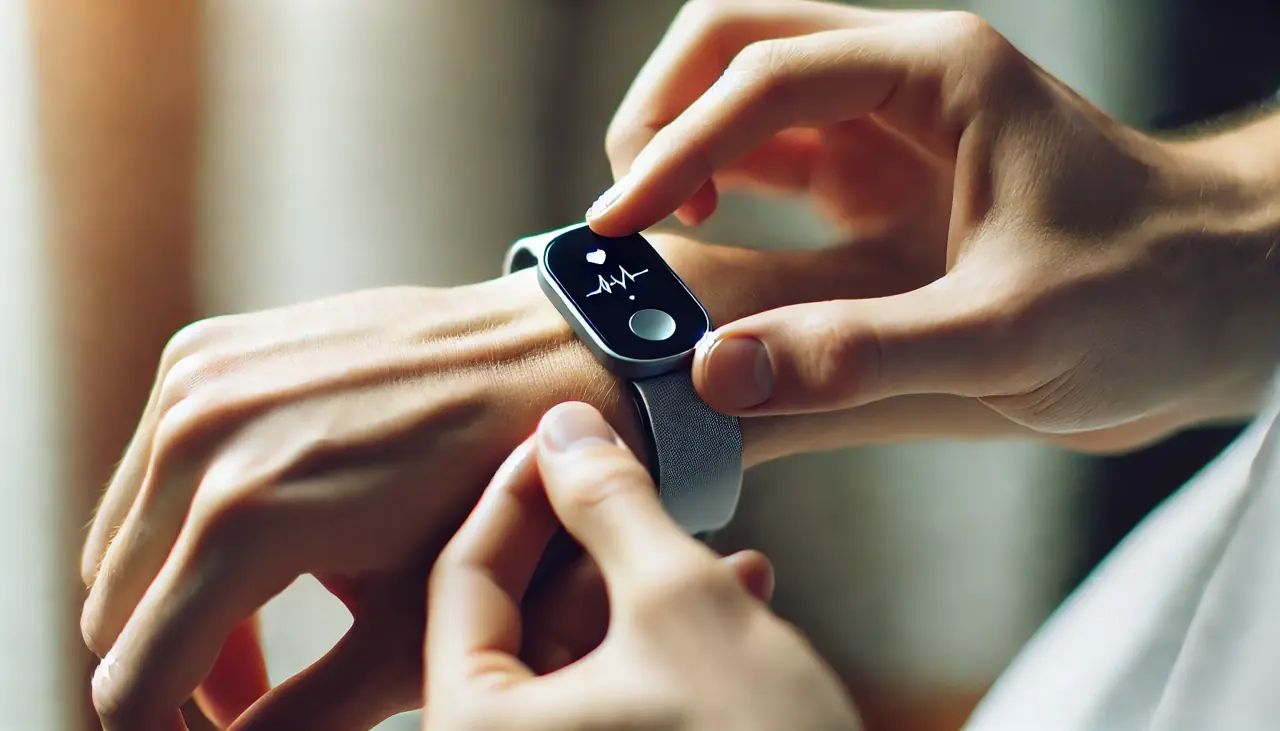
- Sleep tracking: wearables can show sleep patterns and motivate healthier behavior, but they are imperfect, and obsessing over data can cause anxiety, sometimes called orthosomnia.
- Digital CBT for insomnia: apps such as Sleepio deliver strong, evidence-based therapy.
- Relaxation tools: guided breathing, meditation and sleep sounds.
- Smart lighting and thermostats: that dim lights and cool rooms in the evening.
- Do-not-disturb modes and bedtime schedules.
- Light alarm clocks and morning light exposure.

Brain recovery
Slow wave sleep supports waste clearance by the glymphatic system and consolidates memories, and REM sleep supports emotional processing. Chronic sleep loss impairs attention, mood and memory and may raise long-term risks for cognitive decline. After concussion or illness, protecting sleep supports recovery, so a calm digital environment matters.
A tech routine for better sleep
- Set a screen curfew one hour before bed.
- Charge devices outside the bedroom, or use airplane mode or silent settings.
- Use warm, dim lighting in the evening, and night mode if you must use screens.
- Keep content calming such as music, audio books or light reading.
- Do not use the bed for work or scrolling.
- Use an old-fashioned alarm clock if the phone is a temptation.
- Get morning light and daytime activity.
- Limit caffeine and stimulants.
- Be consistent, including on weekends.
- If you wake at night, avoid checking the time and the phone.
- See a clinician if insomnia lasts more than a few weeks or you snore loudly or feel excessively sleepy.
For parents and teens
Families can agree on a shared charging station outside bedrooms, consistent weekday and weekend bedtimes, and a conversation about why sleep matters for mood, sports and school. Teens are more likely to follow rules they helped create, and parents who follow the same rules set a stronger example.
Quick checks
If you notice that you scroll in bed, feel tired in the morning or need your phone to fall asleep, treat these as signals to adjust your routine, and talk with a clinician if the pattern continues.
Takeaway
Technology can steal or support sleep. A consistent screen boundary and calm evening routine give your brain the recovery it needs.
Further reading from authoritative sources
- National Institute of Neurological Disorders and Stroke (NINDS)
- National Center for Complementary and Integrative Health (NCCIH)
This article is educational and does not replace advice from a licensed clinician. See the medical disclaimer. Looking for specialist care? Browse the neurology clinic directory.