Smartphone Apps for Brain Health: A Critical Look
Open an app store and you will find thousands of programs promising to sharpen your memory, calm your mind and protect your brain. A few are backed by solid research, and many are not.
Brain training apps
Cognitive training apps improve performance on the practiced tasks, but transfer to everyday thinking is limited. In 2016, the U.S. Federal Trade Commission fined Lumosity two million dollars for deceptive advertising claims. In 2014, an open letter signed by about 70 scientists argued that the evidence for brain games was weak, though another group of scientists disputed that stance. The ACTIVE trial suggests that certain speed-of-processing training may have lasting effects, and in 2021 the FDA authorized a video game-based treatment, EndeavorRx, for children with ADHD, showing that carefully tested games can be therapeutic.
Meditation and mindfulness apps
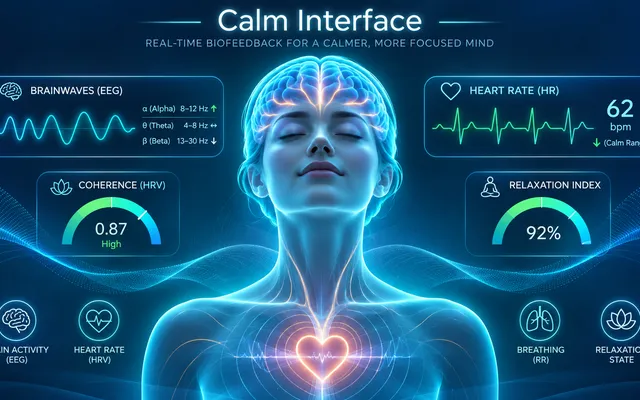
Randomized trials of apps such as Headspace and Calm show modest reductions in stress, anxiety and depressive symptoms and improved wellbeing compared with waitlist or control. Effects are small and depend on engagement.

Sleep and CBT apps
Digital cognitive behavioral therapy for insomnia, such as Sleepio, has strong evidence from many trials, and it is recommended in guidelines. Several digital therapeutics for insomnia have received regulatory clearance. Apps for depression and anxiety based on cognitive behavioral therapy show benefits, especially with human support.
Memory and cognitive screening apps
Some apps screen for cognitive impairment, but they should not be used for self-diagnosis, and results need clinical interpretation. Reminder and organization apps can be genuinely helpful for people with memory problems.
Fitness and nutrition apps
Apps that encourage physical activity and sleep tracking can support healthy habits, which benefit the brain, though trackers can be inaccurate and may cause anxiety.
Privacy and safety risks
Mental health and wellness apps often collect sensitive information, and investigations by groups such as Mozilla found that many share data with third parties. Check privacy policies, permission requests and whether data may be sold. Avoid apps that require unnecessary access to contacts or location.
How to choose
- Look for peer-reviewed trials and regulatory clearance for medical claims.
- Be wary of promises to prevent dementia or raise IQ.
- Check who made it: reputable universities, health systems and companies with clinical teams.
- Review privacy practices.
- Consider cost and subscriptions.
- Try it, and monitor outcomes: if it does not help or causes stress, stop.
- Use apps as a supplement, not a substitute for care, and talk to a clinician if you have symptoms.
- Mind screen time, especially near bedtime.
Building a healthy digital routine
Use apps for a defined purpose, such as a guided sleep program for eight weeks, instead of collecting many tools. Turn off nonessential notifications, avoid screens shortly before bed and check in with yourself regularly about whether an app improves how you feel or function. If an app triggers worry or compulsive checking, take a break.
Takeaway
A few apps deliver real therapeutic benefit, and many are mostly marketing. Choose evidence-based tools, and pair them with offline habits such as exercise and social contact.
Further reading from authoritative sources
- National Institute of Neurological Disorders and Stroke (NINDS)
- National Center for Complementary and Integrative Health (NCCIH)
This article is educational and does not replace advice from a licensed clinician. See the medical disclaimer. Looking for specialist care? Browse the neurology clinic directory.