The Ethics of Brain-Computer Interfaces
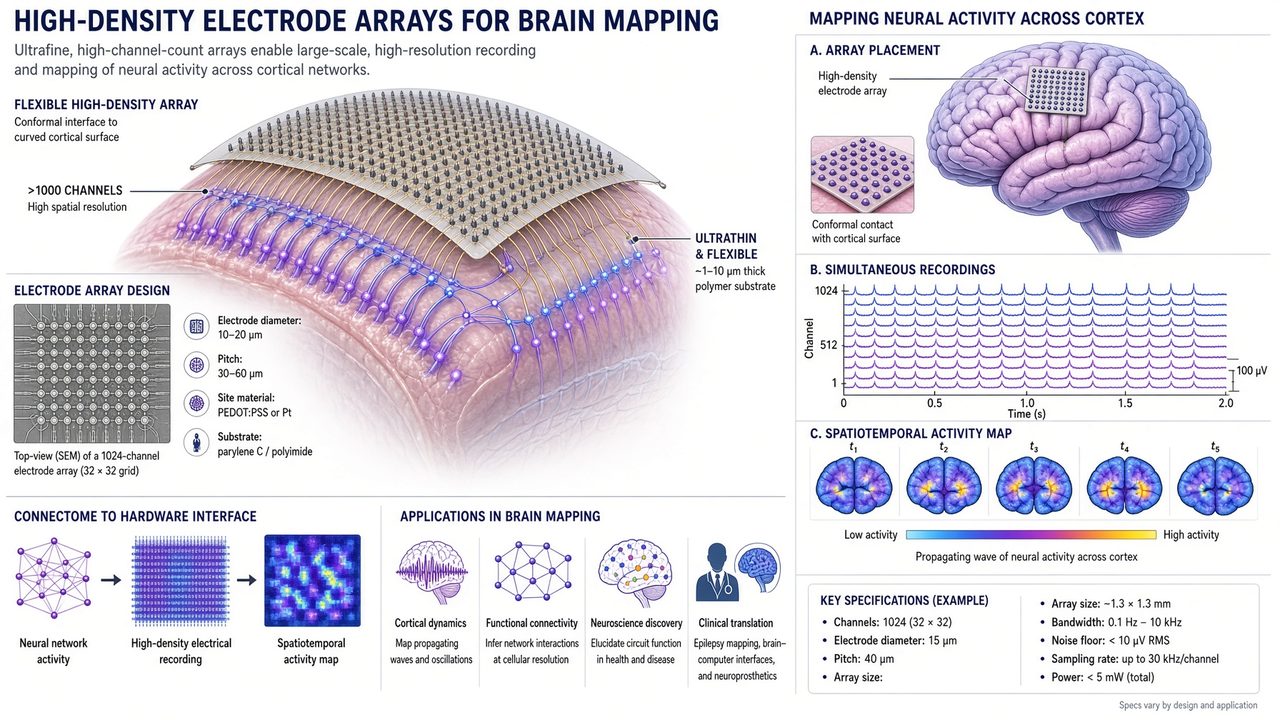
Brain-computer interfaces, or BCIs, let people control machines with brain activity, and in some cases stimulate the brain with information. They offer remarkable benefits for people with paralysis, and they also raise unusual ethical questions.
Key ethical issues
- Safety and risk-benefit: implanted devices carry surgical and long-term risks, and trial participants may be highly motivated, which makes honest communication essential. What happens if a company discontinues support? Several participants of earlier neurotechnology trials were left with devices that no longer had support, such as users of a retinal implant when manufacturer Second Sight ran into financial problems, a case highlighted by reporting from IEEE Spectrum.
- Informed consent: people with severe disability or communication limits may have complex needs. Consent should be ongoing, and participants should understand uncertainties.
- Autonomy and agency: when an algorithm interprets intentions, who is responsible for actions? Devices that predict or complete intentions might blur whether a movement was the user's choice. Deep brain stimulation has been reported to affect personality or sense of self in some patients, raising questions of identity.
- Mental privacy: brain signals can reveal information about attention, emotion, health or even decoded words and images. Researchers have shown fMRI and EEG decoders that reconstruct speech and images in lab settings. Misuse by employers, insurers, advertisers or governments is a concern.
- Security: devices could in principle be hacked, and data breaches could expose sensitive information.
- Fairness and access: cost, location and disability status may limit who benefits. If BCIs are used for enhancement, they might widen inequalities.
- Enhancement versus therapy: where is the line between restoring function and improving beyond typical ability? Society may need guidance on workplace, military and educational uses.
- Data ownership and commercial incentives: who owns the data, and how long do companies support the devices?
- Children and vulnerable people: special protections are needed.
Emerging frameworks
- Neurorights: Rafael Yuste and colleagues propose protections for mental privacy, personal identity, free will, fair access and protection from bias. Chile amended its constitution in 2021 to include protection of brain data, and other jurisdictions are considering similar laws.
- International guidance: the OECD adopted a recommendation on responsible innovation in neurotechnology in 2019, and UNESCO has been developing a global instrument on the ethics of neurotechnology.
- Research ethics: institutional review boards, patient participation and long-term follow-up for implants.

What responsible development looks like
Developers should involve users in design, plan for long-term device support and data stewardship, minimize data collection, give users control and ownership, evaluate bias, and be honest about benefits and limits.
What individuals can do
If you are considering joining a BCI trial, ask who will maintain the device after the study ends, what happens to your data, how risks will be handled, and whether you can withdraw. Consumer brain-sensing products should be judged on their privacy policies as well as on their claims, and you can choose not to share neural data if the benefit is unclear.
Takeaway
BCIs can restore voice and movement, and their promise makes ethical safeguards more important, not less. Privacy, autonomy and fairness should be built in from the start.
Further reading from authoritative sources
- National Institute of Neurological Disorders and Stroke (NINDS)
- National Center for Complementary and Integrative Health (NCCIH)
This article is educational and does not replace advice from a licensed clinician. See the medical disclaimer. Looking for specialist care? Browse the neurology clinic directory.