The Neuroscience of Video Games
Video games are among the most engaging activities ever designed, and that makes them a rich subject for neuroscience. Studies reveal how games recruit attention, reward and learning circuits, and also what happens with excessive play.
What happens in the brain during play
- Reward and motivation: a study led by Matthias Koepp using PET imaging in 1998 reported that playing a video game was associated with dopamine release in the striatum. Later work found that anticipating rewards and progress engages the nucleus accumbens and ventral striatum, a system that also underlies other motivating activities. This does not mean that games are as addictive as drugs, since dopamine is involved in many pleasures.
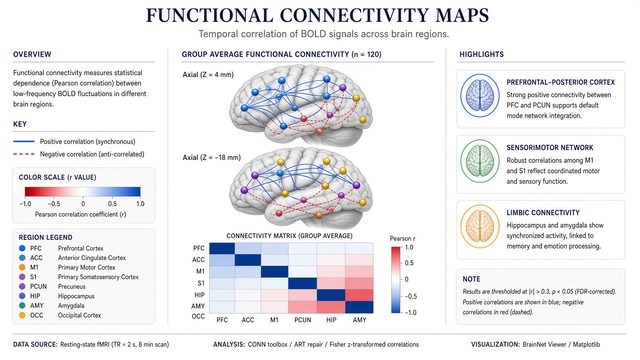
- Attention networks: action games demand rapid shifts of attention, tracking and decision-making, engaging parietal and frontal networks.
- Motor and visuospatial systems: controlling characters recruits the motor cortex, cerebellum and parietal cortex.
- Learning and memory: navigation games engage the hippocampus. A study by Simone Kühn and colleagues found that two months of playing Super Mario 64 was associated with increased gray matter in the hippocampus, prefrontal cortex and cerebellum compared with controls, in a small study.
- Emotion and social processing: multiplayer and story games activate social and emotional circuits.
Potential benefits
- Perception and attention: research by Daphne Bavelier and others reports that regular action video game players show improved visual attention, contrast sensitivity and task switching, and that training non-gamers on action games yielded gains in some studies. Whether these generalize broadly is debated.
- Spatial skills: shooters and 3D games can improve mental rotation, with effects seen in both sexes.
- Therapeutic uses: games can support rehabilitation, ADHD treatment (EndeavorRx), amblyopia therapy, mental health and education.
- Social connection: cooperative online games can provide friendship and community.
- Enjoyment and stress relief: play can improve mood.
Risks
- Excessive use: gaming disorder is recognized in the World Health Organization's ICD-11, characterized by impaired control, increasing priority on gaming and continued play despite negative consequences. It affects a small minority of players.
- Sleep disruption: late-night play reduces sleep.
- Sedentary behavior and eye strain.
- Aggression: research on violent games and aggression is contested. Meta-analyses find small short-term effects on aggressive thoughts or behavior, while other analyses find negligible effects, and major scientific groups differ in their conclusions.
- Toxic online environments and monetization: loot boxes can resemble gambling.
Healthy play
- Set limits and keep gaming from displacing sleep, school, work, exercise and relationships.
- Choose age-appropriate games, and play with children when possible.
- Take breaks, and look away from the screen regularly.
- Prefer active and cooperative games, and avoid gambling-style features.
- Notice warning signs: irritability when not playing, lying about use, loss of interest in other activities. Seek help from a clinician if needed.
Ratings and tools
Content ratings from groups such as the ESRB, and parental controls on consoles and phones, help families choose suitable games and manage time. Talking with children about what they play, and why, is more effective than strict prohibition, and keeping devices out of bedrooms at night helps protect sleep.
Takeaway
Games are neither simply brain-boosting nor brain-rotting. They are powerful experiences whose effects depend on how, how much and why we play.
Further reading from authoritative sources
- National Institute of Neurological Disorders and Stroke (NINDS)
- National Center for Complementary and Integrative Health (NCCIH)
This article is educational and does not replace advice from a licensed clinician. See the medical disclaimer. Looking for specialist care? Browse the neurology clinic directory.