The Promise and Peril of Brain Hacking
The phrase brain hacking describes a wide range of efforts to optimize the mind, from coffee and meditation to smart drugs, stimulation devices and implants. The aim is understandable, and the reality includes both modest gains and real hazards.
What actually works
- Sleep: the single most effective cognitive enhancer is adequate, regular sleep.
- Exercise: improves attention, memory and mood.
- Caffeine: reliably improves alertness and reaction time, with limits on dose and timing. L-theanine may smooth its effects.
- Nutrition and hydration: balanced meals and fluids.
- Mindfulness and stress management: improve attention and emotional regulation modestly.
- Learning and practice: deliberate practice drives lasting improvement.
- Light and routines: morning light and consistent schedules.
- Social connection.
What has limited or mixed evidence
- Nootropics and supplements: creatine may help memory in vegetarians and under sleep deprivation, but most products such as ginkgo, bacopa and racetams lack strong evidence. Some products contain undisclosed ingredients.
- Brain training games: improve practiced tasks, but transfer is limited.
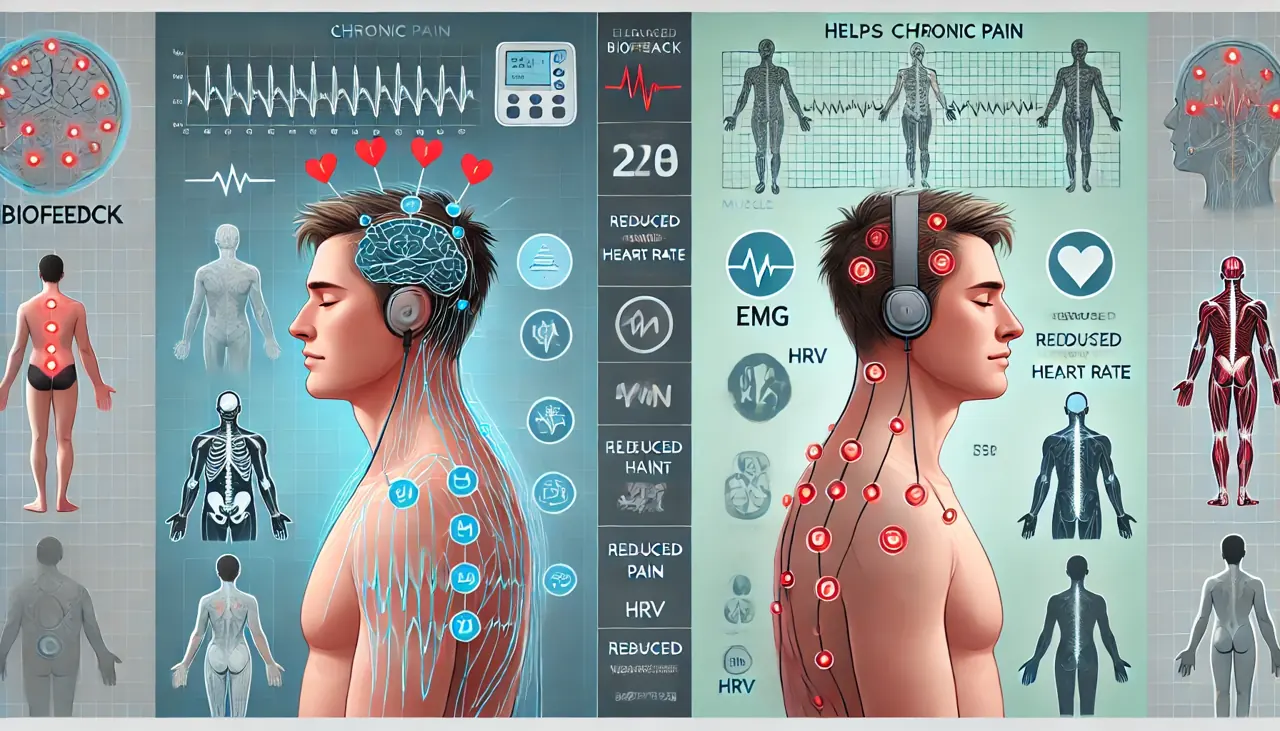
- Neurofeedback and stimulation: discussed in other articles, with small and inconsistent effects in healthy people.
- Binaural beats, light and sound devices: weak evidence.
- Cold exposure, fasting and breathwork: can affect mood and alertness, but cognitive benefits are not well proven.

Risks
- Prescription stimulants and "study drugs": used without a prescription, medications such as methylphenidate and amphetamine carry risks of dependence, heart effects, anxiety and sleep problems. In healthy people, they often improve motivation more than actual performance.
- Modafinil: also lacks long-term safety data in healthy users.
- Supplement quality and interactions.
- Unsupervised stimulation: home brain stimulation can burn skin and may have unknown long-term effects.
- Extreme practices: sleep restriction, megadoses and prolonged fasting.
- Neglecting underlying causes: poor focus can reflect depression, anxiety, ADHD, sleep apnea or other conditions.
- Misleading marketing and wasted money.
Experimenting more safely
- Start with fundamentals and fix sleep first.
- Change one thing at a time, and track results objectively.
- Check evidence in reputable sources, and be cautious of influencers selling products.
- Talk to a doctor about supplements, medications or devices, especially if you have health conditions or take medications.
- Avoid illegal or unprescribed drugs.
- Stop if you notice side effects.
- Keep expectations realistic: the best gains come from compounding small habits.
Sleep, light and timing
Small, unglamorous adjustments often outperform gadgets. Keeping a regular wake time, getting bright light early in the day, dimming screens in the evening and avoiding caffeine in the afternoon can noticeably improve alertness and mood within weeks. Tracking how you feel with a simple daily rating is enough to judge whether a change is helping.
A note on motivation
Much of the appeal of brain hacking is the wish for control. Setting clear goals, breaking tasks into small steps and removing distractions harness the same attention and reward systems that expensive tools claim to target, without the risks.
Takeaway
Brain hacking is most effective when it is boring: sleep, movement, nutrition, learning and connection. Be skeptical of shortcuts, and put safety first.
Further reading from authoritative sources
- National Institute of Neurological Disorders and Stroke (NINDS)
- National Center for Complementary and Integrative Health (NCCIH)
This article is educational and does not replace advice from a licensed clinician. See the medical disclaimer. Looking for specialist care? Browse the neurology clinic directory.