Wearable Brain Monitors: What They Can and Can't Do
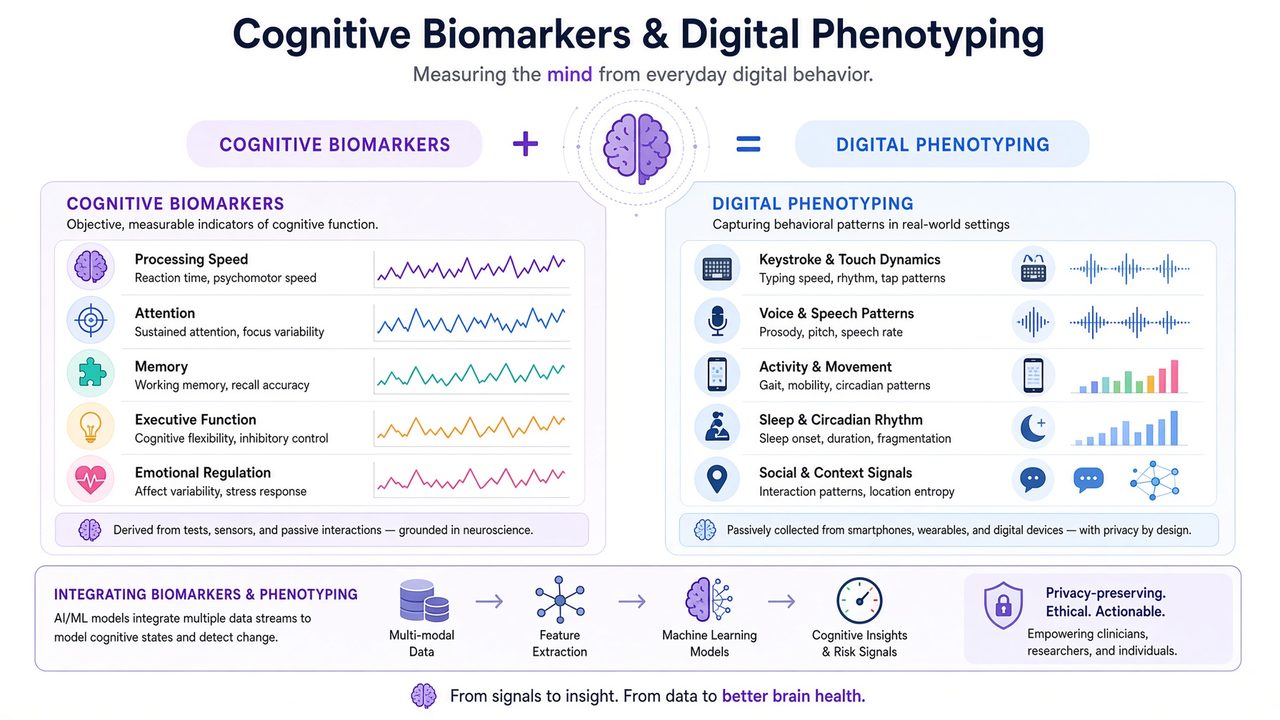
A new generation of wearable devices claims to monitor your brain, whether through a headband, earbuds or a sleep mask. Some record EEG, others use light-based sensors, and many pair with apps that give scores for focus, calm or sleep. These products are becoming more sophisticated, but they are not medical-grade brain scanners.
Types of wearable brain sensors
Dry-electrode EEG headbands and caps
These devices contain a small number of sensors that touch the forehead or scalp and record the brain's electrical activity. Some use fabric or rubber electrodes that need no gel. They are most often used for guided meditation, sleep tracking and neurofeedback games.
Ear-EEG and earbuds
Sensors inside or around the ear canal can pick up electrical signals from nearby brain regions. They are discreet and comfortable, and researchers are developing them for sleep monitoring and attention tracking.
Functional near-infrared spectroscopy (fNIRS)
These wearables shine near-infrared light through the scalp and measure changes in blood oxygenation in the cortex, similar to the principle behind fMRI but much more portable, mostly in research settings.
Medical-grade wearables
Some wearable devices are regulated medical products. Examples include certain wrist-worn devices designed to detect convulsive seizures and alert caregivers, and ambulatory EEG systems used for diagnostic purposes under clinician supervision.
What they can do reasonably well
- Detect big changes in brain state, such as the difference between eyes open and closed, or alert versus drowsy
- Provide feedback for meditation or relaxation practice
- Estimate sleep patterns in a rough way, particularly total sleep and wake time
- Support research studies conducted outside the laboratory, when validated for specific purposes
What they cannot do
- Diagnose or treat disease. Consumer devices are not intended to diagnose conditions such as ADHD, depression, epilepsy or dementia.
- Read thoughts or emotions precisely. Scores for "focus" or "calm" are statistical estimates that rely on assumptions.
- Match clinical accuracy. Fewer sensors, movement and poor contact reduce signal quality, and muscle activity from the forehead and jaw can contaminate EEG.
- Prove that a training program works. A device's improvement score is not evidence that real-world attention or mood has changed.
Questions to ask before buying
1. Is there published validation? Look for independent studies comparing the device with clinical equipment. 2. What is the intended use? A wellness product that makes medical claims should raise questions. 3. What happens to the data? Brain-related data is sensitive. Review the privacy policy and who can access or sell it. 4. Is it comfortable enough for regular use? 5. Does the subscription fee justify the features?
Privacy and ethics
Neural data may reveal information about your attention, sleep and health, and laws governing this kind of data are still developing. Choose companies with transparent policies, allow you to delete your data and do not sell it to third parties.
Safe use
Passive sensors are generally low risk. Avoid relying on a wearable to decide whether to change medication or to assess a serious symptom. If you notice symptoms such as seizures, severe headaches, fainting or sudden confusion, seek medical care rather than checking an app.
The takeaway
Wearable brain monitors can be a fun and motivating way to learn about your own patterns, particularly for meditation and sleep. Treat them as educational tools, and remember that how you feel and function matters more than a score.
Further reading from authoritative sources
- National Institute of Neurological Disorders and Stroke (NINDS)
- National Center for Complementary and Integrative Health (NCCIH)
This article is educational and does not replace advice from a licensed clinician. See the medical disclaimer. Looking for specialist care? Browse the neurology clinic directory.