Aerobic Exercise and Memory
Few interventions have as strong a track record for supporting memory as aerobic exercise. Walking, cycling, swimming and similar activities that raise the heart rate appear to help both the aging brain and the young one.
What the research shows
- Hippocampal growth: in a randomized trial by Kirk Erickson and colleagues, 120 older adults who walked briskly for 40 minutes three times a week for a year increased hippocampal volume by about two percent, while a stretching group declined by about one percent. The walkers also improved spatial memory, and changes in BDNF levels were associated with the gains.
- Fitness and memory: studies of children and adults find that higher cardiorespiratory fitness is associated with larger hippocampi and better memory performance, including in a study by Laura Chaddock-Heyman and Charles Hillman on children aged 9 and 10.
- Single sessions: a single bout of moderate exercise can enhance attention and memory encoding briefly. Exercise timed shortly after learning, or about four hours after, enhanced retention in studies by Eelco van Dongen and colleagues.
- Meta-analyses: reviews of randomized trials show small to moderate benefits of aerobic training on memory and executive function in adults, with some variation across studies, and benefits seen in older adults with and without mild cognitive impairment.
- Dementia risk: observational studies link higher physical activity with lower risk of cognitive decline and dementia, and trials such as the U.S. POINTER study of multi-domain lifestyle interventions have shown cognitive benefits, though evidence from randomized prevention trials of exercise alone is mixed.
How exercise helps
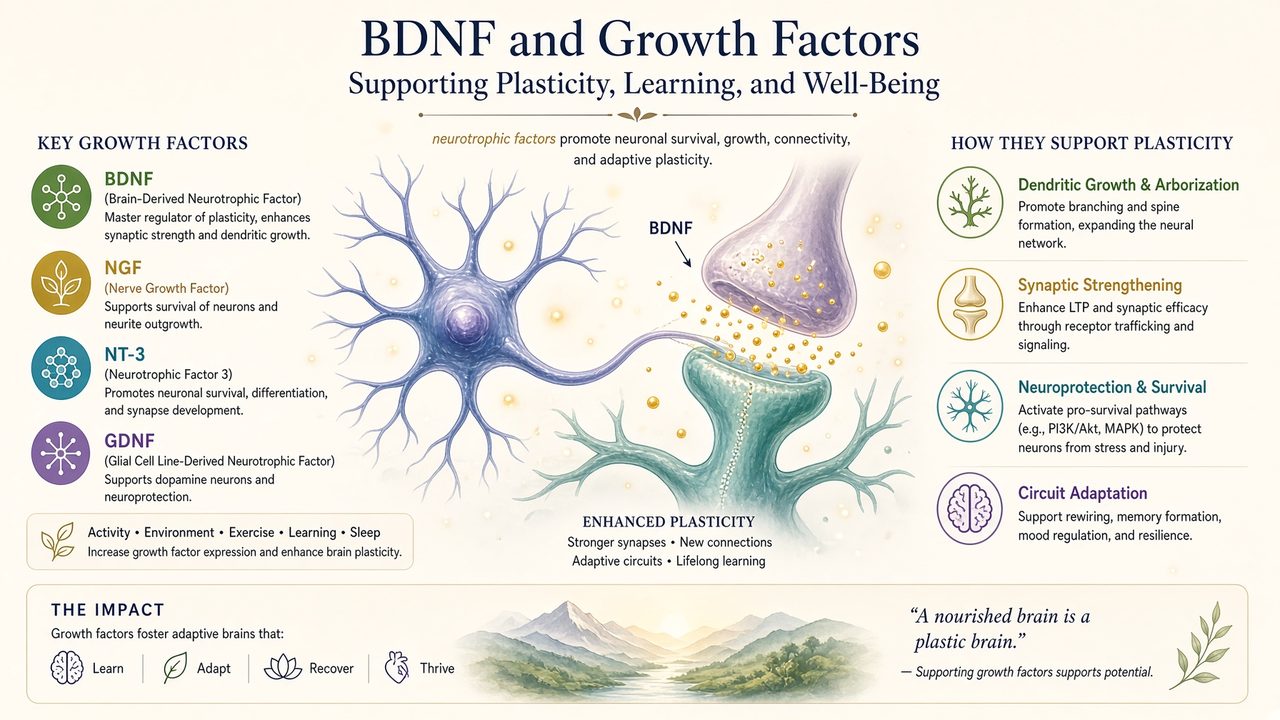
- BDNF: exercise increases brain-derived neurotrophic factor, which supports synaptic plasticity and neuron survival, as shown by Carl Cotman and colleagues.
- Neurogenesis: in rodents, running increases new neurons in the dentate gyrus. Evidence for adult human neurogenesis is debated, but exercise seems to support hippocampal structure.
- Blood flow and vessel health: improved cerebral perfusion and angiogenesis.
- Reduced inflammation and improved insulin sensitivity.
- Better sleep and mood, which support memory.
- Muscle-derived signals: molecules such as irisin and cathepsin B may influence brain function.

How much and what type
- Target: at least 150 minutes per week of moderate activity, such as brisk walking, or 75 minutes of vigorous activity, with benefits seen at lower levels too.
- Intensity: moderate to vigorous activity that raises heart rate, where you can talk but not sing.
- Types: walking, jogging, cycling, swimming, dancing, rowing and elliptical training are all useful. Activities that add skill demands, such as dance or racket sports, may offer additional cognitive stimulation.
- Consistency: benefits depend on regular activity over months, and fall off when people stop.
- Interval training: some studies suggest high-intensity intervals provide similar or larger memory benefits for time spent, though more research is needed, and it requires medical caution for some people.
Getting started
- Start where you are: begin with 10 minutes of walking and add five minutes each week.
- Pick something enjoyable, and make it social if you can.
- Schedule it, and track your progress.
- Check with a doctor if you have heart disease, diabetes, joint problems, or have been inactive for a long time.
- Pair with sleep and good nutrition, which support memory.
- Use exercise around learning: a walk before study can sharpen attention, and review material afterward.
Takeaway
Aerobic exercise is one of the most reliable ways to support memory. Making it a regular habit pays dividends for the brain throughout life.
Further reading from authoritative sources
This article is educational and does not replace advice from a licensed clinician. See the medical disclaimer. Looking for specialist care? Browse the neurology clinic directory.