Biofeedback for Stress Eating and Cravings
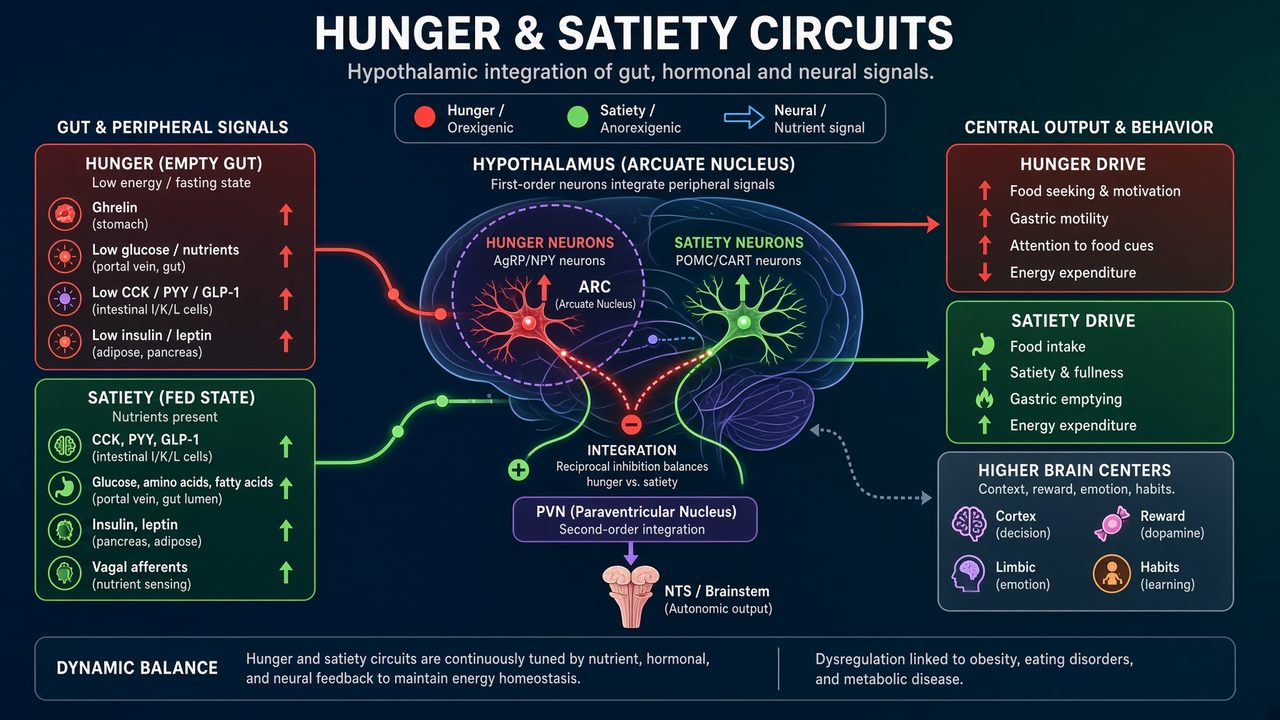
Many people reach for food when stressed, bored or sad, even when they are not hungry. Stress hormones and reward circuits can drive cravings, and biofeedback may help by strengthening the calming skills that make a pause possible.
Why stress triggers eating
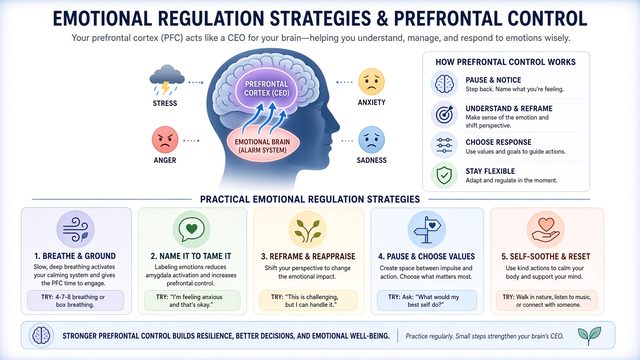
Chronic stress raises cortisol, which is associated with increased appetite and preference for high-sugar, high-fat foods. Stress also reduces activity in the prefrontal cortex, which supports self-control, and strengthens habitual and reward-driven circuits. Eating, particularly palatable foods, triggers dopamine and opioid release and temporarily reduces distress, so the behavior is reinforced.
How biofeedback may help
- Heart rate variability training: slow paced breathing increases parasympathetic activity and may help people downshift from arousal. A few studies in people with obesity or emotional eating report reductions in food cravings and binge episodes after HRV biofeedback, but trials are small.
- Body awareness: feedback about heart rate, breathing and muscle tension helps people recognize stress before it escalates, so they can choose a different response.
- Mindfulness and urge surfing: research on mindfulness-based eating programs suggests benefits for binge eating and emotional eating, and biofeedback can complement them.
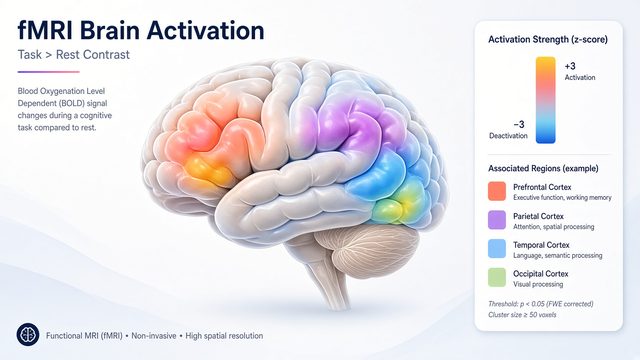
- Neurofeedback and cravings: early studies of real-time fMRI and EEG neurofeedback have explored training brain activity related to food cravings in small samples. This is experimental.
- Electrodermal and respiratory feedback: used in some clinics to teach relaxation.

What else works
- Cognitive behavioral therapy and related therapies are well supported for binge eating disorder.
- Regular meals and enough protein and fiber reduce rebound hunger.
- Sleep: poor sleep increases cravings.
- Physical activity reduces stress.
- Reducing triggers such as keeping tempting foods out of sight.
- Naming emotions, and having non-food coping options such as walking, calling a friend or taking a bath.
A practical plan
- Notice the urge: rate hunger and stress from zero to ten.
- Pause for five minutes, and do slow breathing at about six breaths per minute, with a long exhale.
- Check the signal: is this physical hunger or a feeling?
- Choose: if hungry, eat mindfully, and if stressed, try a calming alternative.
- Practice daily, not only during cravings, so that the skill is available under pressure.
- Use a device if it helps, or work with a trained biofeedback provider.
Important notes
Disordered eating, including binge eating, bulimia and anorexia, is a medical condition. If eating feels out of control, causes distress or involves purging or restricting, seek professional help from a doctor or therapist. Biofeedback should not replace treatment. In the United States, the National Alliance for Eating Disorders helpline is 1-866-662-1235.
Tracking triggers
A short diary can reveal patterns. Note the time, what you felt, how hungry you were and what you ate. Many people discover that cravings cluster around certain times, such as late afternoon or after difficult calls, or around poor sleep. Once you see a pattern, you can plan ahead with a snack that includes protein, a walk, or a breathing session at that time. Biofeedback readings taken during these moments can show how quickly slow breathing calms your body.
Takeaway
Biofeedback can strengthen the calming skills that interrupt stress-driven eating. It works best alongside regular meals, sleep, movement and, when needed, professional support.
Further reading from authoritative sources
This article is educational and does not replace advice from a licensed clinician. See the medical disclaimer. Looking for specialist care? Browse the neurology clinic directory.