Exercise and Biofeedback: A Combined Approach to Wellness
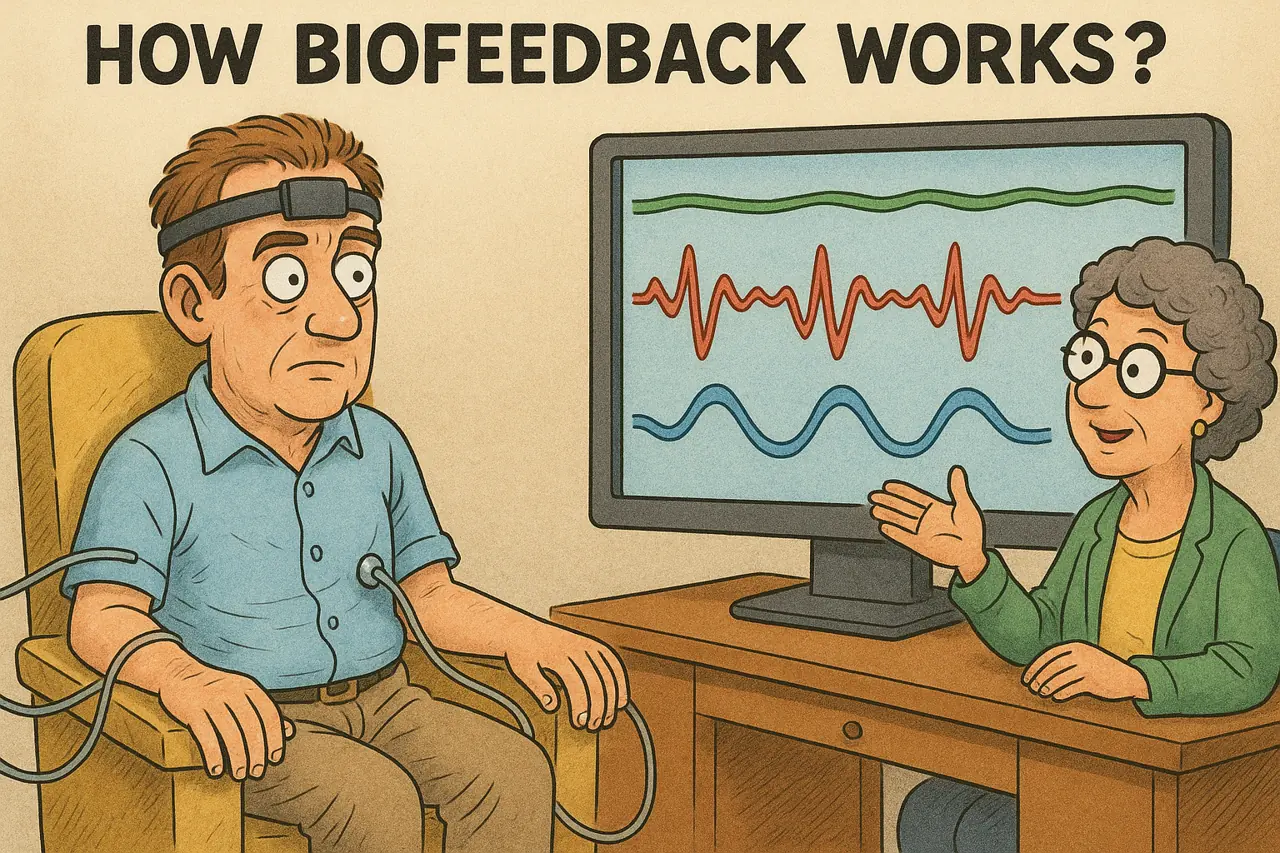
Many people already practice a form of biofeedback without calling it that: they glance at a watch to check their heart rate during a run. Formal biofeedback takes this further by using sensors to measure signals such as heart rhythm, breathing and muscle activity, and teaching people to use the information to improve training, recovery and relaxation.
Heart rate for pacing
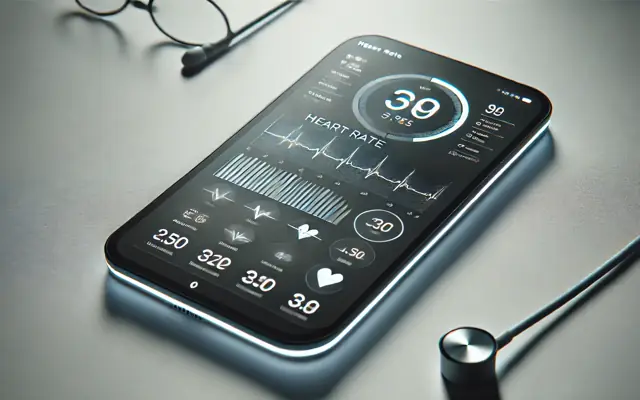
Heart rate monitors let you train in specific zones. Staying in a moderate zone supports aerobic fitness, while higher zones challenge the system more. This is feedback in its simplest form: you adjust effort based on a live number. It can help beginners avoid overexertion and help experienced athletes distribute effort.
Heart rate variability and recovery
Heart rate variability (HRV) describes the small beat-to-beat changes in timing between heartbeats. Higher variability at rest generally reflects flexible autonomic nervous system function. Many wearables estimate HRV overnight or in the morning to suggest how recovered you are. Some research suggests that using HRV to guide training intensity may help certain athletes avoid overtraining, but results are mixed, and day-to-day HRV is influenced by sleep, alcohol, illness, stress and measurement errors. It is best treated as one input among several, alongside how you feel and your performance.

HRV biofeedback and breathing
In clinical biofeedback, people watch their heart rhythm while breathing slowly, often around six breaths per minute, to increase HRV and promote relaxation. Short sessions of paced breathing before or after exercise may help with calming and recovery, and the same skill can be used for stress management.
Surface EMG for muscles
Surface electromyography sensors measure electrical activity in muscles. In rehabilitation, feedback from these sensors helps people learn to activate a weak muscle, such as the quadriceps after knee surgery, or to relax a muscle that is overactive. It is used in physical therapy for conditions such as stroke rehabilitation, pelvic floor dysfunction and some chronic musculoskeletal problems.
Respiration and posture
Breathing sensors can help people practice diaphragmatic breathing, which supports relaxation and may help with exercise-related breathing difficulties. Motion sensors and gentle vibration cues are also used to teach posture and movement patterns.
What the research suggests
- Biofeedback for rehabilitation has reasonable support, especially EMG feedback in physical therapy.
- Biofeedback for relaxation and anxiety has modest evidence, as discussed elsewhere on this site.
- Wearable-guided training has promise, but the evidence that consumer metrics improve outcomes beyond regular coaching is limited.
Practical tips
- Use feedback to learn, not to obsess. If tracking increases anxiety, pare it back.
- Treat wearable data as estimates, since sensors vary in accuracy, particularly for wrist-based heart rate during intense or irregular movement.
- Pair paced breathing with a cool-down routine.
- Work with a physical therapist or certified practitioner for rehabilitation goals.
- Pay attention to symptoms. Chest pain, severe breathlessness, fainting or irregular heartbeat need medical attention, not interpretation of wearable data.
Who benefits most
Biofeedback may be especially useful for people recovering from injury, athletes managing training load, and people who want to learn stress management skills alongside an exercise routine.
The takeaway
Used thoughtfully, biofeedback can add useful information to your exercise routine. The most important elements remain the basics: consistent activity, good sleep and a plan that you enjoy.
Further reading from authoritative sources
This article is educational and does not replace advice from a licensed clinician. See the medical disclaimer. Looking for specialist care? Browse the neurology clinic directory.