Biofeedback for Caregiver Stress

Family caregivers, especially those looking after someone with dementia, Parkinson's disease, stroke or another serious condition, often experience high levels of stress. Research consistently finds higher rates of depression, anxiety, sleep problems and physical health complaints among caregivers. Biofeedback is one of several skill-building approaches that can help.
Why caregiving is so stressful
Caregiving can involve long hours, disrupted sleep, physical strain, financial pressure, social isolation and emotional distress, including grief for the person as they change. Stress hormones stay elevated for long periods, which over time can harm sleep, immunity, blood pressure and mood. Caregivers often neglect their own health.
How biofeedback may help
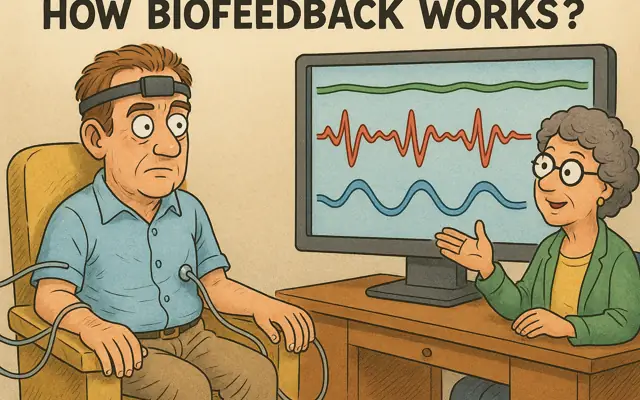
Biofeedback helps people become aware of how stress shows up in the body and practice ways to reduce it. Techniques include:
- Heart rate variability breathing. Following a pacer to breathe slowly while watching heart rhythm on a screen or app can induce a calmer physiological state.
- Muscle tension feedback. Sensors reveal tension in the neck, shoulders and jaw, which are common stress areas for caregivers, and show when relaxation exercises succeed.
- Skin temperature or conductance feedback, which provide a visible signal of relaxation.
- Portable devices and apps that let caregivers practice in short sessions at home or between tasks.

What the evidence shows
Evidence specifically in caregivers is limited, and most studies are small. Broader research on biofeedback and relaxation training supports modest benefits for stress, anxiety and sleep in general populations. Programs for caregivers that combine education, skills training, social support and respite generally have more robust evidence than any single technique. It is reasonable to consider biofeedback as one part of a multi-pronged approach.
Practical steps
1. Learn one skill well. Practice slow breathing for five to ten minutes once or twice a day. 2. Use micro-breaks. Take three slow breaths before a difficult task, such as helping with bathing. 3. Release tension. Check your shoulders, jaw and hands several times a day. 4. Pair practice with routine, such as after medications or before bed. 5. Track what works with a simple journal.
Other supports that matter
- Respite care, even brief, so you can rest
- Support groups for caregivers, in person or online
- Education about the condition, which can reduce uncertainty
- Counseling or therapy, especially if you feel hopeless, overwhelmed or resentful
- Sleep, nutrition and physical activity, which are easy to neglect
- Medical care for yourself
The Alzheimer's Association runs a free 24/7 helpline at 1-800-272-3900 for dementia caregivers in the United States.
Warning signs
Seek help if you notice persistent sadness, hopelessness, thoughts of self-harm, panic, heavy use of alcohol or sleep medication, or if you feel you cannot continue. In the United States, call or text 988 at any time for support.
Finding a practitioner
Many psychologists, counselors, nurses and physical or occupational therapists offer biofeedback. Look for providers with certification from a recognized body, and ask about their experience with caregivers. Some caregiver programs offer biofeedback-assisted stress management.
The takeaway
Caregivers deserve care, too. Biofeedback is one practical way to build resilience and calm, and it works best alongside social support, respite and professional help when needed.
Further reading from authoritative sources
- National Institute on Aging (NIA)
- National Institute of Neurological Disorders and Stroke (NINDS)
- National Center for Complementary and Integrative Health (NCCIH)
This article is educational and does not replace advice from a licensed clinician. See the medical disclaimer. Looking for specialist care? Browse the neurology clinic directory.