Brain Foods: What the Evidence Really Says
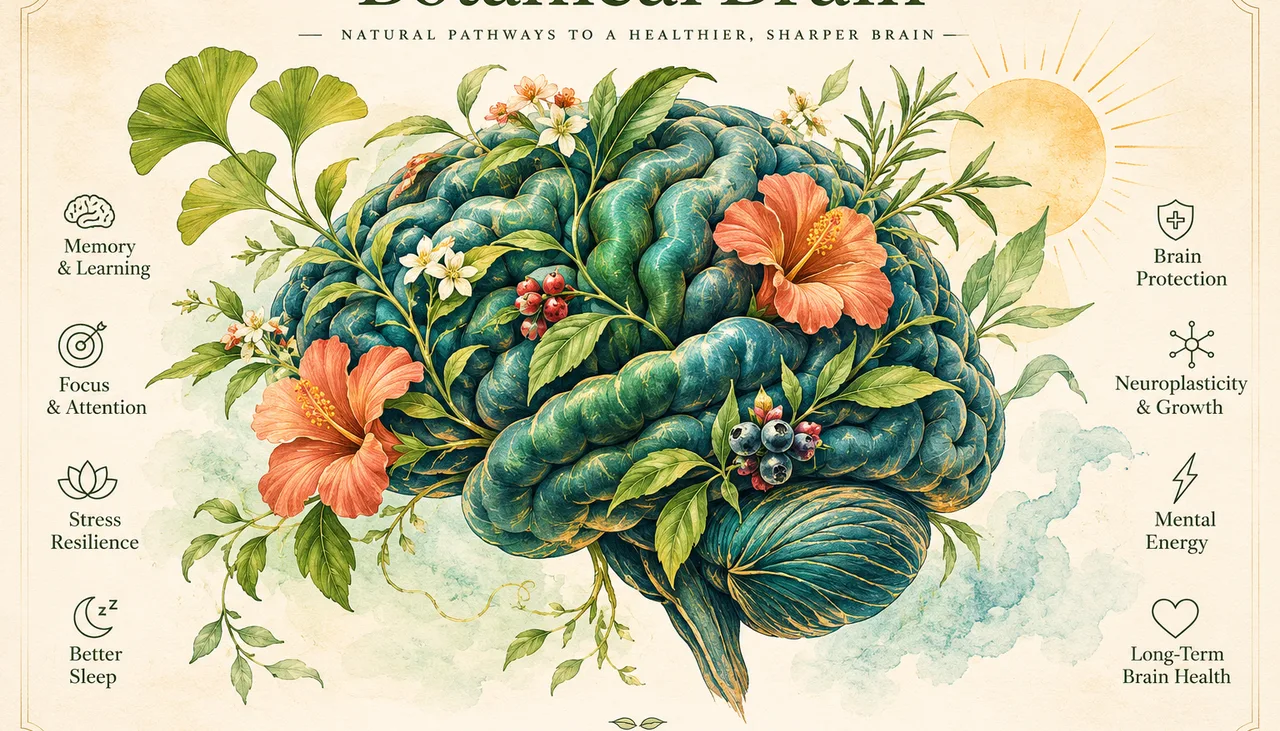
Search the internet and you will find endless lists of "brain foods" that promise sharper memory, better focus and protection from dementia. The reality is more modest and more useful: the overall pattern of what you eat appears to matter far more than any single food.
Why diet matters to the brain
The brain needs glucose for energy, fats to build and maintain cell membranes, protein to make neurotransmitters, and vitamins and minerals to run chemical reactions. Diet also affects blood pressure, blood sugar, cholesterol and inflammation, all of which influence the brain's blood vessels and long-term health. In addition, the gut microbiome, shaped by what you eat, communicates with the brain through nerves, hormones and immune signals.
Foods with the best supporting evidence
Most evidence comes from observational studies, which can show association but not prove cause, along with some clinical trials. Foods that repeatedly appear in studies of healthier cognitive aging include:
- Leafy green vegetables such as spinach, kale and collards, which provide folate, vitamin K and carotenoids. In some studies, people who ate more greens showed slower cognitive decline.
- Berries, rich in flavonoid antioxidants. Small trials suggest modest benefits for memory in older adults.
- Fatty fish such as salmon, sardines and trout, which supply omega-3 fats, especially DHA.
- Nuts and seeds, particularly walnuts, which contain omega-3 alpha-linolenic acid, vitamin E and polyphenols.
- Olive oil, the main fat in the Mediterranean diet.
- Whole grains, beans and legumes, which provide steady energy, fiber and B vitamins.
- Coffee and tea, in moderate amounts, which contain caffeine and antioxidants.

Foods and habits to limit
- Ultra-processed foods and refined sugar. Diets high in these are associated with poorer cognitive outcomes and higher risk of obesity and diabetes, which in turn harm the brain.
- Excess saturated and trans fats. These raise cardiovascular risk, and what is bad for the heart is generally bad for the brain.
- Heavy alcohol use, which damages brain tissue and impairs memory.
It is the pattern that counts
Rather than chasing individual nutrients, researchers increasingly study whole dietary patterns. The Mediterranean diet and the MIND diet, which blends Mediterranean and DASH approaches, are associated with lower risk of cognitive decline in observational studies. Both emphasize vegetables, fruit, whole grains, legumes, nuts, fish and olive oil, with less red meat, sweets and fried foods.
Hype to be skeptical about
- "Superfoods." No single food provides a major protective effect on its own.
- Brain-boosting supplements. Large reviews have not found convincing evidence that over-the-counter supplements such as ginkgo biloba prevent cognitive decline in healthy people. If you are deficient in a nutrient such as vitamin B12, correcting it matters, but extra amounts in someone who is not deficient generally add little.
- Instant effects. The benefits of healthy eating accumulate over years, not days.
Practical steps
1. Build meals around plants: vegetables, fruit, beans, whole grains. 2. Eat fish at least twice a week, or discuss alternatives if you do not eat fish. 3. Choose olive oil for cooking and dressings. 4. Snack on nuts instead of chips or sweets. 5. Drink water and limit sugary drinks. 6. Cook more at home, which usually means less ultra-processed food. 7. Enjoy your food. Sustainable habits beat strict rules.
A note on special conditions
People with diabetes, kidney disease, food allergies or other medical issues, and those who take medications such as blood thinners, may need tailored guidance. A registered dietitian can help you adapt these principles safely.
Further reading from authoritative sources
This article is educational and does not replace advice from a licensed clinician. See the medical disclaimer. Looking for specialist care? Browse the neurology clinic directory.