How Smoking Affects the Brain
Most people link smoking with lung disease and heart attacks, but the brain suffers too. Tobacco smoke affects blood vessels, neurons and reward circuits, and the damage extends from stroke to cognitive decline.
Nicotine and the reward system
Nicotine binds to nicotinic acetylcholine receptors throughout the brain. In the ventral tegmental area it increases dopamine release in the nucleus accumbens, which produces pleasure and reinforcement. Repeated exposure causes the brain to increase receptor numbers and adjust its reward sensitivity, which creates tolerance, cravings and withdrawal symptoms such as irritability, poor concentration and low mood when nicotine drops. Nicotine can briefly enhance attention, but this is partly relief from withdrawal in people who are dependent.
Effects on brain structure and blood vessels
- Stroke: smoking roughly doubles the risk of ischemic stroke and increases the risk of bleeding strokes, including subarachnoid hemorrhage. It damages artery walls, promotes clotting and raises blood pressure.
- Small vessel disease: imaging studies link smoking with more white matter hyperintensities, which are signs of damage to small blood vessels and are associated with cognitive decline.
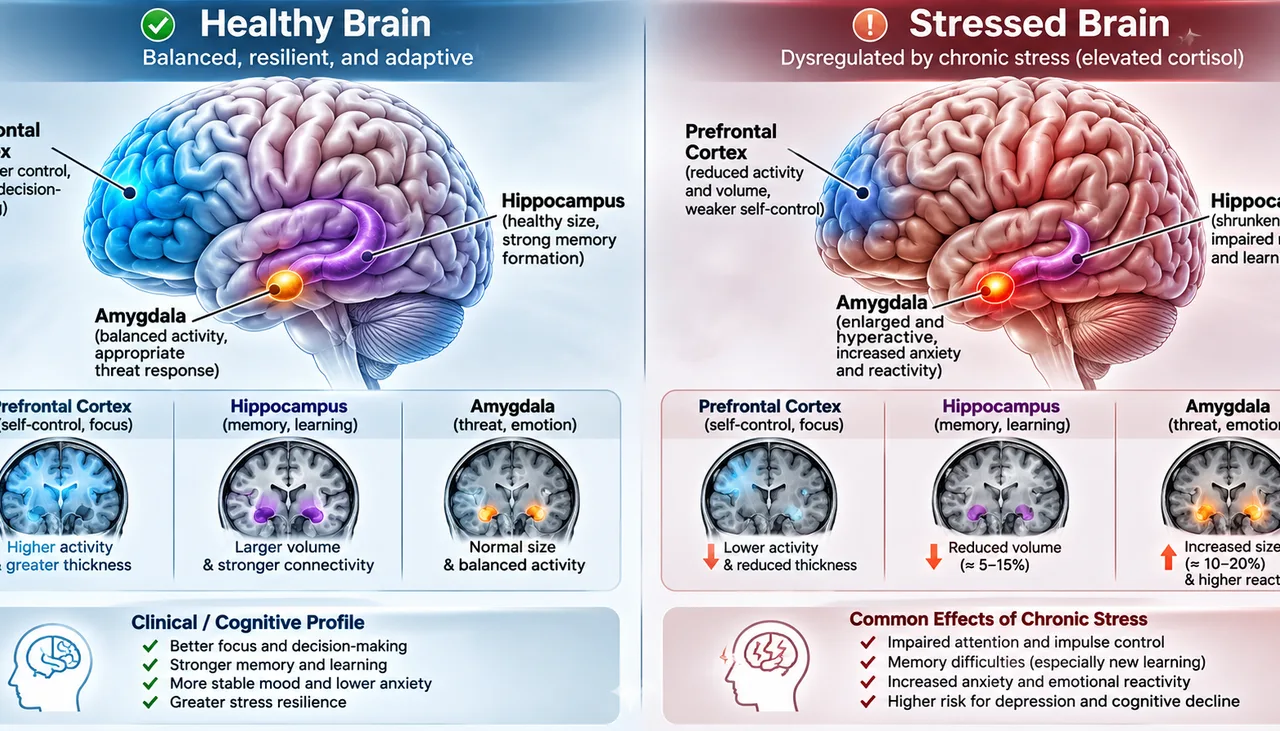
- Cortical thinning and brain volume: studies of large cohorts, including UK Biobank analyses, have found that smokers have lower gray matter volume and thinner cortex in regions involved in memory and executive function than never-smokers.
- Dementia: a widely cited meta-analysis found that current smokers had a substantially higher risk of Alzheimer's disease and all-cause dementia than never-smokers. The Lancet Commission on dementia prevention lists smoking among the modifiable risk factors.
- Oxidative stress and inflammation: smoke contains thousands of chemicals, including oxidants, carbon monoxide and heavy metals, that promote inflammation and reduce oxygen delivery.
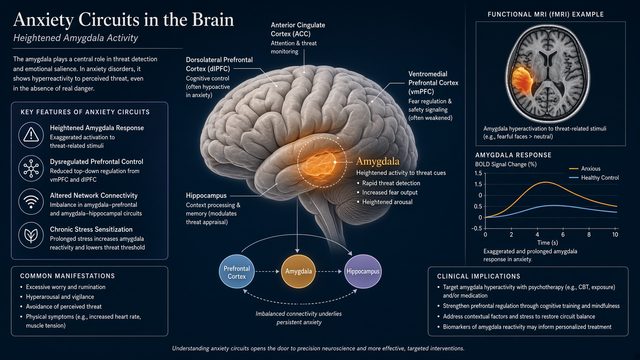
- Mental health: smoking is associated with higher rates of depression and anxiety. Evidence suggests that the relationship is complex, with shared risk factors and effects in both directions.

The benefits of quitting
Within days of quitting, carbon monoxide levels in the blood fall. Over the following months, circulation and lung function improve. Stroke risk declines substantially within several years, and studies suggest that former smokers who quit have lower dementia risk than continuing smokers, with risk trending toward that of never-smokers over time. Some imaging studies suggest that cortical thickness partly recovers after long abstinence. Withdrawal symptoms typically peak in the first week or two and then fade, though cravings can persist.
Secondhand smoke
Exposure to other people's smoke raises stroke risk and has been linked to cognitive impairment, and it is particularly harmful for children, whose brains are still developing and who face higher risks of respiratory illness and attention problems.
How to quit
- Combine support and medication: behavioral counseling plus approved medications roughly doubles success rates compared with willpower alone.
- Medication options: nicotine replacement (patch, gum, lozenge), varenicline and bupropion are available. A doctor can help choose, especially if you have other health conditions.
- Use quitlines: in the United States, 1-800-QUIT-NOW connects callers to free coaching.
- Plan for triggers: coffee, alcohol, stress and social settings. Replace routines with walks, water or breathing exercises.
- Expect setbacks: many people need several attempts, and each attempt teaches something.
- Exercise and sleep: both reduce cravings and support mood during withdrawal.
Takeaway
Smoking damages the brain's blood supply and structure and keeps its reward circuits hooked. Quitting is one of the most powerful things a person can do for long-term brain health, and it is never too late.
Further reading from authoritative sources
This article is educational and does not replace advice from a licensed clinician. See the medical disclaimer. Looking for specialist care? Browse the neurology clinic directory.