How Sugar Affects Brain Function
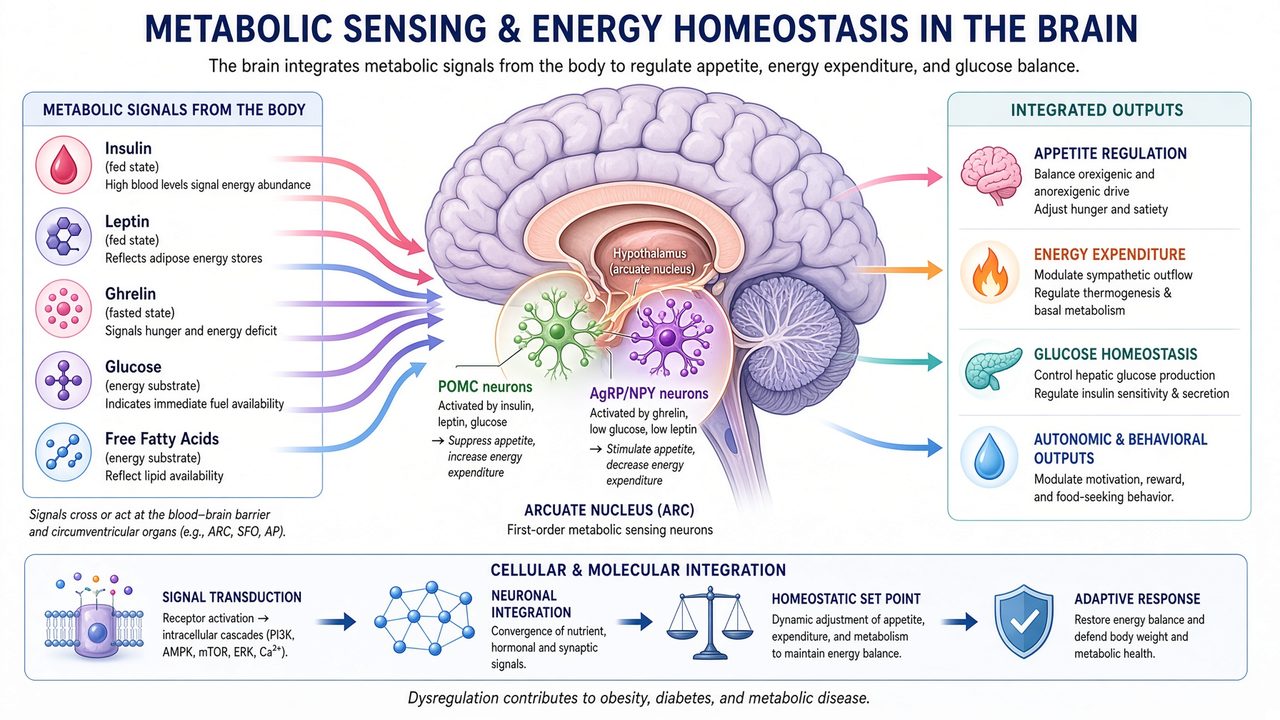
The brain is an energy-hungry organ that relies on glucose as its main fuel. That does not mean that more sugar is better. The type and amount of sugar, and how it affects blood glucose, insulin and inflammation, influence mental performance and long-term brain health.
Glucose and the brain
The brain accounts for about 2 percent of body weight but uses roughly 20 percent of its glucose. Neurons depend on a steady supply. The brain can also use ketones when carbohydrate is scarce. Normal metabolism keeps blood glucose within a range so that the brain is fueled without eating sugar constantly.
Short-term effects
- Blood sugar swings. A sugary snack can cause a quick rise in glucose followed by a drop, which in some people brings fatigue, irritability, hunger and difficulty concentrating.
- Memory and attention. Moderate glucose can improve memory in some experiments, but large doses and spikes do not produce lasting benefit. Low blood sugar impairs thinking.
- Mood. Evidence that sugar directly causes hyperactivity in children has not held up in controlled studies. High sugar intake is, however, associated with higher rates of depression in some observational research.

Long-term effects
Insulin resistance and diabetes
Chronic high sugar intake contributes to weight gain and insulin resistance. Type 2 diabetes roughly doubles the risk of dementia, and people with higher blood glucose levels, even without diabetes, show greater cognitive decline in some studies. Researchers have called Alzheimer's disease "type 3 diabetes" in a figurative sense, although this label is not a formal diagnosis.
Inflammation and vascular damage
Excess sugar, especially fructose, promotes inflammation and can damage blood vessels, which are vital for brain health. Vascular risk factors increase risk of stroke and vascular dementia.
Reward and cravings
Sugar activates the dopamine reward system. Animal studies show binge-like behavior, though whether sugar is addictive in humans is controversial.
Brain structure
Some studies link high sugar-sweetened beverage intake with smaller brain volume and poorer memory in middle-aged adults, but associations do not prove causation.
Children and teens
High intake of sugar-sweetened beverages is associated with poorer cognitive outcomes in some studies, and obesity-related changes may affect brain development. Healthy habits formed early matter.
Added sugar versus natural sugar
Sugar in whole fruit comes with fiber, water and nutrients that slow absorption. Added sugars in drinks and processed foods are absorbed quickly and add calories without nutrients. Health authorities recommend limiting added sugars to under 10 percent of daily calories, and the American Heart Association suggests no more than about 25 grams per day for women and 36 for men.
Artificial sweeteners
Evidence is mixed. They can reduce sugar intake, but some studies raise questions about effects on appetite, gut bacteria and brain responses. More research is needed.
Smart eating for steady brain fuel
- Choose whole fruit over juice.
- Pair carbohydrates with protein, fiber or healthy fat.
- Cut sugary drinks, the biggest source of added sugar for many people.
- Read labels and look for hidden sugars.
- Pick whole grains over refined ones.
- Eat regular meals to avoid big blood sugar swings.
- Sleep and exercise, which improve insulin sensitivity.
When to see a doctor
If you have frequent extreme thirst, urination, fatigue, blurred vision or episodes of shakiness and confusion, ask about blood sugar testing.
Bottom line
Your brain needs glucose, but a diet rich in added sugar can undermine it. Favor whole foods and stable energy.
Further reading from authoritative sources
This article is educational and does not replace advice from a licensed clinician. See the medical disclaimer. Looking for specialist care? Browse the neurology clinic directory.