Physical Activity and Dementia Risk
Dementia is not inevitable with aging, and lifestyle plays a role. Among modifiable factors, physical inactivity stands out, and evidence suggests that staying active across life lowers risk.
What the evidence shows
- Observational studies: a meta-analysis by Henry Brodaty and colleagues, and another by Elizabeth Blondell, found that the most physically active adults had roughly 20 to 30 percent lower risk of all-cause dementia compared with the least active, with similar findings for Alzheimer's disease. A large study of nearly 1.6 million people published in the British Journal of Sports Medicine found that high physical activity was linked to lower dementia risk.
- The Lancet Commission: the 2020 and 2024 Lancet Commissions on dementia prevention identified physical inactivity as one of 14 modifiable risk factors, which together account for around 45 percent of dementia cases globally, with physical inactivity contributing a few percent.
- Cardiorespiratory fitness: higher midlife fitness is associated with lower dementia risk decades later, in a study of Swedish women by Helena Hörder and colleagues.
- Steps per day: a study published in JAMA Neurology found that more daily steps were associated with lower dementia risk, with about 9,800 steps linked to 50 percent lower risk, though this is observational.
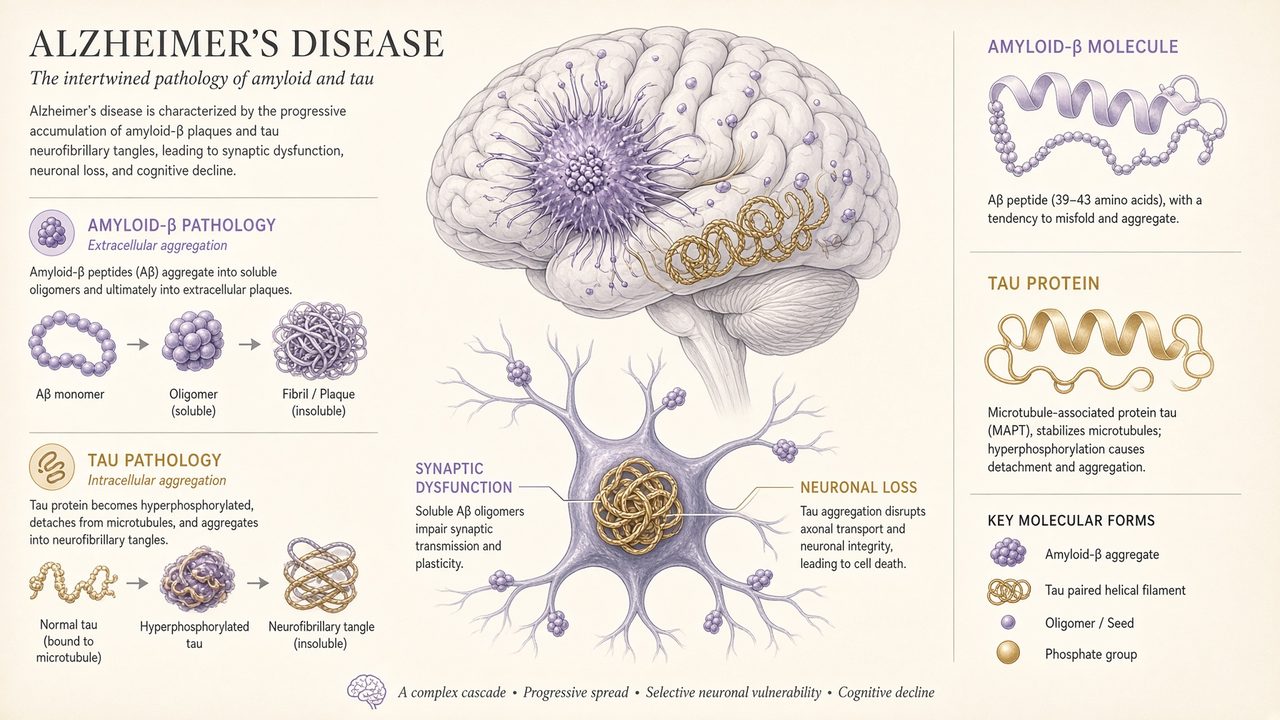
- Brain imaging: physically active older people have larger brain volumes and less amyloid and tau accumulation in some studies. The Dominantly Inherited Alzheimer Network found that higher activity was associated with slower cognitive decline even in people with high genetic risk.
- Randomized trials: the LIFE study of 1,635 older adults found that a moderate-intensity physical activity program did not significantly reduce mild cognitive impairment or dementia compared with health education, although the study was underpowered for dementia and showed benefit in some subgroups. The FINGER trial in Finland found that a multidomain intervention of diet, exercise, cognitive training and vascular risk management improved cognition in at-risk older adults, and the U.S. POINTER trial published in 2025 reported cognitive benefits of a structured lifestyle program. Evidence for exercise alone as a prevention strategy is not definitive.
- Reverse causation: early dementia can reduce activity, so some associations may reflect preclinical disease, though studies of midlife activity suggest a protective effect.
Why it may protect
Exercise improves vascular health, which matters since vascular damage contributes to most dementia, reduces diabetes and obesity, lowers inflammation, boosts BDNF and hippocampal health, and may help clear amyloid. It also supports sleep, mood and social engagement.

How much and what kind
Public health guidelines recommend 150 minutes per week of moderate aerobic activity, plus muscle-strengthening twice a week and balance exercises for older adults. Benefits start with small amounts: studies suggest that even light activity and fewer hours of sitting help.
Practical steps
- Move daily: walk, garden, climb stairs, dance or swim.
- Break up sitting every 30 to 60 minutes.
- Combine with other risk-reducing habits: manage blood pressure, diabetes and cholesterol, avoid smoking, limit alcohol, protect hearing, stay socially and mentally active and protect your head.
- Begin at any age: benefits are seen from midlife and even in later life.
- For people with memory concerns, exercise remains safe and beneficial, and may improve mood and function. Consult a clinician for tailored programs.
Takeaway
Staying physically active is one of the most practical ways to lower dementia risk. It is never too early or too late to start.
Further reading from authoritative sources
This article is educational and does not replace advice from a licensed clinician. See the medical disclaimer. Looking for specialist care? Browse the neurology clinic directory.