How to Design Brain-Friendly Spaces
You do not need an architect to create spaces that work with your brain. A few evidence-informed principles can improve focus, calm and rest in everyday places.
Light
- Maximize daylight: place desks near windows and keep glass clean.
- Layer lighting: combine ambient, task and accent lights to avoid glare.
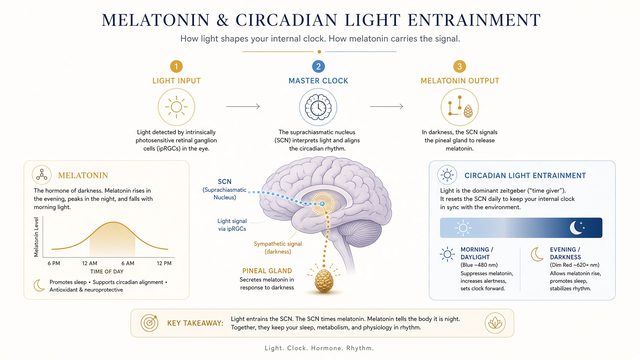
- Use warm, dim light in the evening and bright, cool light in the morning.
- Block light in bedrooms with blackout curtains.
Sound
- Reduce unwanted noise with rugs, curtains, bookcases or acoustic panels.
- Offer quiet zones for focus, and separate them from social areas.
- Consider headphones, white noise or soft music to mask distractions.

Order and clutter
Research from Princeton by Sabine Kastner and colleagues found that multiple visual stimuli compete for neural representation and can reduce attention, which supports the idea that visual clutter is distracting. Keeping work surfaces clear, using storage and creating simple routines to tidy helps many people. Some people think best in less tidy spaces, so adjust to your style.
Color and decoration
Evidence on color is limited and context-dependent. Calm, natural tones often work for relaxation, and some stimulating accents can help in active areas. Personal meaning matters more than rules. Avoid overly busy patterns in spaces for concentration, especially for children who are easily distracted.
Nature
Add plants, natural materials, nature views or images. Open windows when air is clean. Create a small garden or balcony space.
Layout and flexibility
- Match spaces to tasks: a clear desk for focus, a comfortable chair for reading, and a table for collaboration.
- Support movement: standing options, space for stretching.
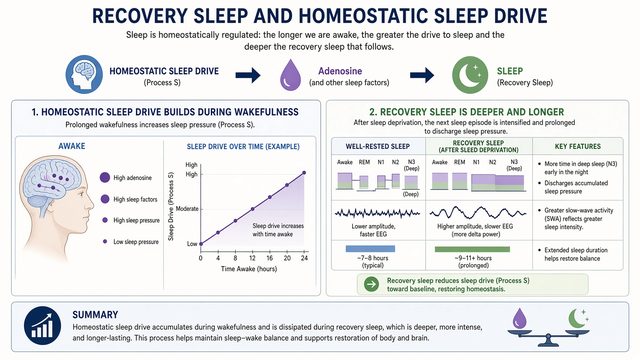
- Create a sleep sanctuary: cool, dark, quiet, and reserved for rest.
- Define transitions: a doorway, rug or lamp can signal switching modes.
- Give choice and control: adjustable lighting, seating and temperature increase comfort.
Temperature and air
Keep rooms comfortably cool for work and sleep, and ventilate regularly. Houseplants alone do not significantly purify air at household scale, so rely on ventilation and filters when needed.
Accessibility and dementia-friendly design
Use high-contrast surfaces, non-glare floors, good lighting, clear signs and pictures, handrails, and uncluttered, consistent layouts, which also help older people and those with vision problems.
Digital spaces
Declutter devices, organize files, and silence notifications. A calm digital environment supports focus as much as a tidy desk.
A starter checklist
Try one change per week. First, open the curtains in the morning. Second, clear one surface. Third, add a plant or a nature photo. Fourth, set up a quiet corner with a comfortable chair. Fifth, dim the lights after dinner. Notice how each change affects your focus and mood, and keep the ones that help.
Spaces for children
Give children a tidy play area, low shelves for choosing toys, a cozy reading nook and a calm bedroom. Rotating toys reduces clutter and sustains interest.
Shared spaces
When several people share a space, negotiate quiet times, signal focus with headphones or a sign, and respect each other's preferences.
Takeaway
Design with how you want to feel and what you need to do. Small changes to light, sound, order and nature add up.
Further reading from authoritative sources
- National Institute of Mental Health (NIMH)
- National Institute of Neurological Disorders and Stroke (NINDS)
This article is educational and does not replace advice from a licensed clinician. See the medical disclaimer. Looking for specialist care? Browse the neurology clinic directory.