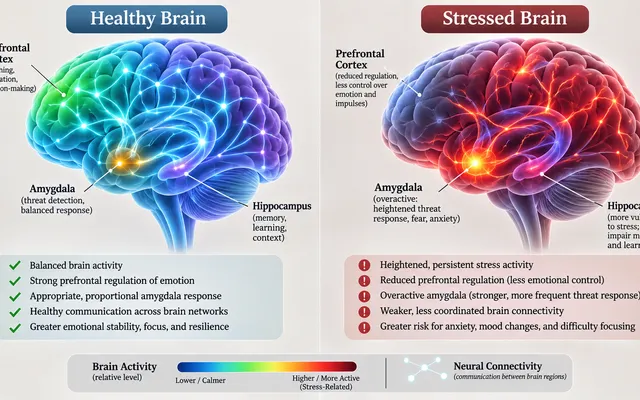
The Science of Multivitamins and Brain Health
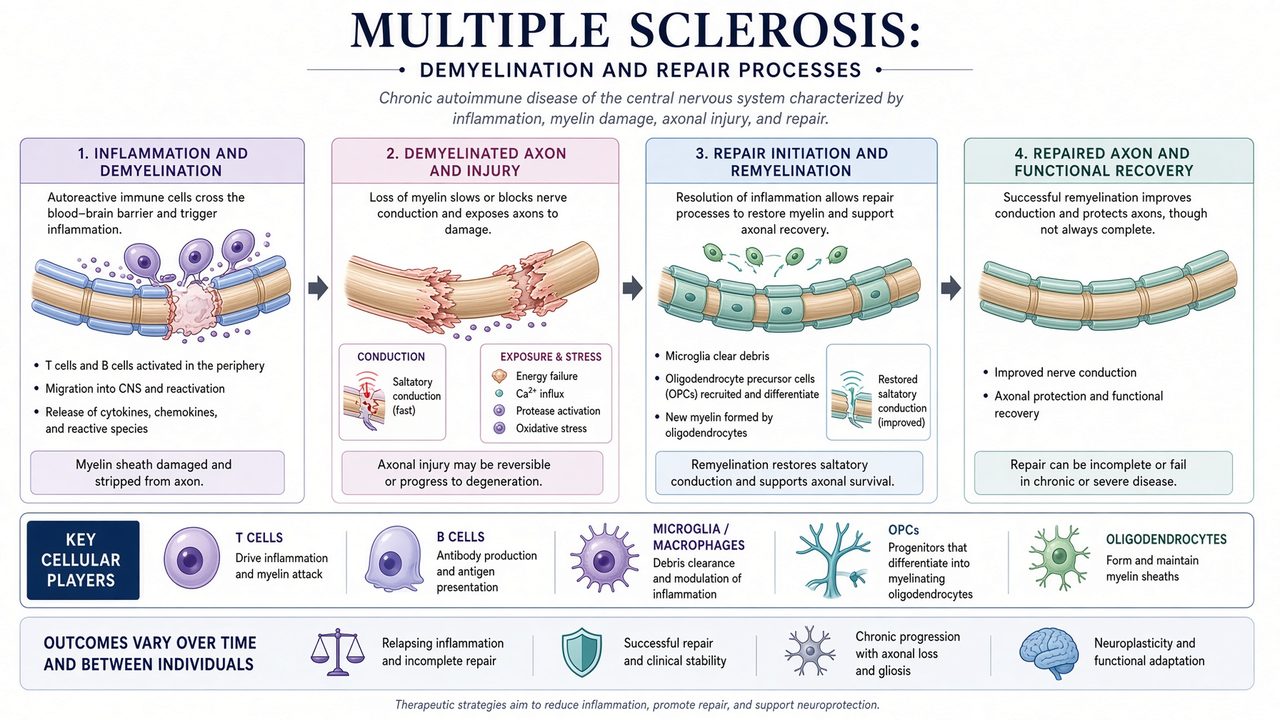
Multivitamins are among the most popular supplements in the world, and many people take them hoping to protect thinking skills as they age. The evidence is encouraging in a narrow way and far from a license to skip a healthy diet.
What the best trial found
The COSMOS-Mind study, led by researchers at Wake Forest University School of Medicine and Columbia University, randomly assigned more than 2,200 adults aged 65 and older to take a daily multivitamin-mineral supplement or a placebo for about three years. Participants completed cognitive tests by telephone. The multivitamin group showed a small but statistically significant advantage on global cognition and episodic memory compared with placebo. The researchers estimated that the difference was roughly equivalent to slowing age-related cognitive change by about two years. A separate cocoa flavanol arm in the same trial did not show a significant cognitive benefit.
Why the results are limited
- Modest size: the difference was small and may not be noticeable in daily life.
- Participants: the group was mostly older, well-educated and relatively healthy, so results may not apply to everyone.
- Possible mechanism: people with poorer diet quality at baseline appeared to benefit more, which suggests that the supplement may help correct marginal shortfalls instead of boosting a well-nourished brain.
- Replication: earlier large trials, including the Physicians' Health Study II, found mixed or small effects on cognition, and findings need confirmation.
- Duration: three years is short compared with the decades over which dementia develops, so the trial cannot show whether a multivitamin lowers dementia risk.

Which nutrients matter for the brain
Vitamins B6, B12 and folate help regulate homocysteine and support myelin and neurotransmitter synthesis. Vitamin D, magnesium, zinc and iron each play roles in brain signaling and development, and deficiencies can impair thinking. Antioxidant vitamins C and E have been studied heavily, but trials of high-dose single antioxidants have mostly not prevented dementia, and high-dose vitamin E has raised safety questions in some populations.
Who might benefit
- Older adults with limited appetite or restricted diets
- People following strict vegan diets, who need a reliable B12 source
- People with absorption problems, such as after bariatric surgery or with certain gut conditions
- People with confirmed deficiencies identified by blood tests
- Pregnant people, who commonly take prenatal vitamins on medical advice
Cautions
- Food first: whole foods deliver fiber, polyphenols and healthy fats that pills lack.
- More is not better: fat-soluble vitamins A, D, E and K can accumulate, and excess iron is harmful for some people.
- Interactions: vitamin K affects warfarin, and some supplements interfere with thyroid or other medications.
- Quality varies: choose products with independent testing, such as USP verification.
- Do not self-treat memory problems: persistent forgetfulness deserves a medical evaluation, because treatable causes such as B12 deficiency, thyroid disease, depression and medication effects are common.
Practical approach
Ask a doctor or dietitian whether blood tests for B12, vitamin D or iron make sense for you. If your diet is varied, you may need no supplement at all. If you do take a multivitamin, a standard dose product is generally sufficient, and the best investment for your brain remains exercise, sleep, blood pressure control and social engagement.
Takeaway
A multivitamin may offer a small cognitive edge for some older adults, mostly by filling nutritional gaps. Treat it as a modest backup to a good diet, not a memory pill.
Further reading from authoritative sources
This article is educational and does not replace advice from a licensed clinician. See the medical disclaimer. Looking for specialist care? Browse the neurology clinic directory.