The Science of Sauna and Brain Health
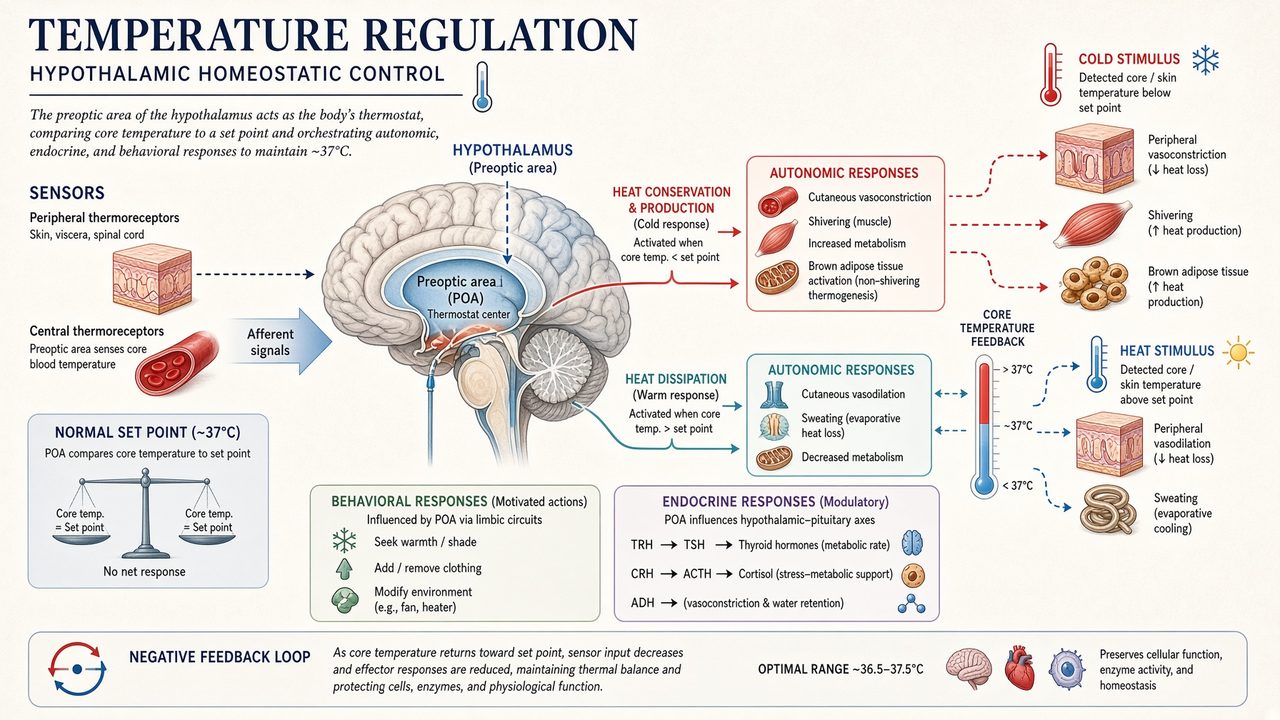
Finland has more saunas than cars, and Finnish researchers have turned that habit into a long-running natural experiment. Some of the findings suggest that frequent sauna bathing is linked to a lower risk of dementia, though the evidence is observational.
What the research found
The Kuopio Ischemic Heart Disease Risk Factor Study, led by Jari Laukkanen at the University of Eastern Finland, followed more than 2,300 middle-aged men for about two decades. Men who used a sauna four to seven times a week had about 66 percent lower risk of dementia and 65 percent lower risk of Alzheimer's disease than men who used it once a week, after adjustment for other factors. The same cohort showed lower risks of fatal cardiovascular events, stroke and high blood pressure with frequent use. Higher frequency and longer sessions showed stronger associations in a dose-response pattern.
Possible reasons
- Blood vessels and blood pressure: heat exposure raises heart rate to levels similar to light to moderate exercise, improves endothelial function and lowers blood pressure over time.
- Inflammation: regular sauna use is associated with lower markers of inflammation such as C-reactive protein.
- Heat shock proteins and BDNF: heat may increase protective cellular responses, and some studies show increased brain-derived neurotrophic factor.
- Stress and mood: relaxation, social time and sleep quality may contribute. Some studies have reported mood improvements after sauna sessions.
- Healthy lifestyle: regular sauna users might differ in other ways, such as fitness, social connection and income.

What the data cannot say
The studies are observational, were done largely in Finnish middle-aged men and rely on self-reported use. They cannot rule out confounding or reverse causation, for example, people who are healthier may be more able to use saunas. Randomized trials on brain outcomes are lacking, and results may not apply to women, other populations or dry versus infrared saunas, since most data concern traditional Finnish saunas at around 80 to 100 degrees Celsius.
Safety
- Start gently: five to ten minutes at a time, working up to 15 to 20, with cool-down breaks.
- Hydrate before and after, and avoid alcohol, which raises the risk of fainting and heart events.
- Leave if you feel dizzy, nauseated or unwell.
- Talk to a doctor first if you have heart disease, low blood pressure, are pregnant, take medications that affect blood pressure or sweating, or have a condition such as unstable angina or recent heart attack.
- Do not use saunas when ill with fever.
- Men trying to conceive may want to know that heat can temporarily lower sperm count.
- Older adults should take extra care.
- Do not treat as a dementia treatment. Sauna is not a replacement for exercise, blood pressure control or medical care.
Making it a habit
If sauna is available to you, a realistic routine is two to three sessions a week, building gradually. Pair it with other protective habits instead of relying on it alone, such as regular exercise, a plant-rich diet and good sleep. If you do not have access to a sauna, a warm bath or regular brisk walking delivers many of the same cardiovascular and relaxation effects.
Takeaway
Regular sauna bathing may be a pleasant addition to a heart-healthy and brain-healthy lifestyle, but the evidence so far is suggestive, not conclusive. Enjoy it safely.
Further reading from authoritative sources
This article is educational and does not replace advice from a licensed clinician. See the medical disclaimer. Looking for specialist care? Browse the neurology clinic directory.