Vaping and Brain Health: What We Know

Electronic cigarettes arrived as a supposedly safer alternative to smoking, and for adult smokers who switch completely they may reduce exposure to some toxins. For brain health, however, the main concern is nicotine itself, especially in young people.
Why adolescence is a sensitive window
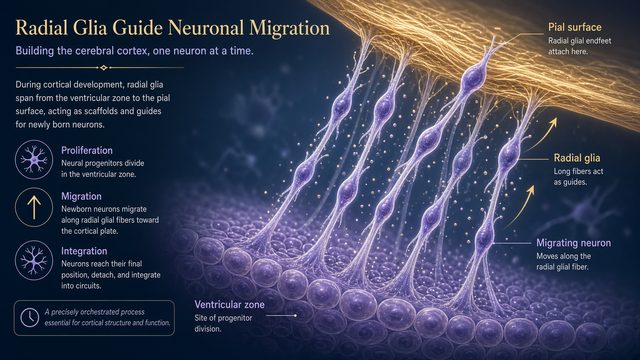
The brain keeps developing into the mid-twenties, with the prefrontal cortex, which handles planning and impulse control, among the last regions to mature. Animal studies show that nicotine exposure in adolescence alters synaptic development in prefrontal and reward circuits, leading to lasting changes in attention, learning and impulsivity. Human studies are harder to run, but several observational findings are consistent with these animal results.
What studies in people suggest
- Attention and learning: surveys of teens and young adults link vaping with self-reported difficulty concentrating, remembering and making decisions, although causation is difficult to prove because people who vape may differ in other ways.
- Mood and stress: vaping is associated with higher rates of depression and anxiety symptoms in youth. People may vape to cope, and nicotine withdrawal itself can worsen irritability and anxiety, creating a cycle.
- Addiction: modern devices, especially those using nicotine salts, can deliver high doses of nicotine, and some young users develop dependence quickly. The U.S. Surgeon General has warned that youth e-cigarette use is a public health concern.
- Gateway question: several studies find that adolescents who vape are more likely to later smoke cigarettes, though scientists debate how much of that is a causal effect versus shared risk factors.
- Brain imaging: early imaging research is limited and has produced mixed results, so claims of specific brain damage from vaping should be treated cautiously.

Other ingredients
Vape liquids contain propylene glycol, vegetable glycerin, flavorings and sometimes cannabinoids. Heating can create aldehydes and other compounds. The 2019 outbreak of e-cigarette or vaping product use-associated lung injury, linked mainly to vitamin E acetate in illicit THC products, showed how unregulated products can cause serious harm. Effects of inhaled flavoring chemicals on blood vessels and the brain are under study, and long-term safety data do not yet exist.
Cardiovascular and stroke risk
Nicotine raises heart rate and blood pressure and stiffens arteries in the short term. Some studies link e-cigarette use to cardiovascular risk markers, though it is generally considered less harmful than combustible tobacco for adults who fully switch. Dual use, which means vaping while still smoking, offers little benefit.
Vaping to quit smoking
Some clinical trials, including a well-known New England Journal of Medicine trial in the UK, found that e-cigarettes helped adult smokers quit at higher rates than nicotine replacement products. Many health agencies say that, for adult smokers who cannot quit with approved methods, switching completely may reduce harm, but that nonsmokers and young people should not start. The goal for most people is eventually to stop all nicotine use.
Practical advice
- Do not start if you do not already use nicotine.
- Parents: talk openly, avoid shaming, and ask what your teen understands. Programs such as the free "This Is Quitting" text service are designed for young people.
- If you want to quit, talk to a doctor about counseling and approved medications.
- Watch for signs of dependence: cravings, irritability when unable to vape, and using more than intended.
- Protect others: avoid vaping around children and pregnant people.
Takeaway
Vaping may be less toxic than smoking for adults who switch, but nicotine is still a risk to the young brain, and the long-term story is unfinished. The safest option for brain health is not to use nicotine at all.
Further reading from authoritative sources
This article is educational and does not replace advice from a licensed clinician. See the medical disclaimer. Looking for specialist care? Browse the neurology clinic directory.