Vitamin D and Cognitive Decline
Observational studies have repeatedly found that older adults with low vitamin D levels have poorer cognition and higher dementia risk. Yet when researchers test whether giving vitamin D prevents decline, the results have been disappointing for most people.
The case for a link
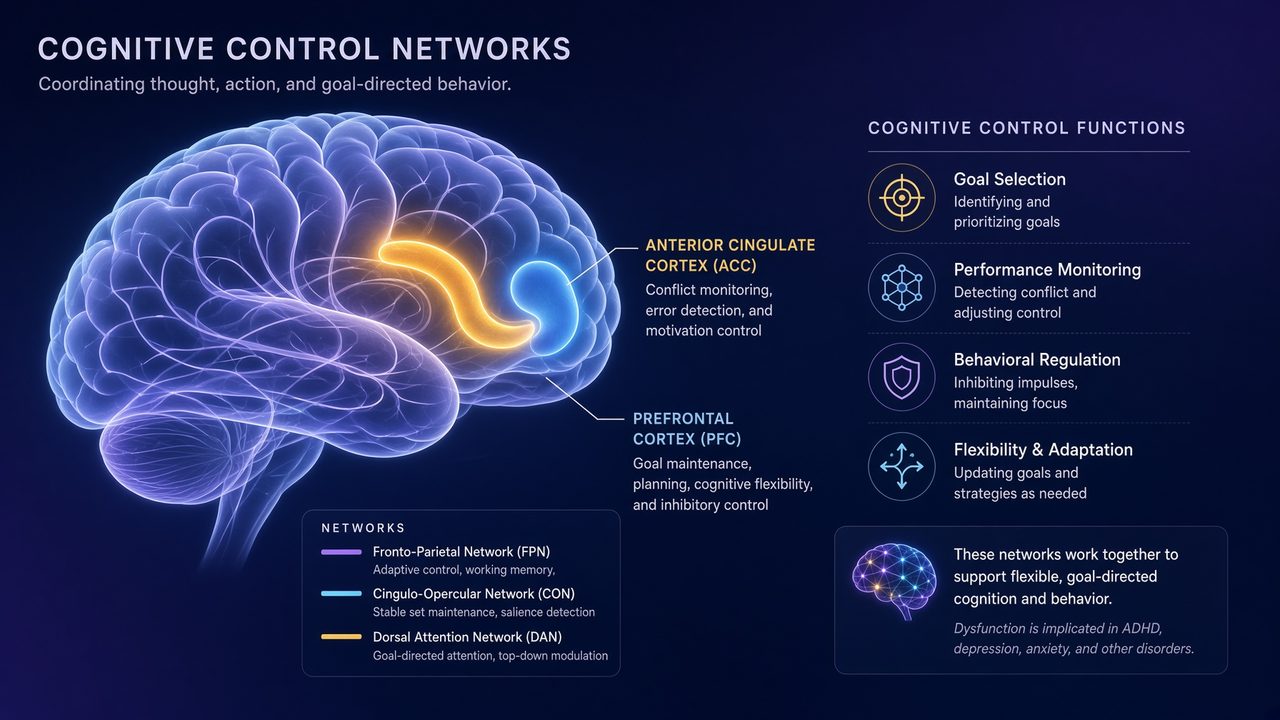
- Biology: vitamin D receptors are found throughout the brain, particularly in the hippocampus. Vitamin D influences neurotrophic factors, calcium signaling, inflammation and clearance of amyloid in laboratory models.
- Observational data: the Cardiovascular Health Study by Thomas Littlejohns and colleagues found that older adults with severe deficiency had more than double the risk of all-cause dementia and Alzheimer's disease compared with those with adequate levels. A Mendelian randomization study using genetic variants for vitamin D found evidence that lower vitamin D levels may be causally related to dementia risk, in a study by Winston Thomas and colleagues, but results are debated.
- Brain imaging: low vitamin D has been linked to white matter lesions, smaller brain volumes and faster decline in some studies.
What the trials show
- VITAL trial: among more than 25,000 adults in the United States, vitamin D3 at 2,000 IU per day did not improve cognition over five years compared with placebo, and an ancillary study of cognitive function found no benefit.
- WHI Memory Study: calcium and vitamin D supplementation did not reduce the risk of dementia in postmenopausal women.
- D-Health, DO-HEALTH and other trials: found no overall cognitive benefits.
- Observational analyses within trials: a study from the Alzheimer's Disease Centers found that people who took vitamin D supplements had lower dementia incidence than those who did not, suggesting possible benefit, particularly in those with normal cognition and in women, but it was not randomized.
- Why trials may fail: most participants were not deficient, doses and durations may not have been enough, and cognitive decline develops over decades, and a vitamin D benefit may be small and confined to deficient people.
- Bottom line: vitamin D deficiency should be corrected, but there is no reliable evidence that supplements prevent dementia in people with adequate levels.

Who should consider testing
Older adults with limited sun exposure, people with darker skin at higher latitudes, those with obesity, malabsorption, kidney or liver disease, or taking medications that affect vitamin D metabolism, and people with osteoporosis or falls. Testing means a 25-hydroxyvitamin D blood test. Levels below 12 ng/mL (30 nmol/L) indicate deficiency, and below 20 ng/mL (50 nmol/L) is inadequate for bone health, according to the National Academy of Medicine.
Getting enough safely
- Sun exposure in moderation, as described elsewhere
- Diet: fatty fish, fortified milk and cereals, egg yolks
- Supplements: typical intake is 600 to 800 IU per day for adults, with up to 4,000 IU per day as the upper limit unless a doctor prescribes more. Excess causes hypercalcemia, kidney stones and other issues.
- Interactions: vitamin D interacts with certain medications, such as thiazide diuretics and some anticonvulsants.
- Other brain-healthy habits: exercise, a healthy diet, blood pressure control, social and mental activity matter more for cognitive decline.
Takeaway
Vitamin D matters for the brain mostly as a problem to avoid, not as a proven brain booster. Ask a doctor about testing if you are at risk.
Further reading from authoritative sources
This article is educational and does not replace advice from a licensed clinician. See the medical disclaimer. Looking for specialist care? Browse the neurology clinic directory.