Zinc and Brain Health

Zinc is a trace mineral present in high concentrations in the brain, especially the hippocampus. It shapes how neurons communicate and supports immune defenses. Deficiency affects development and mood, while excess is harmful, so more is not better.
What zinc does
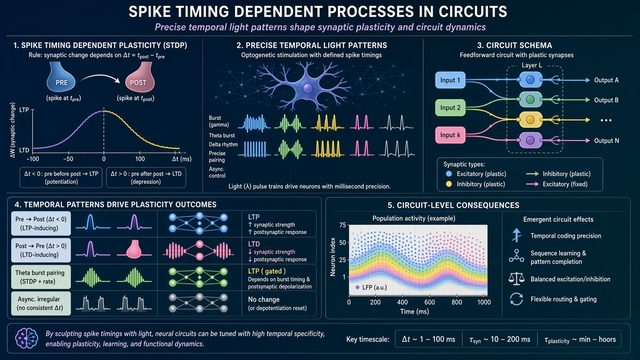
- Synaptic signaling: some glutamate neurons store zinc in vesicles and release it with the neurotransmitter. Zinc modulates NMDA receptors, AMPA receptors and GABA receptors, influencing learning and memory plasticity.
- Enzyme cofactor: over 300 enzymes require zinc, including those for DNA synthesis and antioxidant defenses.
- Neurogenesis: supports neural progenitor cells and brain development.
- Immune function and wound healing.
- Gene regulation: zinc finger proteins regulate transcription.
- Balance with copper: high zinc intake can cause copper deficiency, leading to neurological problems.
Evidence for health outcomes
- Development: zinc deficiency in pregnancy and childhood is linked with impaired growth, cognition and motor development, particularly in low-income settings. Supplementation improves growth and reduces diarrhea and pneumonia, with mixed effects on cognition.
- Depression: meta-analyses find lower blood zinc levels in people with depression, and some trials show that zinc supplementation as an add-on to antidepressants improves depression scores, particularly in treatment-resistant depression, though trials are small and heterogeneous. Zinc deficiency is associated with higher depression risk in observational studies.
- ADHD: studies are mixed, with some small trials showing modest benefit in children with low zinc levels.
- Cognition and aging: older adults often have low zinc intake. The relationship between zinc and cognitive decline is unsettled, with some observational links and no solid proof from trials. Zinc dysregulation is observed in Alzheimer's disease, where zinc can bind amyloid, and the picture is complex.
- Taste and smell: zinc deficiency impairs taste, and zinc nasal sprays were associated with loss of smell, so intranasal zinc products have been withdrawn in some countries.
- Common cold: zinc lozenges may shorten colds if started early, though the evidence varies.
- Stroke and brain injury: under investigation.

Who is at risk of deficiency
Vegetarians and vegans, since plant foods have phytates that bind zinc, older adults, pregnant and breastfeeding women, people with gastrointestinal disease or alcohol use disorder, and those with bariatric surgery or certain kidney or liver conditions.
Food sources and intake
Recommended intake is about 8 mg per day for women and 11 mg for men. Good sources include oysters (the highest), beef, crab, pork, poultry, pumpkin seeds, cashews, chickpeas, lentils, dairy and fortified cereals. Soaking, sprouting and fermenting grains and legumes improve zinc absorption.
Supplement cautions
The tolerable upper limit for adults is 40 mg of zinc per day. Long-term higher intake can lead to copper deficiency, anemia, nerve damage and impaired immunity. Zinc can interact with antibiotics and other medications. Talk to a clinician before taking zinc supplements, especially for months, and avoid high-dose supplements unless prescribed.
Takeaway
Zinc is important for brain function, and most people get enough from a varied diet. Targeted correction of deficiency is useful, while high-dose supplementation carries risks.
Further reading from authoritative sources
This article is educational and does not replace advice from a licensed clinician. See the medical disclaimer. Looking for specialist care? Browse the neurology clinic directory.