Alcohol and Sleep: What the Brain Loses
A nightcap may feel like a sleep aid, but research shows that alcohol undermines sleep quality in ways many people do not notice. The brain pays for the quick drowsiness later in the night.
How alcohol changes sleep
- Falling asleep: alcohol is a sedative that enhances GABA activity and reduces glutamate activity, which shortens the time to fall asleep.
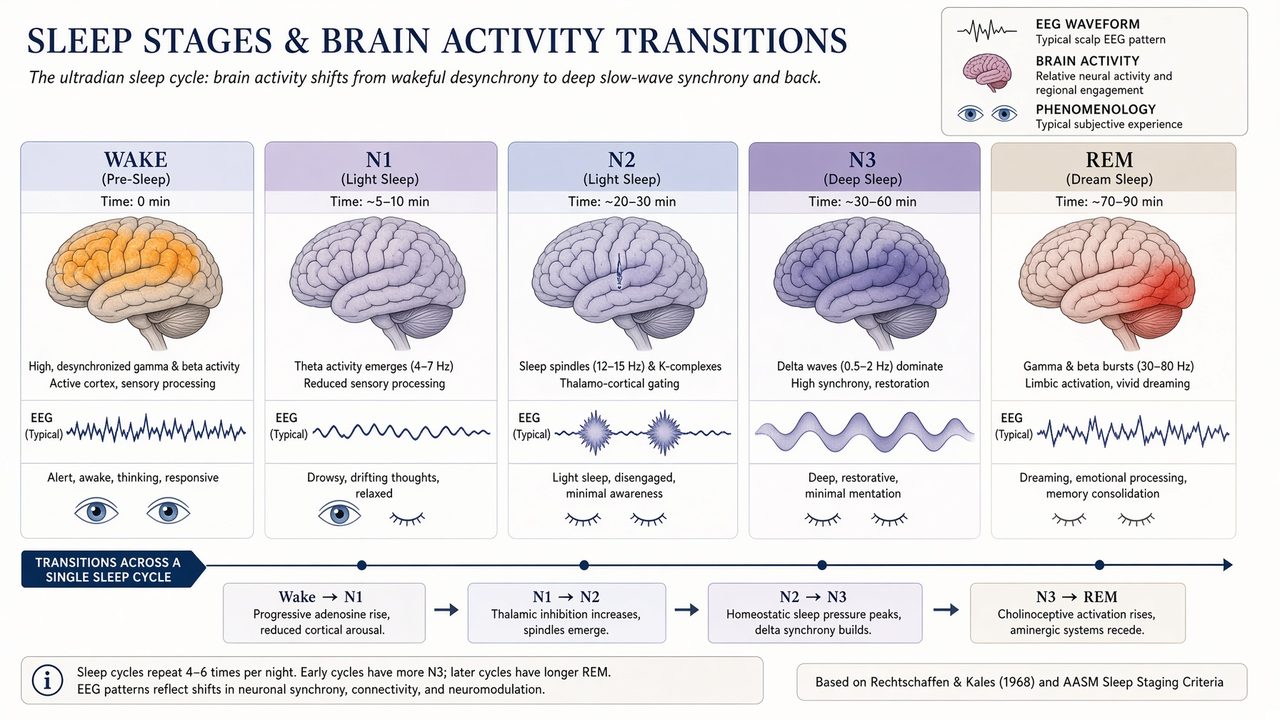
- First half of the night: alcohol increases deep slow wave sleep and suppresses REM sleep, as shown by studies of Irshaad Ebrahim and colleagues, and others.
- Second half of the night: as the body metabolizes alcohol, a rebound occurs with lighter, more fragmented sleep, more awakenings, vivid dreams and an increase in REM, along with sweating and heart rate elevations.
- Heart rate variability: a 2018 study of more than 4,000 people using wearable data found that even moderate alcohol reduced recovery measures such as heart rate variability during sleep, and low alcohol intake already reduced sleep quality by about 9 percent, with higher intakes having greater effects.
- Breathing: alcohol relaxes the throat muscles, increasing snoring and worsening obstructive sleep apnea, with longer and deeper oxygen drops.
- Bathroom trips and temperature: alcohol is a diuretic and raises body temperature.
- Next day: sleepiness, poor concentration, headache and mood disturbance.
Effects on memory and mood
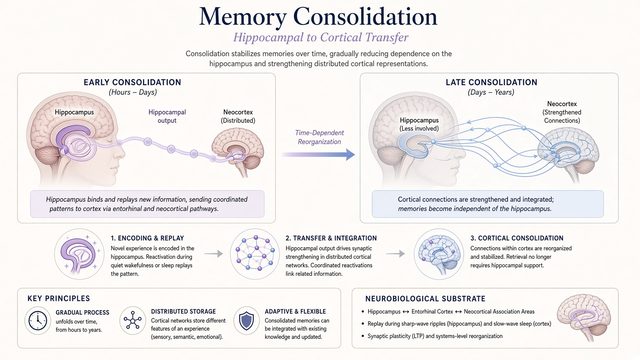
REM and slow wave sleep contribute to memory consolidation and emotional processing, so alcohol-disrupted sleep can impair learning. Studies suggest that alcohol after learning can reduce recall even when intoxication has ended. Chronic heavy drinking is associated with persistent insomnia, altered circadian rhythms, depression and anxiety, and higher risk of relapse in people recovering from alcohol use disorder when sleep problems persist.

Tolerance and dependence
Sedative effects fade with repeated use, so people may drink more to fall asleep, a pattern that can lead to dependence. During withdrawal, insomnia is common and can persist for weeks or months.
What to do instead
- Avoid alcohol within three to four hours of bedtime, and keep intake moderate, if at all.
- Create a wind-down routine: dim lights, a warm shower, reading, stretching.
- Keep a regular sleep schedule.
- Limit caffeine in the afternoon.
- Treat anxiety and stress with CBT, relaxation or breathing practices.
- Use CBT for insomnia (CBT-I), the first-line treatment, which is more effective than sleep medications in the long term.
- Check for sleep apnea if you snore or wake unrefreshed.
- Be careful with sleep aids: do not combine alcohol with sleep medications or sedating antihistamines.
- Get support if you find you rely on alcohol to sleep or cannot reduce use. In the United States, SAMHSA's helpline is 1-800-662-4357. People who drink heavily should not stop abruptly without medical advice, since withdrawal can be dangerous.
Does the type of drink matter
Beer, wine and spirits all affect sleep through the alcohol they contain, so switching drinks does not solve the problem. Larger amounts have larger effects, and drinking later in the evening leaves less time for the body to clear alcohol before sleep. Women, older adults and smaller people often feel the effects at lower amounts. If you choose to drink, finishing well before bedtime, eating food and alternating with water reduces the impact on the night ahead.
Takeaway
Alcohol steals the quality of sleep even when it speeds the start. Choosing other ways to wind down protects the sleep your brain depends on.
Further reading from authoritative sources
- National Institute of Neurological Disorders and Stroke (NINDS)
- National Center for Complementary and Integrative Health (NCCIH)
This article is educational and does not replace advice from a licensed clinician. See the medical disclaimer. Looking for specialist care? Browse the neurology clinic directory.