Biofeedback for Insomnia: Training the Body to Sleep
Lying awake with a racing mind and a tense body is a hallmark of insomnia. Because chronic insomnia is often linked to a state of physiological arousal, researchers have explored whether biofeedback can help people reduce that arousal and fall asleep more easily.
Why target arousal?
Studies of people with insomnia often find higher heart rate, greater muscle tension, elevated body temperature and more fast brain activity around sleep onset. If the body stays in a state of alertness, the brain finds it harder to drift off. Biofeedback targets these signals directly.
Methods used
Electromyography (EMG) biofeedback
Sensors on the forehead or jaw measure muscle tension. Seeing the signal fall as you relax can help train deep muscle relaxation, which may reduce the time it takes to fall asleep.
Heart rate variability biofeedback
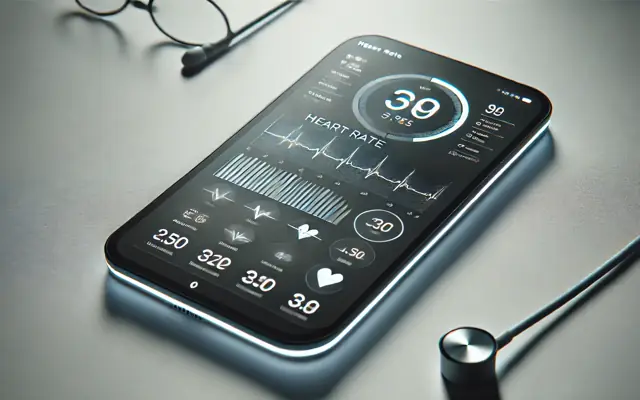
Slow, paced breathing increases heart rate variability and engages calming parts of the nervous system. People practice in the evening, using a sensor and a display that guides breathing.
Thermal feedback
Temperature sensors on the fingers show hand warmth, which tends to rise as the body relaxes and blood vessels dilate.
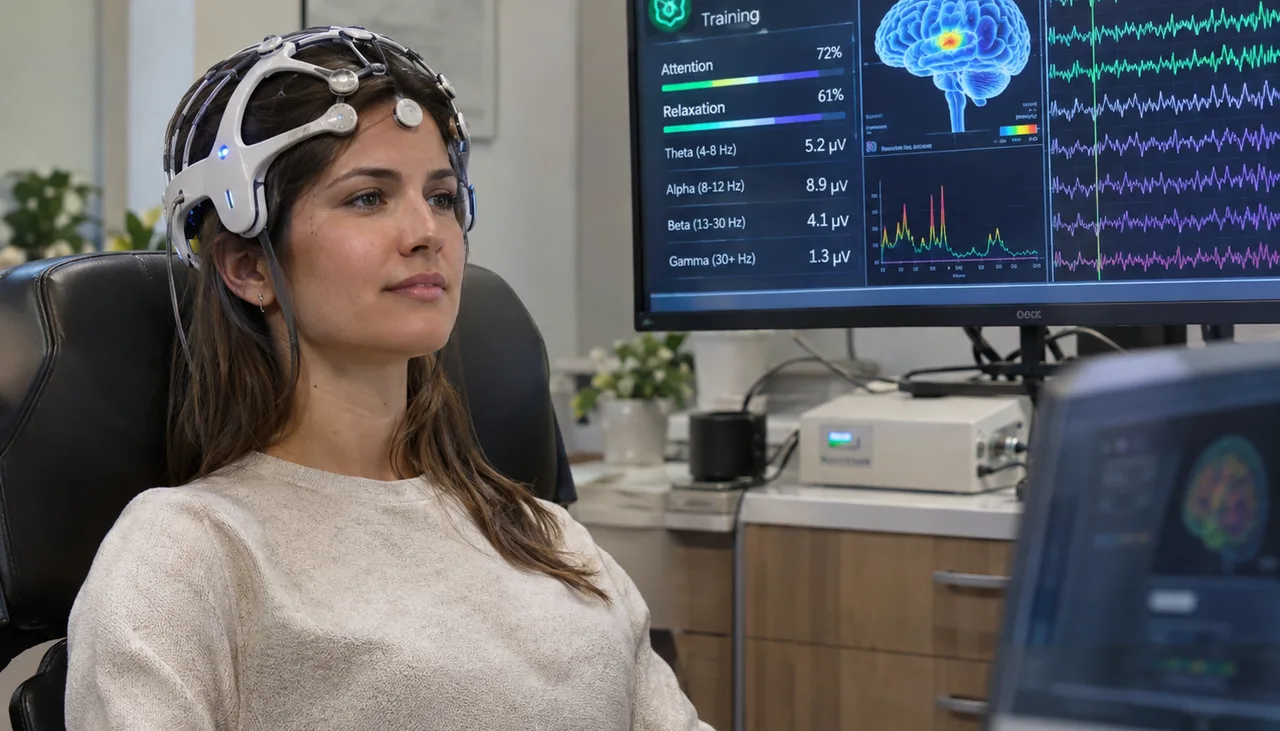
Neurofeedback
Some protocols train the sensorimotor rhythm or other EEG patterns associated with relaxed alertness and sleep stability. Studies exist, but they are generally small and vary in design.

What the research suggests
Small controlled studies and reviews report that biofeedback can shorten the time it takes to fall asleep and improve sleep quality for some people with insomnia. Evidence is stronger for relaxation-based methods than for neurofeedback. However, the overall research is limited, and biofeedback has not been shown to outperform cognitive behavioral therapy for insomnia (CBT-I), which remains the recommended first-line treatment.
A reasonable way to think about biofeedback is as a tool within a broader approach. It can complement CBT-I, especially for people whose main difficulty is physical tension or whose anxiety about sleep is strong.
What a typical program looks like
1. Assessment. A clinician reviews your sleep history and may ask you to keep a sleep diary. 2. Training sessions. Weekly sessions of 30 to 45 minutes teach relaxation and breathing while you watch live signals. 3. Home practice. You rehearse for 10 to 20 minutes daily, ideally in the early evening and then in bed. 4. Review. You track progress with diaries and questionnaires.
Tips for using these skills at night
- Practice during the day first, so the skill is automatic.
- Keep the practice relaxed and do not treat it as a performance. Trying too hard can backfire.
- Combine with a consistent schedule, a wind-down routine and good sleep habits.
- Avoid using bright screens as feedback displays in bed; practice earlier or use devices without bright displays.
Cautions
Consumer sleep gadgets can encourage excessive monitoring, which some people find makes insomnia worse. If checking your data raises your anxiety, put the device away. People with sleep apnea, restless legs syndrome or other medical disorders need those conditions diagnosed and treated, because biofeedback will not fix them.
When to see a clinician
If insomnia lasts more than a few weeks, or if you have loud snoring, gasping, severe daytime sleepiness or low mood, seek medical evaluation. A sleep specialist or psychologist can provide CBT-I and decide whether biofeedback might be a useful addition.
Further reading from authoritative sources
- National Institute of Neurological Disorders and Stroke (NINDS)
- National Center for Complementary and Integrative Health (NCCIH)
This article is educational and does not replace advice from a licensed clinician. See the medical disclaimer. Looking for specialist care? Browse the neurology clinic directory.