How Much Sleep Do You Really Need?
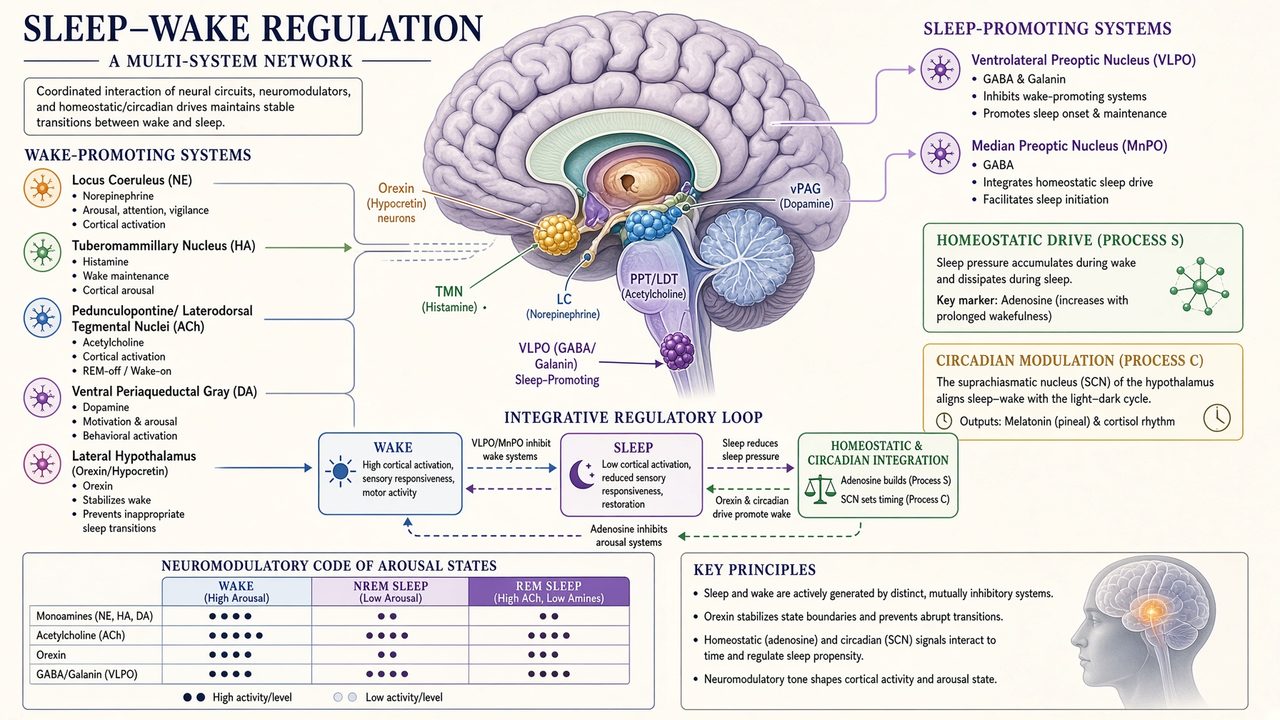
Do you really need eight hours? The answer depends on age, genetics and health, but science points to a surprisingly consistent range, and most people underestimate how much sleep loss affects them.
Recommended ranges
Expert panels, such as the American Academy of Sleep Medicine and Sleep Research Society, and the National Sleep Foundation, recommend approximately:
- Newborns (0 to 3 months): 14 to 17 hours
- Infants (4 to 11 months): 12 to 15 hours
- Toddlers (1 to 2 years): 11 to 14 hours
- Preschool (3 to 5 years): 10 to 13 hours
- School age (6 to 12 years): 9 to 12 hours
- Teens (13 to 18 years): 8 to 10 hours
- Adults (18 to 64): 7 to 9 hours (at least 7)
- Older adults (65+): 7 to 8 hours
Why needs differ
Genetics play a role. Rare variants, such as a mutation in the DEC2 gene described by Ying-Hui Fu and Louis Ptáček, allow some "natural short sleepers" to feel rested on about four to six hours. These people are very rare, and most who think they thrive on little sleep do not have such variants. Studies show that people chronically restricted to six hours report feeling only slightly sleepy, but their performance on attention tests steadily declines, a phenomenon documented by David Dinges and Hans Van Dongen, which means that people underestimate their impairment.

Consequences of too little
- Reduced attention, memory, decision making and reaction time
- Greater emotional reactivity, irritability and risk of depression and anxiety
- Higher risk of obesity, type 2 diabetes, high blood pressure, heart disease and weakened immunity
- Increased accident risk, particularly drowsy driving
- Cumulative effects: sleeping six hours a night for two weeks produced performance deficits equal to two nights of total sleep deprivation in one study
Too much sleep?
Consistently sleeping more than nine hours is associated with health problems in observational studies, but this likely reflects underlying conditions such as depression, sleep apnea or chronic illness, rather than sleep itself. Young adults, those recovering from sleep debt and people who are ill may legitimately need more.
How to tell if you get enough
- You wake up without an alarm, at about the same time, feeling reasonably refreshed.
- You can stay alert during the day without heavy caffeine.
- You do not fall asleep within five minutes of lying down, which can suggest sleep deprivation, nor take longer than 30 minutes consistently.
- You sleep much longer on days off, which often indicates sleep debt.
- Mood and concentration are stable.
Quality counts as well
Duration alone is not enough. Fragmented sleep from apnea, pain or noise reduces restoration. Regular timing matters, since irregular sleep schedules are linked to poorer health independent of total sleep time.
Getting the sleep you need
- Set a consistent wake time and count backward to find your bedtime.
- Protect the sleep window, treating it as important as other commitments.
- Make the bedroom dark, cool and quiet.
- Avoid late caffeine and alcohol.
- Reduce bright screens and stimulation before bed.
- Get daylight and exercise.
- Address sleep disorders such as insomnia and apnea.
- Consult a doctor if you consistently sleep enough but remain exhausted.
Takeaway
Seven to nine hours suits most adults, and individual needs fall within that range. Listen to your alertness, not your ego.
Further reading from authoritative sources
- National Institute of Neurological Disorders and Stroke (NINDS)
- National Center for Complementary and Integrative Health (NCCIH)
This article is educational and does not replace advice from a licensed clinician. See the medical disclaimer. Looking for specialist care? Browse the neurology clinic directory.