Sleep and Hormonal Health: The Brain's Endocrine Role
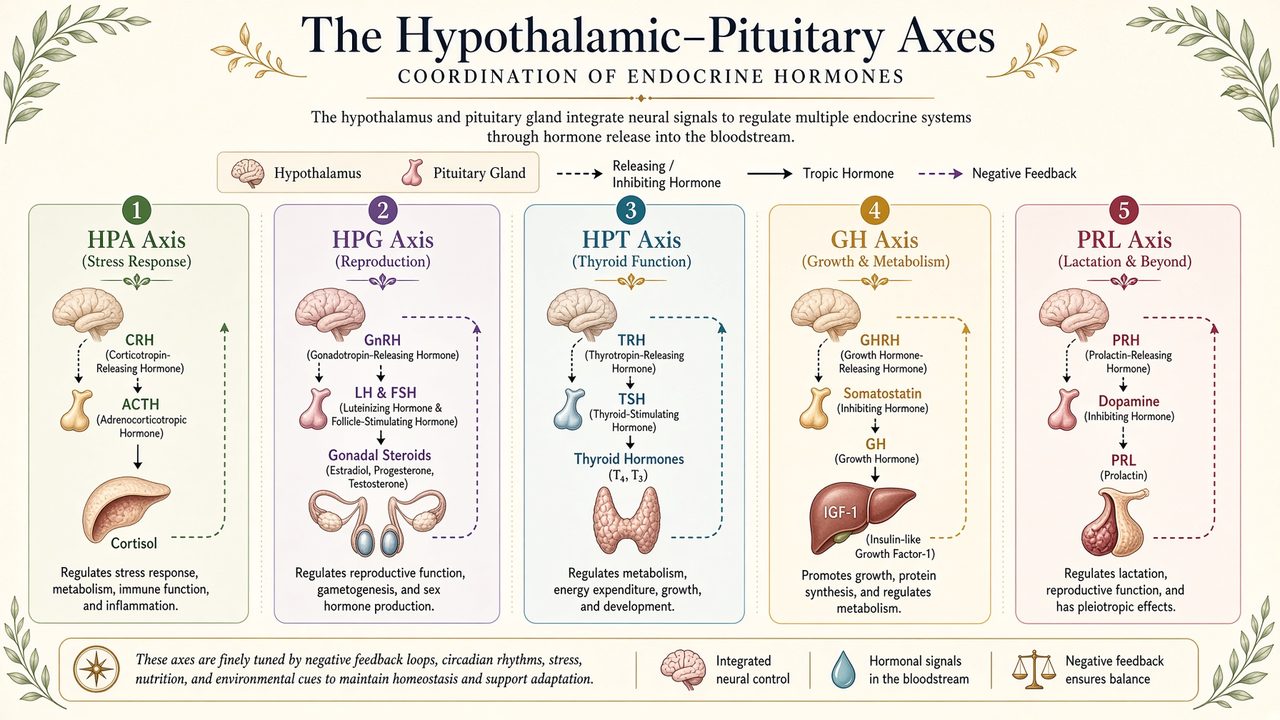
The brain's hypothalamus and pituitary gland run the body's hormonal system, and both are tightly tied to sleep and circadian rhythms. When sleep suffers, hormones follow.
Key hormones and sleep
- Cortisol: follows a circadian pattern with a low point near midnight and a peak shortly after waking. Sleep loss raises evening cortisol, flattens the rhythm and increases insulin resistance.
- Melatonin: produced by the pineal gland in darkness, signaling biological night. Evening light suppresses it, and shift work disrupts it.
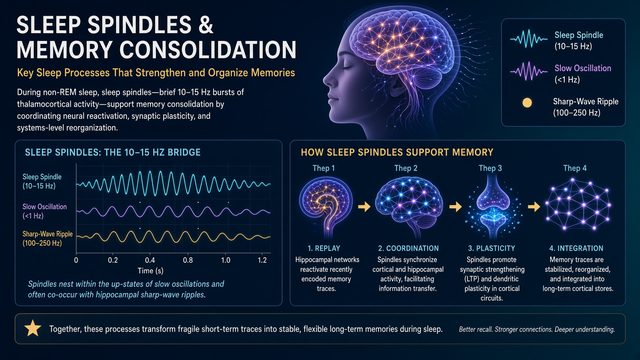
- Growth hormone: the largest pulse occurs during slow wave sleep in the first part of the night, supporting tissue repair, muscle and metabolism. Sleep loss and age reduce it.
- Insulin and glucose regulation: a study by Karine Spiegel and Eve Van Cauter found that restricting healthy young men to four hours of sleep for six nights impaired glucose tolerance to levels resembling prediabetes. Chronic short sleep raises type 2 diabetes risk.
- Leptin and ghrelin: short sleep lowers leptin and raises ghrelin, increasing hunger.
- Testosterone: peaks during sleep, and one week of sleep restriction to five hours reduced testosterone levels by 10 to 15 percent in young men, in a study by Rachel Leproult and Van Cauter. Sleep apnea is associated with low testosterone.
- Estrogen and progesterone: sleep patterns change across the menstrual cycle, with lighter sleep before menstruation. Perimenopause and menopause bring hot flashes and sleep disruption linked to declining estrogen, and pregnancy changes sleep through hormonal and physical factors. Progesterone has mild sedative effects.
- Thyroid hormones: thyroid disorders affect sleep, with hyperthyroidism causing insomnia and hypothyroidism causing sleepiness and sleep apnea. Sleep loss can alter thyroid-stimulating hormone.
- Prolactin and oxytocin: rise during sleep and support lactation and bonding.
- Antidiuretic hormone: reduces nighttime urine production, and its decline with age contributes to nocturia.
- Orexin: a neuropeptide controlling wake, and linked to appetite and energy balance.
The circadian link
The suprachiasmatic nucleus coordinates hormone secretion. Mismatches between the internal clock and behavior, as in shift work, jet lag and irregular schedules, desynchronize hormonal rhythms and increase metabolic and cardiovascular risk.
Conditions to be aware of
- Polycystic ovary syndrome, thyroid disease, Cushing's syndrome, diabetes and menopause involve both hormones and sleep disturbance.
- Sleep apnea affects hormonal balance, including cortisol, insulin and sex hormones.
- Hormone therapy and medications can alter sleep, and should be discussed with a doctor.
Supporting hormonal health through sleep
- Prioritize seven to nine hours and regular sleep timing.
- Get morning light and limit evening light.
- Eat on a regular schedule, and avoid late heavy meals.
- Exercise regularly, but not too late.
- Manage stress, which affects cortisol.
- Limit alcohol and caffeine.
- Address symptoms: talk to a clinician about menopausal sleep problems, hormone-related sleep issues, thyroid symptoms, snoring or fatigue.
- Use melatonin cautiously, as supplements vary in dose and quality, and effects on other hormones are not well studied. Ask a clinician.
- Do not self-treat with hormone supplements for sleep.
Takeaway
Sleep is a daily reset for the hormones that drive metabolism, stress and growth. Protecting it supports balance throughout the body.
Further reading from authoritative sources
- National Institute of Neurological Disorders and Stroke (NINDS)
- National Center for Complementary and Integrative Health (NCCIH)
This article is educational and does not replace advice from a licensed clinician. See the medical disclaimer. Looking for specialist care? Browse the neurology clinic directory.