Sleep and Immune Function: The Brain-Body Connection
Many people notice that they catch colds more easily when they are run down and sleep poorly. Research shows that sleep and the immune system are tightly linked, communicating through the brain, hormones and immune signaling molecules.
How sleep helps immunity
- Immune memory: during deep sleep, the immune system appears to consolidate memory of pathogens, much as the brain consolidates memories. Studies by Jan Born and Luciana Besedovsky show that slow wave sleep is associated with changes in hormone patterns, such as lower cortisol and higher growth hormone and prolactin, that favor immune cell communication, and with redistribution of T cells to lymph nodes.
- Cytokines: certain cytokines, such as interleukin-1 and tumor necrosis factor, promote sleep, which is part of why we feel sleepy when sick, and sleep may help the body fight infection.
- Circadian rhythms: immune cell numbers and activity vary across the 24-hour day.
Evidence from studies
- Colds: in a study by Sheldon Cohen, Aric Prather and colleagues, people sleeping less than six hours per night were about four times more likely to catch a cold after exposure to rhinovirus than those sleeping more than seven hours.
- Vaccines: a meta-analysis found that short sleep around the time of vaccination reduces antibody responses to vaccines, including hepatitis and influenza, particularly in men, and a night of sleep after vaccination supports the response, as in a study by Tanja Lange.
- Chronic inflammation: sleep restriction raises C-reactive protein, interleukin-6 and TNF-alpha. Chronic insufficient sleep is linked to increased risk of cardiovascular disease, diabetes and some cancers, through inflammation and other pathways.
- Wound healing and recovery: sleep deprivation slows healing in some studies.
- Autoimmune diseases: sleep disturbance is associated with flares in some conditions, and the relationship is two-way.
- COVID-19 and other infections: poor sleep is associated with higher risk of infection and worse outcomes in some observational studies.

The brain-body communication
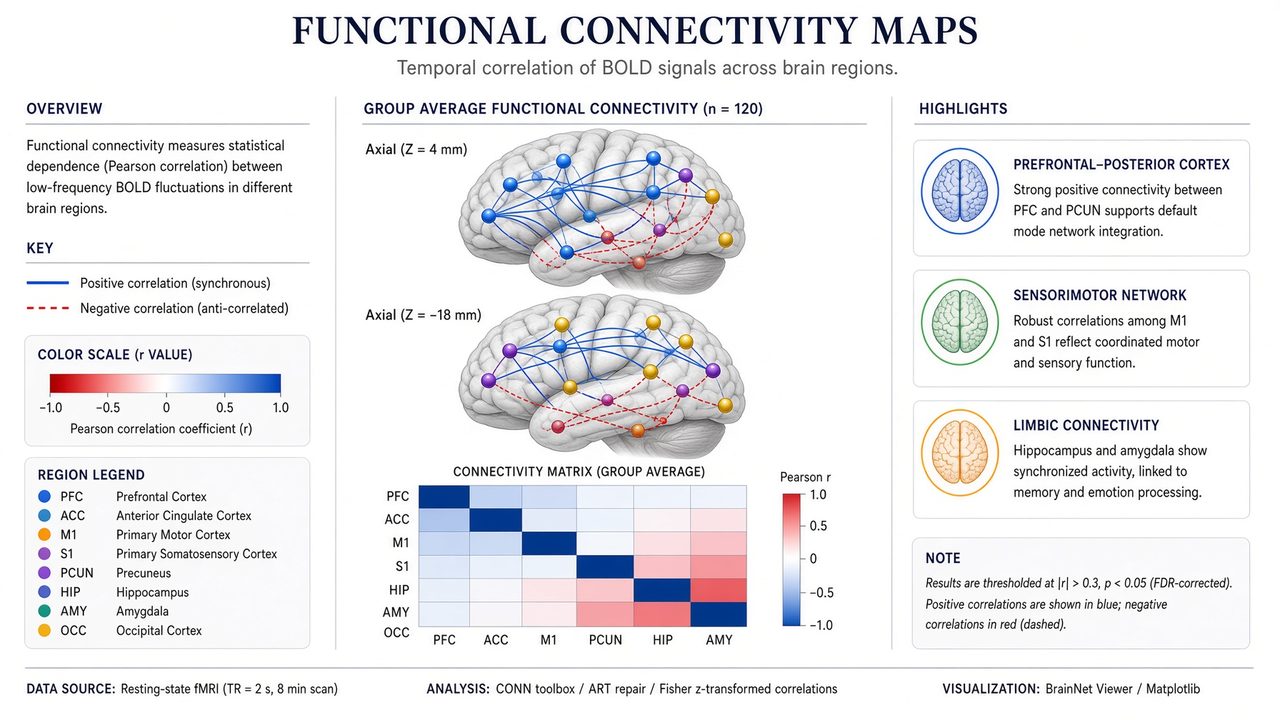
The hypothalamic-pituitary-adrenal axis and the sympathetic nervous system regulate immune cells, and stress and sleep loss increase cortisol and sympathetic activation. The vagus nerve conveys immune information to the brain. Immune signals, in turn, influence the brain, causing sickness behavior such as lethargy and reduced appetite. In the brain, the glymphatic system, active during sleep, clears waste products and may reduce neuroinflammation.
Sleep when you are sick
Sleeping more when ill is normal. Rest, hydration and medical care as needed support recovery. Avoid forcing activity. Persistent fatigue after infection should be discussed with a doctor.
Immune-friendly sleep habits
- Aim for seven to nine hours consistently, particularly around vaccination or illness exposure.
- Keep a regular schedule and morning light.
- Avoid alcohol before sleep.
- Manage stress with relaxation, exercise and social support.
- Exercise regularly, but avoid intense exertion late at night.
- Eat a balanced diet, and keep a cool, dark, quiet bedroom.
- Treat sleep disorders such as insomnia and apnea.
- Do not rely on supplements or sleep medications to prevent illness.
- Practice usual health measures: vaccinations, hand hygiene and medical checkups.
Takeaway
Sleep is a pillar of immune health. Protecting it helps the body defend itself and recover more effectively.
Further reading from authoritative sources
- National Institute of Neurological Disorders and Stroke (NINDS)
- National Center for Complementary and Integrative Health (NCCIH)
This article is educational and does not replace advice from a licensed clinician. See the medical disclaimer. Looking for specialist care? Browse the neurology clinic directory.