The Neurobiology of Dream Recall

Some people recall several dreams a week, while others say they never dream. In fact, everyone dreams, and differences in recall reflect brain activity, sleep patterns and habits.
Everyone dreams
Dreaming occurs in all sleep stages, though REM dreams tend to be longer, more vivid and more bizarre, and non-REM dreams are shorter and more thought-like. Studies by Francesca Siclari and Giulio Tononi found that people awakened from either REM or non-REM sleep report dreaming about 70 to 80 percent of the time, and that dreaming is associated with a "hot zone" of low-frequency activity decreases in posterior cortical regions, regardless of sleep stage. People who say they do not dream often just do not remember.
Why recall varies
- Waking during or soon after dreaming: a dream is lost quickly unless we wake up and attend to it. Memories fade within minutes. People who wake up more at night, or from REM, have better recall.
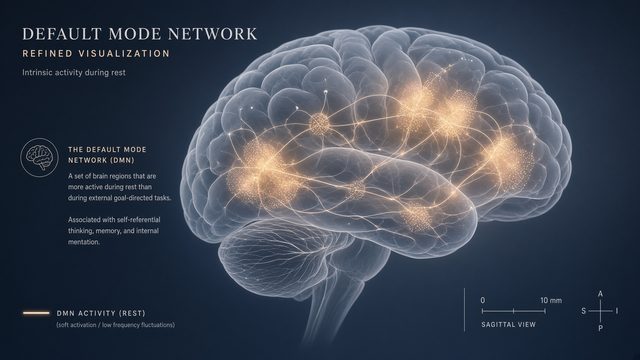
- Brain activity: Perrine Ruby, Aurélie Bidet-Caulet and colleagues found that high recallers had greater activity in the temporoparietal junction and medial prefrontal cortex and showed more awakenings during sleep, and their brains responded more strongly to environmental sounds, suggesting greater reactivity to the environment, which promotes waking and encoding of dream content.
- Memory systems: the hippocampus and prefrontal cortex are less active in REM, and the chemical environment is not conducive to forming lasting memories, except when waking.
- Personality and interest: attitudes toward dreams, creativity and openness to experience are associated with higher recall.
- Age and gender: recall is typically higher in younger people and in women, on average.
- Sleep quality and stress: stress, trauma and certain medications can increase vivid dreams or nightmares.
- Substances: alcohol, cannabis and some antidepressants suppress or alter REM and recall, and withdrawal from them can bring a rebound with vivid dreams. Vitamin B6 supplements may increase vividness in some people.
- Sleep deprivation and recovery: after sleep loss, REM rebound can cause intense dreams.

How to improve dream recall
- Set the intention before sleep to remember your dreams.
- Keep a journal and pen or a voice recorder near the bed.
- Wake naturally if possible, or with a gentle alarm, and stay still with your eyes closed for a minute, letting images return, before moving.
- Write immediately, including fragments, feelings and images, without judging.
- Sleep enough, since longer sleep includes longer REM periods in the morning.
- Avoid alcohol near bedtime.
- Review your notes regularly, which reinforces recall and reveals patterns.
- Be patient: recall often improves within a couple of weeks.
What dreams are for
Scientists propose that dreaming reflects memory processing, emotional regulation and simulation of social scenarios, though dream meaning is not settled, and there is no scientific support for fixed dream dictionaries. Dreams can reflect concerns and preoccupations, which some people find useful for self-reflection.
When to be concerned
Frequent distressing nightmares, acting out dreams (which may be REM sleep behavior disorder), or sudden changes in dream recall with other symptoms are reasons to speak to a doctor.
Takeaway
Remembering dreams is largely about waking up in the right moment and paying attention. Simple habits can open a window onto the sleeping mind.
Further reading from authoritative sources
- National Institute of Neurological Disorders and Stroke (NINDS)
- National Center for Complementary and Integrative Health (NCCIH)
This article is educational and does not replace advice from a licensed clinician. See the medical disclaimer. Looking for specialist care? Browse the neurology clinic directory.