Biofeedback for Families: Building Emotional Regulation Together
Emotional storms are part of family life. Biofeedback offers a way for parents and children to see how stress shows up in the body and practice calming skills together.
Why regulation matters
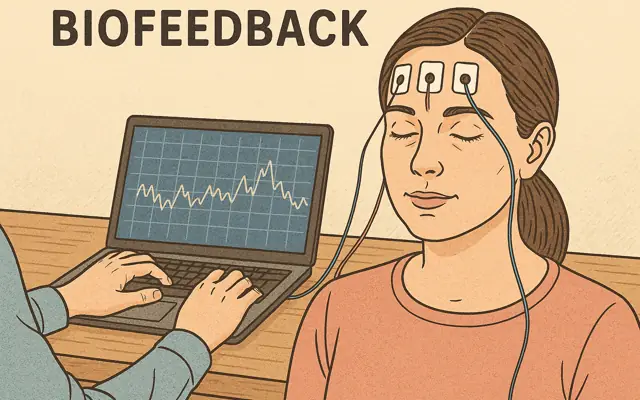
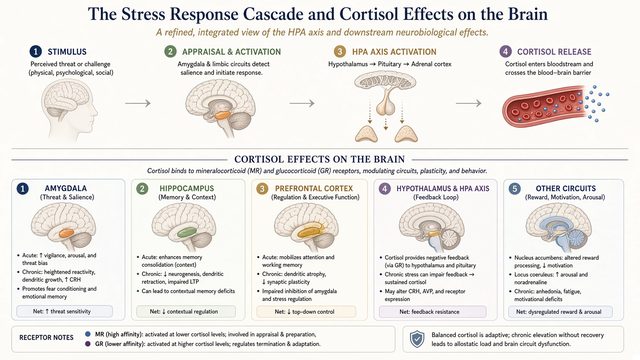
Children learn to calm themselves by first being calmed by caregivers, a process called co-regulation. Over time, with brain maturation of prefrontal control systems and practice, they develop self-regulation. Parents' stress and emotional reactions strongly influence children. Biofeedback makes the invisible visible, showing, for example, how breathing slows and heart rhythm becomes smoother when we relax.
Tools families can use
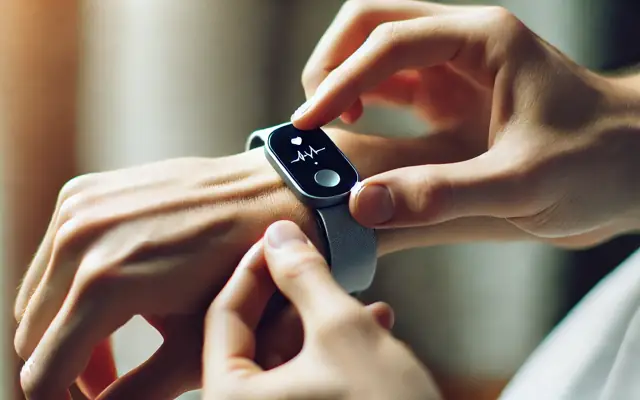
- Pulse sensors and apps that display heart rate and breathing guidance
- Finger temperature sensors: simple stick-on thermometers show that hands warm when relaxed.
- Breathing pacers: apps or visual tools such as an expanding circle to follow
- Heart rate variability games in clinics or at home
- Low-tech alternatives: hand on belly breathing, counting breaths, body scans and noticing a racing heart

Evidence
Studies of biofeedback in children show benefits for anxiety, headaches, constipation and ADHD symptoms in some trials. Parent-child programs that include relaxation and emotion coaching improve behavior. Research on heart rate variability biofeedback in adults shows reduced stress and anxiety, which can improve parenting. Family-based biofeedback studies are limited, so these approaches should be seen as supportive, not as proven treatments.
Practicing together
- Choose a calm time, not in the middle of a meltdown
- Start with fun: use a game or app, or have children blow bubbles or pinwheels to practice slow breaths
- Model first: parents practice and describe what they notice
- Keep sessions short, about 5 minutes
- Use simple language: "calm engine" and "racing engine"
- Make a calm kit or corner with soft items
- Practice daily, and use skills when upset
- Praise effort, not just results
- Pair with other approaches: emotion naming, problem solving, sleep and exercise
Cautions
- Avoid using biofeedback as punishment or pressure
- Do not rely on gadgets in place of connection
- Some children may find sensors uncomfortable
- Be mindful of data privacy with apps
- Seek professional help for persistent anger, anxiety, self-harm, panic or trauma symptoms
- Check with a doctor if a child has heart conditions before intense breathing exercises
Examples for different ages
Preschoolers can practice smell the flower, blow out the candle breathing. Elementary-age children enjoy watching a pulse sensor game react as they slow down. Teens often prefer private apps and may value choice, so invite them to try tools without pressure.
Parents' own regulation
Parents who notice their own heart racing and pause for three slow breaths before responding model a skill that children copy. Repair matters too, so returning after a rough moment to apologize and reconnect teaches that emotions can be handled.
Building a routine
Choose a regular time, such as after school or before bed, and keep the practice short and warm. Consistency matters more than length, and children are more likely to continue if it feels like time together.
Takeaway
Calm is contagious. Biofeedback practice can help the whole family learn to notice and shift stress together.
Further reading from authoritative sources
- National Institute of Mental Health (NIMH)
- National Institute of Neurological Disorders and Stroke (NINDS)
- National Center for Complementary and Integrative Health (NCCIH)
This article is educational and does not replace advice from a licensed clinician. See the medical disclaimer. Looking for specialist care? Browse the neurology clinic directory.