How Climate Change Affects Mental Health
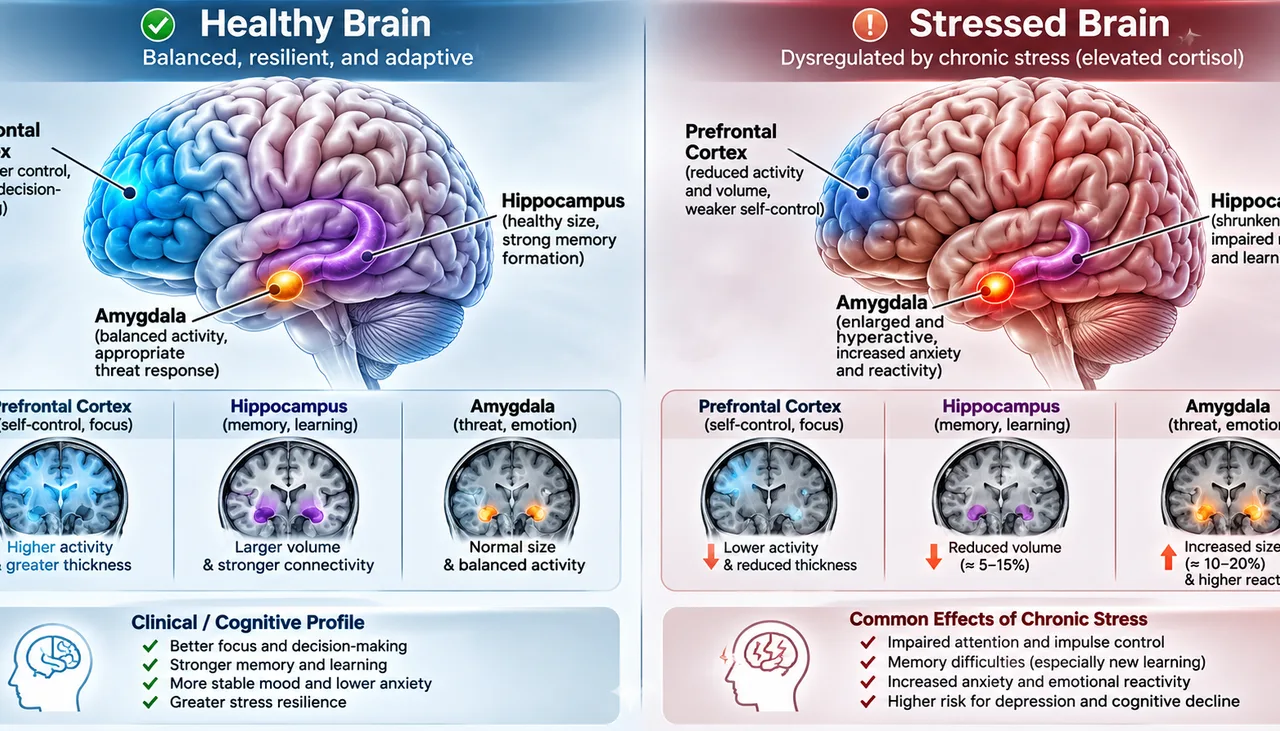
Climate change is a public health issue, and its effects on mental health and the brain are increasingly recognized. They include direct effects, such as heat and disasters, and indirect effects, including displacement, economic stress and worry about the future.
Direct effects
- Heat: high temperatures are associated with increased emergency visits for mental disorders, higher suicide rates in some studies, worsened symptoms for people with dementia and some medicines, and poorer sleep and cognitive performance. Heat can also trigger heat exhaustion and stroke. People taking antipsychotics or other medications that affect temperature regulation are at higher risk.
- Disasters: floods, hurricanes, wildfires and storms cause trauma, grief, post-traumatic stress disorder, and depression among survivors, with effects lasting years.
- Air pollution from wildfires affects respiratory and brain health.
Indirect effects
Displacement, loss of livelihood, food and water insecurity, and conflict add stress. Farmers and rural communities facing drought can experience financial and emotional strain. Communities that lose cultural connection to land experience ecological grief, as described by Glenn Albrecht as solastalgia.

Climate anxiety
Surveys show that many young people feel worried about climate change, and a large international survey led by Caroline Hickman and colleagues in 2021 of 10,000 young people found that a majority felt worried and many reported feelings of fear, sadness and betrayal. Eco-anxiety is not a mental illness, but it can be distressing, and for some it affects daily functioning.
Who is most affected
- Children and older adults
- People with existing mental or neurological conditions
- Low-income communities and those in poorly cooled housing
- Outdoor workers and farmers
- Indigenous communities and island nations
- Disaster responders
Coping and resilience
- Take action: engaging in practical steps, individually or collectively, can reduce helplessness
- Connect with others who share concerns
- Limit doomscrolling and take breaks from news
- Stay grounded: nature time, exercise, sleep and mindfulness
- Focus on what you can control
- Seek help if worry or grief becomes overwhelming; therapists increasingly address climate distress
- Prepare practically: emergency plans, cooling strategies and medication safety during heat
- Build community networks, which reduce harm in disasters
Policy and health systems
Health systems can plan for heat and disaster mental health needs, and cities can invest in green infrastructure, cooling centers and early warning systems. Mental health services should be part of disaster preparedness and recovery.
Talking with children
Children need honest, age-appropriate information, reassurance that adults are working on solutions, and concrete actions they can take, such as planting trees or reducing waste. Avoid overwhelming them with frightening news, and watch for sleep problems, clinginess or persistent worry.
Support for responders and communities
Disaster survivors benefit from psychological first aid, stable routines, connection with neighbors and timely access to counseling. Long-term follow-up matters, because distress can emerge months or years after an event.
Hope and meaning
Studies of activists and community groups suggest that taking meaningful action, even on a small scale, can reduce despair and foster a sense of purpose and connection.
Takeaway
Climate change affects minds as well as bodies. Preparedness, community and practical action support mental health.
Further reading from authoritative sources
- National Institute of Mental Health (NIMH)
- National Institute of Neurological Disorders and Stroke (NINDS)
This article is educational and does not replace advice from a licensed clinician. See the medical disclaimer. Looking for specialist care? Browse the neurology clinic directory.