How Foster Care Affects the Developing Brain
Foster care protects children who cannot safely live with their parents. Many entering care have experienced abuse, neglect or other adversity, and the care system itself can bring further disruptions. Research helps to explain how to support their brain development.
Starting point
Most children in foster care have experienced maltreatment or other adversity before entering care, which can affect stress regulation, attention, language and emotional development. Rates of mental health problems, learning difficulties and developmental delays are much higher than among other children. Prenatal exposure to alcohol or drugs and medical neglect contribute for some.
What research shows about placement
The Bucharest Early Intervention Project demonstrated that placement into high quality foster care improved cognitive and emotional outcomes compared with remaining in institutions, especially when occurring early. Studies of U.S. foster youth by Philip Fisher and colleagues showed that stress hormone patterns, which can be disrupted by early adversity, can improve with interventions such as Multidimensional Treatment Foster Care for Preschoolers. Multiple placement changes, however, are associated with more behavior problems and worse mental health, as each move disrupts attachment and routines.

Brain and body effects
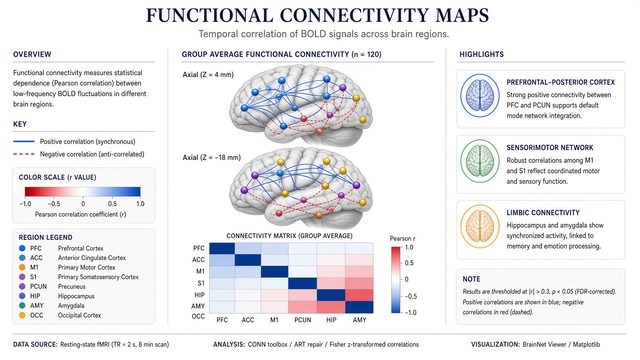
Imaging studies suggest that maltreated children in foster care may show differences in amygdala reactivity, prefrontal control and connectivity, as well as in stress hormone regulation. These differences are not permanent, and with stable care, many children's regulation improves. Sleep problems, trauma-related symptoms and difficulty trusting caregivers are common.
Education
Frequent school changes and missing records interrupt learning. Foster youth have lower graduation rates on average. Educational stability, tutoring, and advocacy improve outcomes.
Aging out
Young people leaving care at 18 or 21 without family support face risks of homelessness and unemployment. Extended foster care, mentoring and transition programs help.
What helps
- Placement stability: reduce moves, keep siblings together when possible, and support kinship care when safe
- Trauma-informed caregivers with training, ongoing support and respite
- Evidence-based programs: Attachment and Biobehavioral Catch-up, Parent-Child Interaction Therapy, trauma-focused cognitive behavioral therapy, and Multidimensional Treatment Foster Care
- Early developmental screening and services
- Mental health and medical care continuity
- Educational advocacy
- Connection to birth family when safe, and to culture and community
- Mentors and lasting adult relationships
- Voice for youth in decisions about their lives
For foster parents and caseworkers
Expect testing of boundaries, nightmares, regression and grief. Respond with calm and consistency. Build routines, validate feelings, and seek support. Take care of yourself to prevent burnout.
Sibling and kin connections
Keeping brothers and sisters together and placing children with relatives, when safe, protects attachments and cultural identity. When separation is unavoidable, regular visits are important.
Becoming a foster parent
People interested in fostering can contact their local child welfare agency for training and licensing. Strong preparation, access to therapists and a network of other foster families improve retention and outcomes for children.
Takeaway
Foster care can be a bridge to healing when it offers stability and warmth. Support for caregivers is support for children.
Further reading from authoritative sources
- National Institute of Mental Health (NIMH)
- National Institute of Neurological Disorders and Stroke (NINDS)
This article is educational and does not replace advice from a licensed clinician. See the medical disclaimer. Looking for specialist care? Browse the neurology clinic directory.